


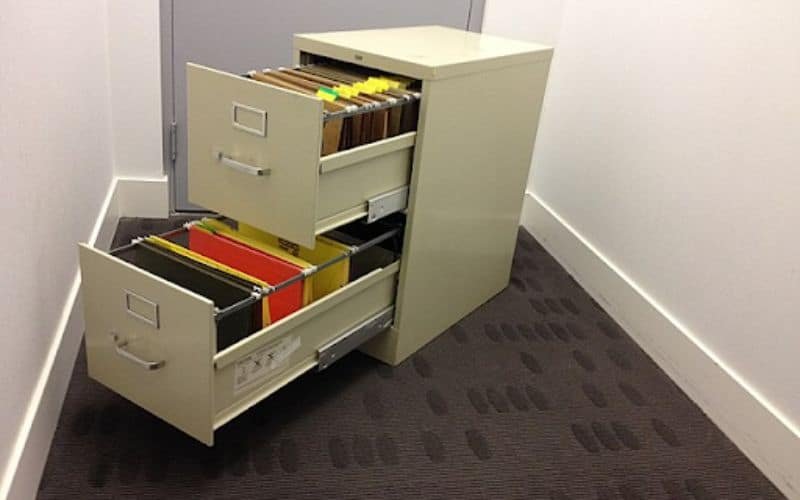
When a file cabinet lock stops working smoothly, the culprit is often a misaligned or jammed internal bar system. These locking rods are essential for securing your drawers, and when they shift out of place, you may find drawers stuck, unable to lock, or even left vulnerable to unauthorized access. Understanding file cabinet locking rod repair is crucial for restoring both security and functionality to your office storage.
This article provides a practical, step-by-step approach to diagnosing and fixing issues with the internal bar system. Whether you’re a facilities manager, office administrator, or a DIY enthusiast, you’ll find actionable advice to help you realign and repair the rods inside most standard filing cabinets. We’ll also highlight common causes of failure, preventative maintenance tips, and when it’s time to call a professional locksmith.
For a detailed look at every component inside your cabinet’s lock, you may want to review the file cabinet lock parts diagram to help identify the rods, cams, and connectors you’ll encounter during repair.
Understanding the Locking Rod System in Filing Cabinets
The locking rod system is a series of vertical or horizontal metal bars connected to the lock core. When you turn the key, these rods move to engage or disengage catches on each drawer, preventing or allowing them to open. Over time, regular use, accidental impacts, or even improper reassembly can cause these rods to slip out of alignment or become jammed.
Common symptoms of a faulty rod system include:
- Drawers that won’t lock or unlock even when the key turns
- One or more drawers stuck shut or left unsecured
- Loose or rattling sounds inside the cabinet when moving drawers
- Key turns with no resistance or fails to turn at all
Before starting any repairs, it’s important to confirm that the issue is with the rods and not the lock core itself. If the key is stuck or the core won’t turn, see this file cabinet lock core stuck repair guide for troubleshooting tips.
Diagnosing Issues with Internal Lock Bars
Proper diagnosis is the first step in any file cabinet locking rod repair process. Begin by unlocking the cabinet and opening all accessible drawers. Remove the top drawer if possible to gain a clear view of the internal mechanism. Most cabinets allow you to do this by fully extending the drawer and pressing release levers on the slides.
With the drawer removed, use a flashlight to inspect the vertical rods running alongside the drawer cavity. Check for:
- Bent or disconnected rods
- Loose retaining clips or brackets
- Obstructions such as paper clips, debris, or broken parts
- Signs of rust or excessive wear
If the rods appear intact but are not moving when the key is turned, the issue may be with the cam or actuator that connects the lock core to the rods. In this case, refer to a file cabinet lock reassembly guide for instructions on reconnecting these parts.
Step-by-Step Guide to Realigning Locking Rods
Once you’ve identified a misaligned or jammed rod, follow these steps to restore proper function:
- Remove Obstructions: Clear any debris or foreign objects from the rod channels. Use needle-nose pliers or a vacuum if necessary.
- Check for Bent Rods: If a rod is bent, gently straighten it using pliers. Severe bends may require replacement.
- Reconnect Dislodged Rods: If a rod has popped out of its bracket or cam, carefully guide it back into place. Most rods fit into a slot or are secured with a clip.
- Test the Lock Mechanism: With the drawer still removed, turn the key and observe the rods. They should move smoothly up and down (or side-to-side, depending on design) without sticking.
- Secure All Fasteners: Tighten any loose screws or clips holding the rods and brackets in place.
- Reinstall the Drawer: Slide the drawer back into the cabinet, ensuring it glides smoothly and doesn’t interfere with the rods.
- Final Test: Lock and unlock the cabinet several times, checking that all drawers are properly secured and released.
If you encounter persistent issues, such as a rod that repeatedly slips out of place, the underlying problem may be worn or broken hardware. In these cases, sourcing replacement parts or consulting a professional locksmith is recommended.
Preventing Future Locking Rod Problems
Regular maintenance can help avoid future repairs. Here are some practical tips:
- Lubricate the rods and lock mechanism annually with a graphite-based lubricant
- Inspect for loose fasteners and tighten as needed
- Keep the cabinet interior free of debris
- Train staff to avoid slamming drawers, which can jar the rods out of alignment
- Replace worn or damaged parts promptly
For those needing to replace the entire lock, these easy steps for filing cabinet lock replacement offer a helpful overview of the process.
When to Seek Professional Help
While many alignment issues can be resolved with basic tools and patience, there are situations where expert assistance is the best course of action. If you encounter any of the following, consider contacting a locksmith:
- Broken or missing locking rods
- Seized lock cores that won’t turn even after lubrication
- Complex multi-drawer or high-security cabinets
- Repeated failures after attempted repairs
Professional locksmiths have the specialized tools and replacement parts needed for more advanced repairs. They can also rekey or upgrade your cabinet locks for improved security. For persistent lock cylinder issues, see the file cabinet lock cylinder stuck fix resource for additional troubleshooting.
Additional Resources for Filing Cabinet Repairs
For those interested in a deeper understanding of cabinet lock mechanisms or planning a full lock replacement, these resources can be helpful:
- How to change file cabinet lock cylinder – step-by-step instructions for replacing the cylinder
- File cabinet lock parts diagram – visual identification of all internal components
- File cabinet lock reassembly guide – tips for putting your lock back together after repair
Frequently Asked Questions
What causes locking rods in file cabinets to become misaligned?
Locking rods can shift out of place due to frequent use, accidental impacts, loose fasteners, or improper reassembly after maintenance. Over time, wear and tear or debris inside the cabinet can also contribute to misalignment.
Can I repair a file cabinet locking rod without removing the drawer?
In some cases, minor adjustments can be made without removing the drawer, such as tightening visible screws or clearing obstructions. However, for a thorough inspection and realignment, removing the top drawer is usually necessary to access the internal bar system fully.
How do I know if the problem is with the locking rod or the lock core?
If the key turns but the drawers remain locked or unlocked, the issue is likely with the rods or their connections. If the key won’t turn or is stuck, the problem may be with the lock core itself. Refer to specialized guides for diagnosing and fixing core-related issues.