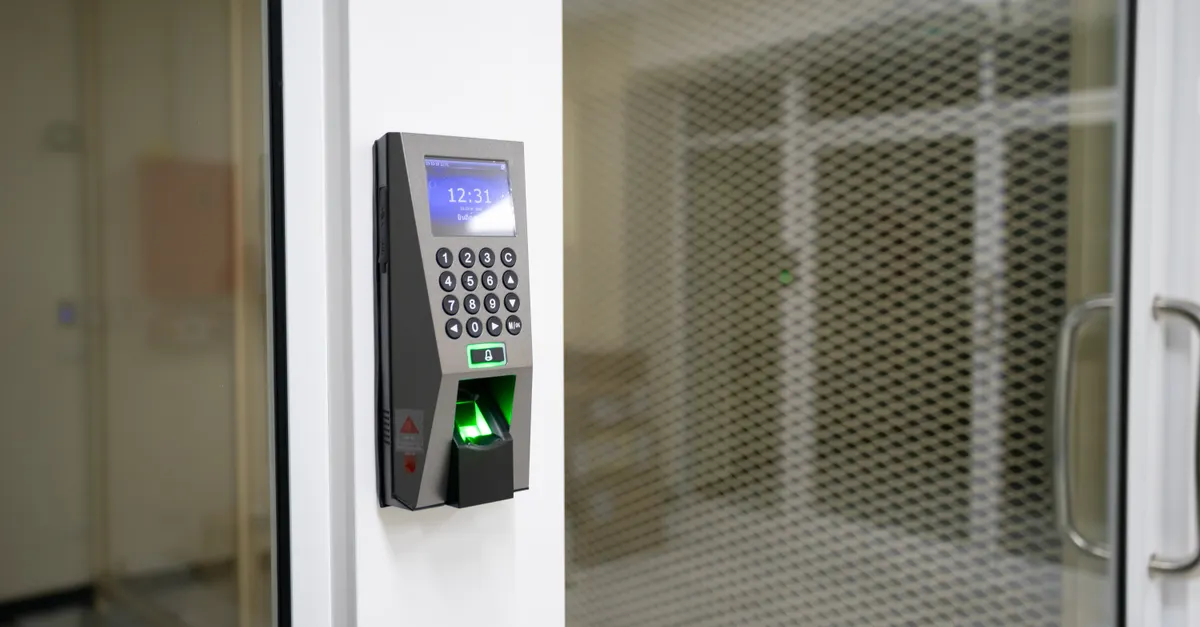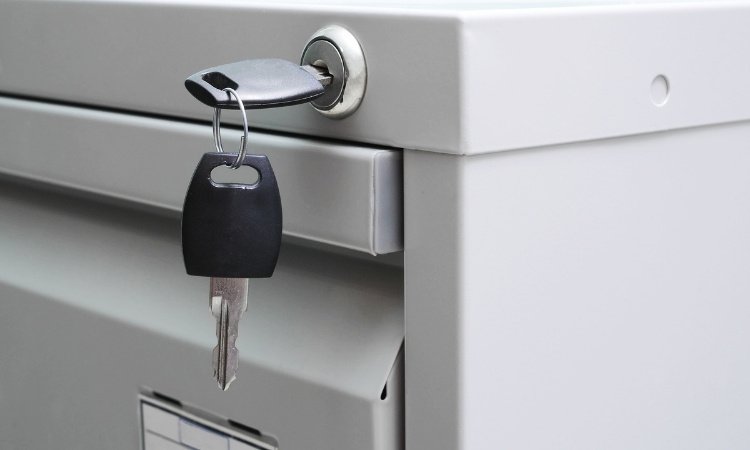
Modern file cabinets often use electronic locks powered by batteries, offering convenience and enhanced security for offices and homes. However, when these locks experience power issues, it can lead to frustrating lockouts or unreliable access. Understanding the most common problems and their solutions is key to restoring functionality quickly and preventing future disruptions. This article provides a comprehensive guide to diagnosing and resolving power-related concerns with battery-operated cabinet locks, ensuring your sensitive documents remain secure and accessible.
If you’re dealing with a stubborn lock or recurring issues, you’re not alone. Many users encounter similar challenges, from dead batteries to faulty connections. Before calling a locksmith, there are several troubleshooting steps you can take to address the problem yourself. For those interested in more advanced troubleshooting, the electronic file cabinet lock troubleshooting guide offers additional insights into electronic entry systems and code issues.
Understanding Battery-Operated File Cabinet Locks
Battery-powered cabinet locks are designed for ease of use and enhanced security. They typically use AA, AAA, or coin cell batteries to power a small electronic mechanism that controls access. These locks can be found in both residential and commercial settings, offering features such as keypad entry, RFID access, or biometric scanning. Despite their advantages, these devices are susceptible to power issues that can cause malfunctions or complete lockouts.
Common symptoms of power-related problems include:
- Keypad or indicator lights not responding
- Unusual beeping or warning signals
- Lock failing to engage or disengage
- Intermittent operation or delayed response
Recognizing these signs early helps prevent more serious complications and reduces the risk of being locked out of your files.
Diagnosing Power Problems in Electronic Cabinet Locks
When a battery-powered lock stops working, the first step is to determine whether the issue is related to the batteries, the contacts, or the internal electronics. Here’s how to systematically diagnose the problem:
- Check the Battery Life: Most locks will signal low battery with a blinking light or a series of beeps. If you notice these warnings, replace the batteries promptly.
- Inspect Battery Orientation: Ensure that batteries are installed in the correct direction. Misaligned batteries can prevent the lock from receiving power.
- Examine Battery Contacts: Corrosion or dirt on the contacts can interrupt the power flow. Remove the batteries and clean the contacts with a cotton swab and a small amount of rubbing alcohol.
- Test with New Batteries: Even if the current batteries are new, try a different set to rule out defective cells.
- Observe for Error Codes: Some locks display error codes or flash patterns when there’s a problem. Refer to the manufacturer’s manual for interpretation.
If the lock remains unresponsive after these checks, the issue may lie deeper within the electronics or wiring, and professional assistance could be necessary.
Step-by-Step Solutions for Power Failures
Once you’ve identified that the issue is power-related, follow these steps to restore your lock’s operation:
- Replace All Batteries: Always change all batteries at the same time to ensure consistent voltage and performance. Use high-quality, fresh batteries for best results.
- Clean the Battery Compartment: Remove any dust, debris, or corrosion from the compartment and contacts. This simple maintenance step can resolve many intermittent power issues.
- Reset the Lock: Some electronic locks require a reset after a battery change. Consult your lock’s manual or look for a reset button inside the battery compartment. For more detailed instructions, the file cabinet lock reset guide provides step-by-step help.
- Check for Loose Wires: If your lock has visible wiring, gently inspect for any loose or disconnected wires. Reconnect carefully if needed.
- Test the Lock: After completing these steps, test the lock several times to ensure it operates smoothly and consistently.
If the lock still does not function, there may be an internal fault or a damaged circuit board. In these cases, contacting a locksmith or the manufacturer is recommended.
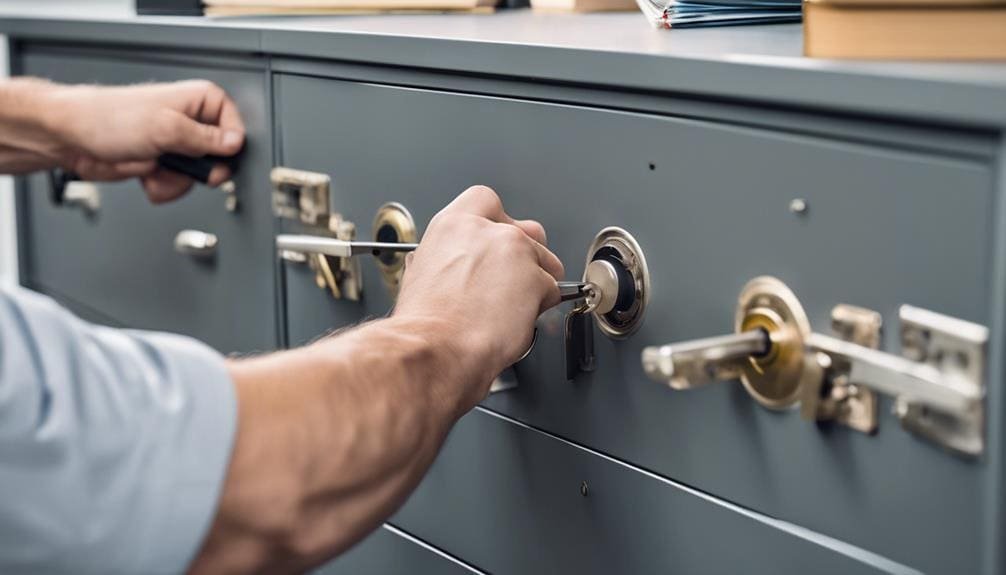
Preventing Future Power Issues in Electronic Locks
Proactive maintenance is the best way to avoid unexpected lockouts and ensure your battery-powered file cabinet lock remains reliable. Here are some practical tips:
- Schedule Regular Battery Changes: Replace batteries at least once a year, or sooner if your lock is used frequently.
- Use Quality Batteries: Opt for reputable brands and avoid mixing old and new batteries.
- Keep Spare Batteries Accessible: Store a set of replacement batteries in a secure, easily accessible location.
- Monitor Warning Signals: Pay attention to low battery alerts and address them promptly.
- Protect from Moisture: Keep the lock and battery compartment dry to prevent corrosion and electrical shorts.
Regular care not only extends the life of your lock but also minimizes the risk of being locked out at inconvenient times.
When Professional Help Is Needed
While most power-related problems can be resolved with basic troubleshooting, some situations require expert intervention. If your lock remains unresponsive after replacing batteries and cleaning contacts, or if you suspect internal damage, it’s wise to consult a locksmith. For more complex repairs, the digital file cabinet lock repair resource covers advanced fixes for electronic entry systems.
In cases where the lock mechanism is jammed or the keypad is malfunctioning, a professional can safely open the cabinet without causing damage. They can also recommend upgrades or replacements if your current lock is outdated or unreliable.
If you’re considering replacing your lock, the process is straightforward. For a step-by-step walkthrough, see how to replace a file cabinet lock in five easy steps.
Additional Resources and Related Guides
For those who want to learn more about maintaining and troubleshooting electronic cabinet locks, several resources are available:
- reset file cabinet combination lock – Simple steps for updating your lock’s combination.
- file cabinet combination lock repair – Guidance on fixing dial and gear systems.
Staying informed about your lock’s features and maintenance requirements will help you avoid common pitfalls and keep your documents secure.
Frequently Asked Questions
How often should I replace the batteries in my electronic file cabinet lock?
It’s best to change the batteries at least once a year, or more frequently if the lock is used daily. Always replace all batteries at the same time and use high-quality brands for optimal performance.
What should I do if my lock stops working after a battery change?
If your lock remains unresponsive after installing new batteries, check the orientation and ensure the contacts are clean. Some locks require a reset after a battery change—refer to your manual or look for a reset button. If problems persist, professional assistance may be needed.
Can I open a battery-powered file cabinet lock if the batteries are dead?
Many electronic locks have a backup key or an external power port for emergency access. Check your lock’s documentation for these features. If no backup is available, a locksmith can help open the cabinet without damaging the lock or the cabinet itself.