Keeping your office documents secure is essential, and a reliable lock on your desk file cabinet plays a big part in that. Over time, locks can become stiff, keys may break, or mechanisms might stop working altogether. Knowing how to handle desk file cabinet lock repair can help you restore security and functionality to your workspace without unnecessary stress or expense.
This guide covers practical steps to diagnose and fix common lock problems, when to consider a replacement, and how to maintain your cabinet’s locking system. You’ll also find tips for choosing the right professional help if needed, along with links to related topics such as office storage cabinet lock repair for broader storage solutions.

Understanding Common File Cabinet Lock Issues
Before starting any repairs, it’s important to identify the specific problem with your cabinet lock. Some of the most frequent issues include:
- Key won’t turn: This can be due to dirt, debris, or a misaligned mechanism.
- Lock is jammed: Internal components may be stuck or worn out.
- Broken or lost key: Sometimes the key snaps off inside the lock, or goes missing entirely.
- Loose lock cylinder: Over time, the lock can become wobbly or detach from the cabinet.
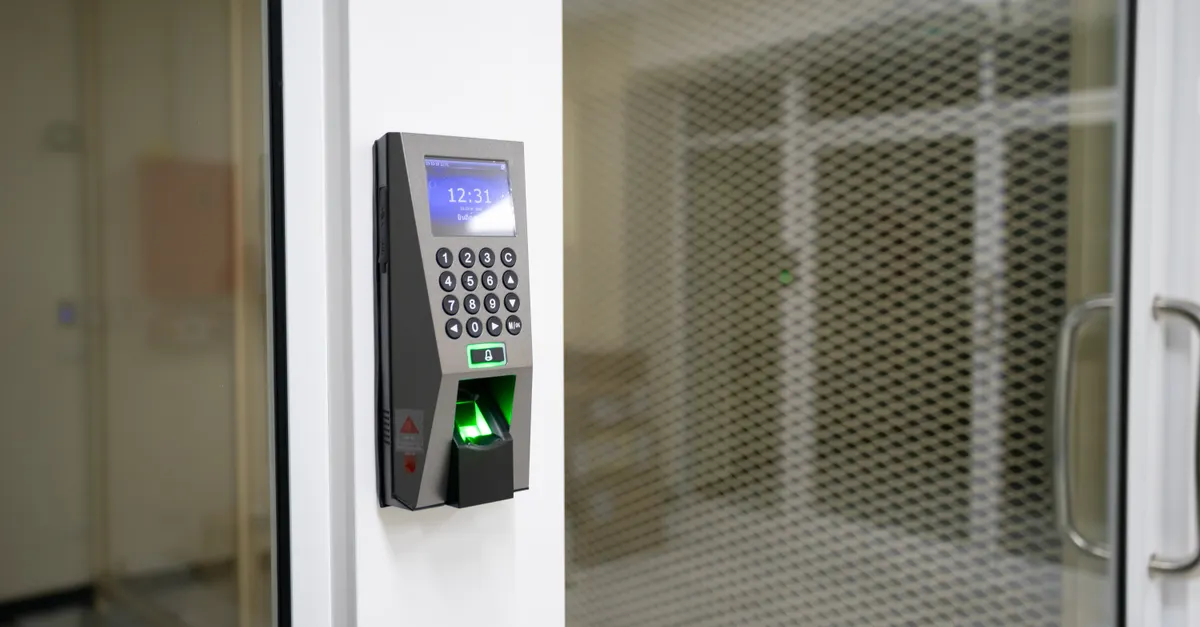
Identifying the exact issue helps you decide whether a simple fix is possible or if a full replacement is needed. For more advanced or electronic locking systems, you may want to explore specialized guides like smart file cabinet lock repair or keypad file cabinet lock repair.
Step-by-Step: How to Repair a Stuck or Malfunctioning Lock
Many desk file cabinet lock repair tasks can be handled with basic tools and a bit of patience. Here’s a straightforward process for addressing the most common problems:
1. Remove Dirt and Lubricate the Lock
Dust and debris often cause locks to stick. Use a can of compressed air to blow out any particles from the keyhole. Next, apply a graphite-based lubricant (avoid oil-based products, which can attract more dirt) and gently work the key in and out several times.
2. Extract a Broken Key
If a key has snapped off inside the lock, try using needle-nose pliers or a broken key extractor tool. Insert the tool into the keyway and carefully pull the broken piece out. Avoid forcing the tool, as this can damage the lock further.

3. Tighten or Replace the Lock Cylinder
If the lock feels loose, open the cabinet and locate the retaining nut or clip on the inside. Tighten it with a wrench or screwdriver. If the cylinder is damaged, you may need to remove it entirely and install a new one. Replacement lock kits are widely available and typically include instructions for installation.
4. Re-Keying or Replacing the Lock
When keys are lost or security is compromised, re-keying or replacing the lock is often the best solution. Some locks can be re-keyed using a kit, but in many cases, swapping out the entire mechanism is quicker and more secure. For guidance on more modern or electronic systems, check out resources on battery powered file cabinet lock fix or file cabinet lock sensor issues.
When to Call a Professional Locksmith
While many repairs can be handled with DIY methods, certain situations call for expert help. If you encounter any of the following, it’s best to contact a professional:
- The lock is severely damaged or rusted.
- You’re unable to remove a broken key or fix a jammed mechanism.
- The cabinet contains sensitive or valuable documents.
- You need to upgrade to a more secure or electronic locking system.
Professional locksmiths can quickly diagnose the problem, provide replacement parts, and ensure your cabinet is secure. For a comprehensive overview of lock replacement options, see this detailed guide to file cabinet lock replacement.
Preventative Maintenance and Security Tips
Regular maintenance can extend the life of your file cabinet lock and prevent future issues. Here are some practical tips:
- Clean the lock mechanism every few months with compressed air.
- Use a graphite-based lubricant to keep the keyway smooth.
- Check for loose screws or nuts and tighten as needed.
- Store spare keys in a secure location away from the cabinet.
- Consider upgrading to a modern locking system for enhanced security.
For those managing multiple cabinets or advanced locking technology, exploring topics like smart file cabinet lock troubleshooting or proximity lock sensor repairs can be helpful.
Choosing the Right Replacement Lock
If your current lock is beyond repair, selecting a suitable replacement is crucial. Consider the following factors:
- Compatibility: Ensure the new lock matches your cabinet’s dimensions and mounting style.
- Security level: Choose between standard cam locks, tubular locks, or electronic options depending on your needs.
- Ease of installation: Some locks are designed for quick DIY installation, while others may require professional assistance.
- Key management: Decide if you want a keyed-alike system (one key for multiple cabinets) or unique keys for each lock.
Always follow the manufacturer’s instructions when installing a new lock to ensure proper fit and function.
Frequently Asked Questions
How do I know if my file cabinet lock needs to be replaced?
If the lock is consistently jamming, the key no longer works smoothly, or the mechanism feels loose even after tightening, it’s likely time for a replacement. Visible rust or damage is also a clear sign that a new lock is needed.
Can I repair a file cabinet lock myself, or should I hire a locksmith?
Many minor issues, such as cleaning or lubricating the lock and tightening loose parts, can be handled on your own. However, if the lock is broken, the key is stuck, or you need to re-key or upgrade the system, a professional locksmith can ensure the job is done correctly and securely.
What type of lubricant is best for file cabinet locks?
A graphite-based lubricant is recommended for most file cabinet locks. It reduces friction without attracting dust and debris, which can cause further issues. Avoid oil-based products, as they can gum up the mechanism over time.
Are there modern alternatives to traditional file cabinet locks?
Yes, there are electronic, keypad, and smart lock options available for file cabinets. These provide enhanced security and convenience, especially in offices with sensitive documents. For more details, see resources on smart file cabinet lock repair and related topics.
Conclusion
Addressing desk file cabinet lock repair is a practical way to maintain the security and usability of your office storage. By understanding common issues, following step-by-step repair methods, and knowing when to seek professional help, you can keep your documents safe and your workspace organized. Regular maintenance and timely upgrades will ensure your cabinet remains a reliable part of your office for years to come.