Maintaining the integrity of your office or home storage is essential, especially when it comes to sensitive documents and valuable items. Over time, even the most secure file cabinet locks can experience wear, damage, or attempted tampering. Addressing these issues promptly is crucial to prevent unauthorized access and to keep your confidential information safe. This guide explores practical steps and expert advice for tamper proof file cabinet lock repair, helping you restore optimal protection and peace of mind.
Whether you’re dealing with a stuck lock, evidence of forced entry, or simply want to upgrade your cabinet’s security, understanding the repair process is key. For those interested in broader restoration techniques, you may also find value in learning how to restore old file cabinet lock mechanisms for vintage or specialty cabinets.
Understanding Tamper-Resistant File Cabinet Locks
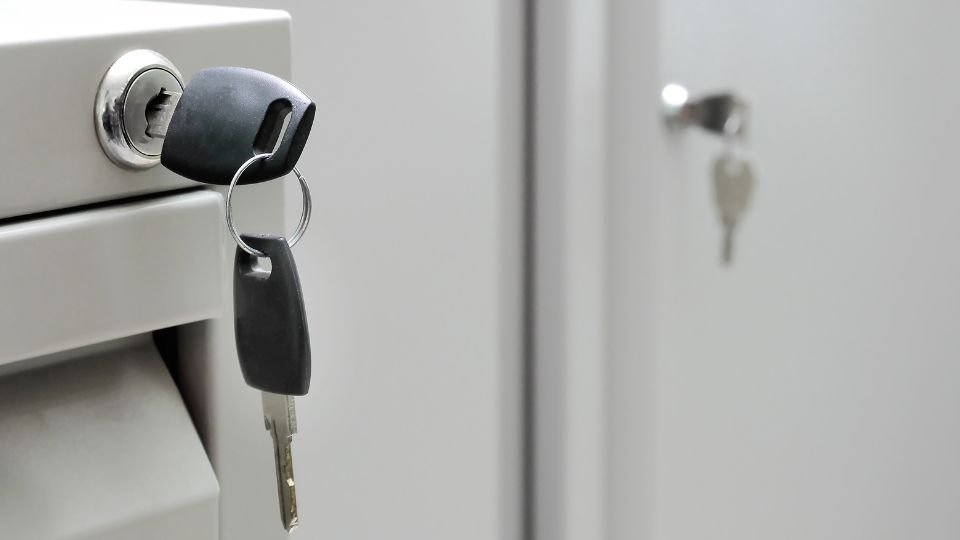
Tamper-resistant locks are engineered to deter forced entry and manipulation. They typically feature reinforced housings, anti-drill plates, and complex keyways that make picking or bypassing much more difficult than standard locks. These security features are especially important in environments where confidential files, legal documents, or proprietary information are stored.
Common signs that your tamper-resistant lock may need attention include:
- Difficulty turning the key or lock cylinder
- Visible scratches, dents, or tool marks near the lock
- Loose or misaligned lock components
- Keys that no longer fit or operate smoothly
Recognizing these issues early can help you avoid a complete lockout or more severe security breaches.
Common Causes of Tamper-Proof Lock Failure
Even high-security locks are not immune to problems. Some of the most frequent causes of malfunction include:
- Physical tampering: Attempts to force open the lock can damage internal mechanisms or deform the housing.
- Wear and tear: Daily use, especially in busy offices, can gradually wear down key pins, springs, and other moving parts.
- Environmental factors: Exposure to dust, moisture, or temperature changes can cause corrosion or blockages inside the lock.
- Poor installation: If the lock was not installed correctly, it may be more vulnerable to both tampering and general failure.
Addressing these root causes is essential for effective tamper proof file cabinet lock repair and for preventing future issues.
Step-by-Step Guide to Repairing Tamper-Resistant Cabinet Locks
When it comes to restoring the security of your file cabinet, a systematic approach is best. Here’s how to address common problems and restore your lock’s effectiveness:
1. Assess the Damage
Begin by closely examining the lock and surrounding area for signs of tampering or wear. Look for bent metal, missing screws, or any unusual resistance when turning the key. If you notice extensive damage, replacement may be safer than repair.
2. Remove the Lock Cylinder
Most file cabinet locks can be accessed by removing a retaining clip or screw from the inside of the drawer. Carefully extract the cylinder, taking care not to damage the surrounding hardware. If you’re unsure about this step, you can reference detailed instructions in resources like this guide to repairing a broken filing cabinet lock.
3. Clean and Inspect Internal Components
Use compressed air or a soft brush to remove dust and debris from the lock mechanism. Inspect the pins, springs, and keyway for signs of wear or damage. Lubricate moving parts with a graphite-based lubricant—avoid oil-based products, as they can attract more dirt over time.
4. Replace Damaged Parts
If you discover broken pins, worn springs, or a deformed cylinder, consider replacing these components. Many manufacturers offer repair kits for their tamper-resistant locks. If parts are not available, a full lock replacement may be necessary to restore security.
5. Reinstall and Test
Once repairs are complete, reinstall the lock cylinder and secure all fasteners. Test the lock with the original key to ensure smooth operation. If the lock still feels loose or unreliable, consult a professional locksmith for further evaluation.
When to Call a Professional Locksmith
While many minor issues can be handled with basic tools and patience, some situations call for expert assistance. Consider contacting a locksmith if:
- The lock has been severely damaged by forced entry
- You’ve lost all copies of the key
- The lock is part of an integrated security system
- You’re unsure about the repair process or lack the necessary tools
Professional locksmiths have specialized equipment and experience with tamper proof file cabinet lock repair, ensuring that your cabinet is restored to its highest level of security.
Upgrading and Maintaining Your File Cabinet Security
Restoring a damaged lock is only part of the equation. To prevent future issues and maintain a high level of protection, consider these additional steps:
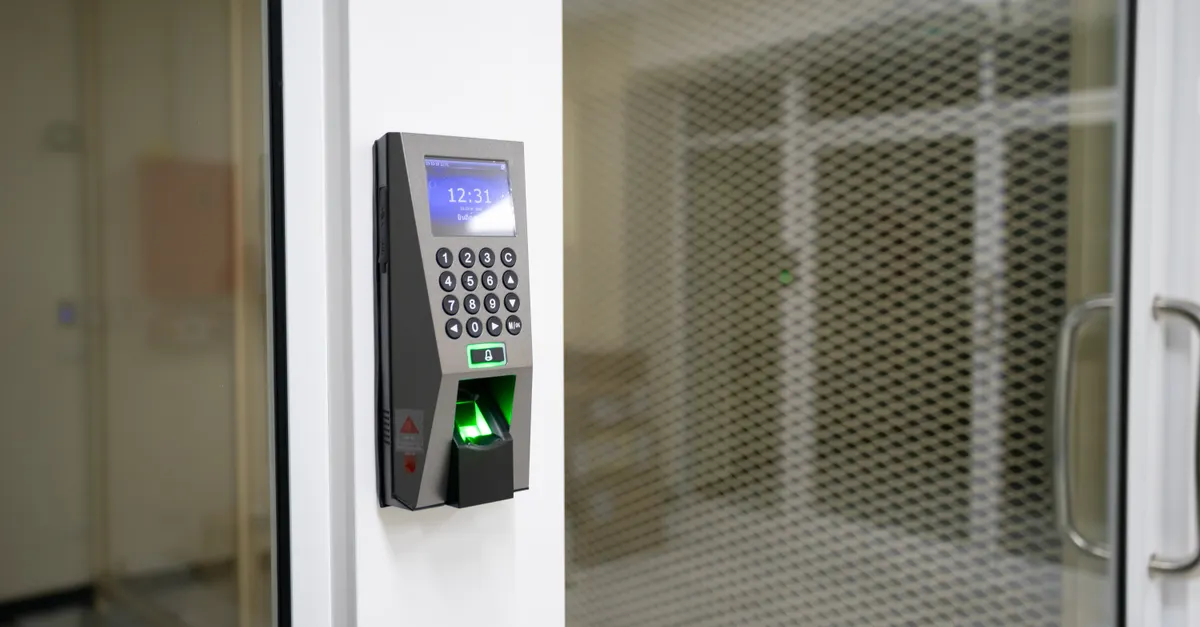
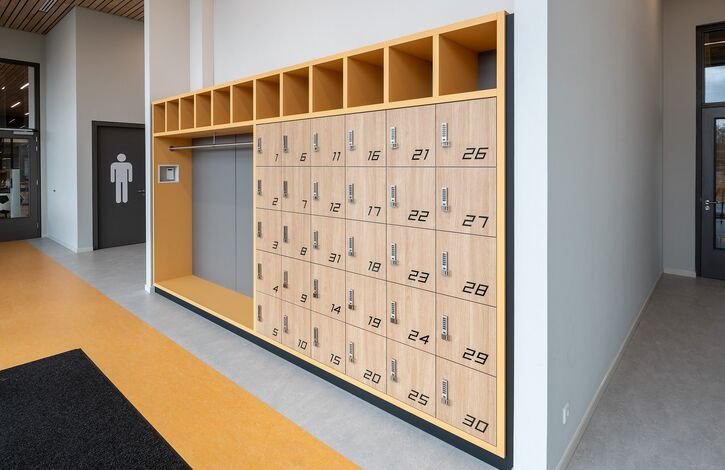
- Upgrade to advanced locking systems: Modern file cabinets offer electronic, biometric, or combination locks that provide enhanced resistance to tampering.
- Schedule regular inspections: Periodically check all locks for signs of wear, misalignment, or attempted entry.
- Keep spare keys secure: Store backup keys in a safe location, and avoid labeling them in a way that reveals their purpose.
- Educate staff or family: Make sure everyone who uses the cabinet understands proper locking procedures and the importance of reporting any issues immediately.
If you’re managing multiple cabinets or integrated systems, you may benefit from specialized services such as file cabinet security system repair for comprehensive protection.
Related Restoration and Repair Resources
For those dealing with unique or older cabinets, additional resources can help you tackle specific challenges. Learn about the best way to fix old file cabinet lock mechanisms, or explore tips for desk file cabinet lock repair and home office file cabinet lock repair to address a variety of storage solutions.
Frequently Asked Questions
How can I tell if my file cabinet lock has been tampered with?
Look for visible signs such as scratches, dents, or tool marks around the lock. Difficulty turning the key, a loose cylinder, or a lock that suddenly stops working can also indicate tampering. If you suspect unauthorized access, it’s best to inspect the lock thoroughly and consider professional assessment.
Is it better to repair or replace a tamper-resistant lock?
Minor issues like worn springs or debris can often be repaired. However, if the lock has suffered significant damage or if replacement parts are unavailable, installing a new high-security lock is usually the safest option to maintain protection.
Can I upgrade my file cabinet to a more secure lock?
Yes, many cabinets can be retrofitted with advanced locking mechanisms, including electronic or biometric options. Consult with a locksmith to determine compatibility and to ensure the upgrade meets your security needs.
What should I do if I lose the only key to my tamper-resistant cabinet?
If you’ve lost all keys, a locksmith can help you open the cabinet and either rekey or replace the lock. Avoid attempting to force the lock open, as this can cause further damage and compromise security.
Restoring the security of your file cabinet is an investment in the safety of your documents and valuables. By following best practices for tamper proof file cabinet lock repair and staying proactive with maintenance, you can ensure long-term protection and peace of mind.