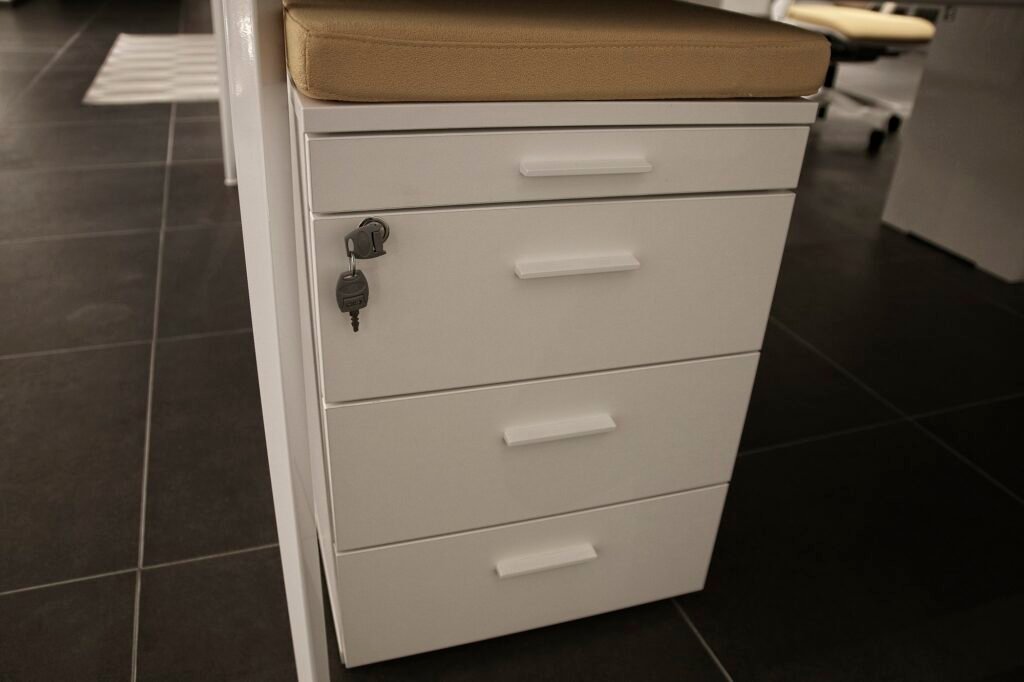
Keeping your office or home storage secure and functional depends on the condition of your file cabinet locks. Over time, these locks can wear out, keys may break, or mechanisms might jam, making access difficult or compromising security. For anyone responsible for maintaining file cabinets, having the right file cabinet lock repair kit guide can save time, reduce frustration, and help avoid costly locksmith visits.
This article provides a comprehensive overview of essential tools and supplies for lock maintenance, practical tips for DIY repairs, and advice on when to seek professional help. Whether you manage a busy office or want to keep your home files protected, understanding what to include in your repair kit ensures you’re always prepared for common lock issues.
For those dealing with vintage or specialty units, you might also find value in exploring file cabinet antique lock repair services, which offer specialized care for older hardware.
Why a Well-Stocked Lock Repair Kit Matters
File cabinets are used daily in offices, schools, and homes, making their locks prone to wear and accidental damage. A well-prepared kit allows you to handle minor repairs quickly, restore access, and maintain security without waiting for outside help. Having the right tools on hand can also extend the lifespan of your cabinets and reduce the risk of forced entry or accidental lockouts.
Essential Tools for File Cabinet Lock Maintenance
Building a reliable repair kit starts with understanding the most common problems: stuck locks, broken keys, loose cylinders, and worn mechanisms. Here are the must-have items for any file cabinet lock repair kit guide:
- Replacement Lock Cores: Swapping out a damaged core is often faster than repairing a worn mechanism.
- Key Extractor Tools: Essential for removing broken key fragments without damaging the lock.
- Lubricant (Graphite or Silicone): Keeps lock mechanisms moving smoothly and prevents jams.
- Mini Screwdriver Set: Most cabinet locks are held in place with small screws that require precision tools.
- Retaining Clip Remover: Helps safely detach and reattach lock cylinders.
- Spare Keys and Blanks: Useful for quick replacements or when rekeying is needed.
- Lock Cylinder Removal Tool: Simplifies the process of extracting the entire lock for repair or replacement.
- Pinning Kit: For those comfortable with rekeying, a basic pinning kit allows you to match locks to existing keys.
- Cleaning Brushes: Removes dust and debris from internal lock components.

Choosing the Right Replacement Parts
Not all file cabinet locks are created equal. Before purchasing replacement parts, check the brand, model, and lock type (cam, plunger, or tubular). Many kits include universal cores and keys, but some cabinets—especially older or high-security models—require specific components. For high-security or tamper-resistant cabinets, consider reading about tamper proof file cabinet lock repair to ensure you’re using compatible parts.
When in doubt, bring the old lock or a detailed photo to your hardware supplier to match sizes and keyways accurately. This step prevents wasted time and ensures a smooth repair process.
Step-by-Step: Basic File Cabinet Lock Repairs
With your kit ready, most basic repairs follow a straightforward process:
- Assess the Problem: Identify whether the issue is a jammed lock, broken key, or loose cylinder.
- Remove the Lock: Use your screwdriver and retaining clip remover to detach the lock from the cabinet.
- Clean and Lubricate: Use brushes and lubricant to clear debris and restore smooth movement.
- Replace or Repair: Install a new core or use the pinning kit to rekey if needed. Extract broken keys with the appropriate tool.
- Reassemble and Test: Secure the lock back in place and test with the key to ensure proper function.
Always keep spare keys in a secure location and label them clearly to avoid confusion during emergencies.

Advanced Tips for File Cabinet Lock Maintenance
For those looking to go beyond basic repairs, consider these advanced strategies:
- Upgrade to Modern Locks: If your cabinets are frequently accessed or store sensitive documents, upgrading to electronic or high-security locks may be worthwhile. Explore file cabinet lock upgrade options for more details.
- Restore Vintage Hardware: Antique cabinets often require special care. Learn how to restore old file cabinet lock mechanisms to preserve both function and appearance.
- Preventative Maintenance: Regularly lubricate and inspect locks to catch issues early. Schedule annual checks for high-use cabinets.
For persistent or complex problems, such as lost keys with no spares or locks that won’t open despite all efforts, professional help may be necessary. In such cases, consider contacting a locksmith or consulting community advice, such as the tips shared in this discussion on opening a locked file cabinet.
When to Call a Locksmith
While a well-equipped kit covers most routine repairs, certain situations call for expert intervention:
- Locks are severely damaged or rusted beyond repair
- Security requirements demand professional rekeying or installation
- Keys are lost and there is no access to spares
- Antique or specialty locks with unique mechanisms
Attempting advanced repairs without the right experience can lead to further damage or void warranties. If in doubt, don’t hesitate to reach out to a locksmith for safe, reliable service.
Frequently Asked Questions
What should I do if my file cabinet key breaks off inside the lock?
Use a key extractor tool from your repair kit to gently remove the broken piece. Avoid using sharp objects that could damage the lock. If extraction fails, a locksmith can assist without harming the cabinet.
How often should I maintain my file cabinet locks?
For offices with frequent use, inspect and lubricate locks every six months. Home cabinets may require annual checks. Regular maintenance prevents jams and extends the life of your locks.
Can I upgrade my existing file cabinet lock to a more secure model?
Yes, many modern locks are designed to retrofit standard cabinets. Review available upgrade options to find a solution that fits your cabinet and security needs.
Are there special considerations for repairing antique file cabinet locks?
Yes, older locks often use unique mechanisms and may require custom parts. Consult resources on antique lock repair or seek out a locksmith with experience in vintage hardware.
Conclusion
Having a comprehensive file cabinet lock repair kit guide ensures you’re ready to handle most lock issues quickly and efficiently. By stocking up on essential tools, learning basic repair steps, and knowing when to seek professional help, you can keep your storage secure and functional for years to come. Regular maintenance, the right supplies, and a proactive approach make all the difference in protecting your important documents and valuables.