When a file cabinet lock stops working as expected, it can disrupt your workflow and compromise the security of important documents. Whether the key is stuck, the lock won’t turn, or the cabinet simply won’t open, a systematic approach can help you quickly identify and resolve the issue. This file cabinet lock troubleshooting checklist is designed to guide you step by step through common problems and solutions, making it easier to restore access and security to your storage.
Before diving into repairs, it’s helpful to understand the basics of how these locking mechanisms work and what typically causes them to malfunction. Many issues can be addressed with simple tools and a bit of patience, while others may require professional assistance or replacement parts. If you’re dealing with an older or vintage unit, you may also want to review specialized advice on vintage file cabinet lock fix for unique challenges.
Understanding Common File Cabinet Lock Issues
File cabinet locks are relatively simple devices, but several factors can cause them to fail. The most frequent problems include:
- Key won’t turn – Often caused by debris, misalignment, or worn components.
- Key stuck in lock – May result from bent keys, internal damage, or lubrication issues.
- Lock cylinder spins – Indicates a loose or broken retaining clip or cam.
- Drawer won’t open – Sometimes due to jammed mechanisms or misaligned lock bars.
- Lock feels loose – Usually a sign of wear or missing hardware.
For a more in-depth look at chronic wear, see the resource on file cabinet lock wear and tear repair, which covers age-related failures and their remedies.
Step-By-Step File Cabinet Lock Troubleshooting Checklist
Use this practical checklist to diagnose and address the most common problems with your cabinet’s locking system. Each step is designed to help you isolate the issue and determine the best course of action.
1. Inspect the Key and Keyway
- Examine the key for bends, cracks, or excessive wear. Try a spare key if available.
- Look inside the keyway for visible debris or obstructions. Use a can of compressed air to clear dust or dirt.
- If the key is stuck, gently wiggle it while applying light pressure. Avoid forcing it, as this can break the key or damage the lock.
If you suspect the key itself is the problem, replacing it or having a locksmith cut a new one may resolve the issue.
2. Check for Visible Damage or Wear
- Look for signs of rust, corrosion, or physical damage on the lock body and surrounding hardware.
- Test the lock for looseness. If it moves within the cabinet, the retaining nut or clip may need tightening or replacement.
- Inspect the locking bar or cam at the back of the lock (accessible from inside the cabinet) for alignment and secure attachment.
For guidance on necessary tools, refer to the article on file cabinet lock repair tools, which outlines what you’ll need for most common repairs.
3. Lubricate the Lock Mechanism
- Apply a graphite-based lubricant or a lock-specific spray to the keyway and moving parts.
- Insert and remove the key several times to distribute the lubricant evenly.
- Avoid using oil-based products, as they can attract dust and gum up the mechanism over time.
Lubrication can often resolve sticking or stiffness, especially in older locks. If the problem persists, further disassembly may be required.
4. Test the Locking Bar and Drawer Alignment
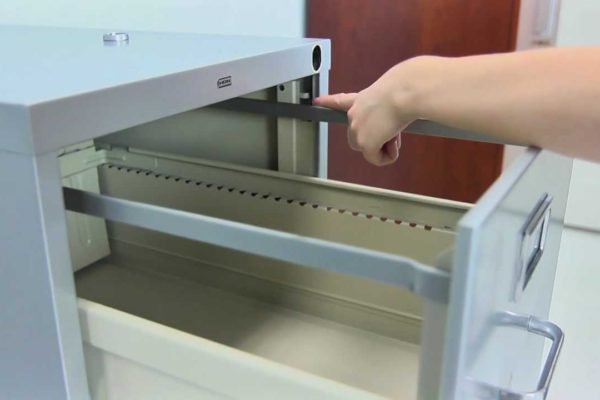
- Open the cabinet and observe the locking bar (if accessible) as you turn the key. It should move smoothly into and out of the locked position.
- Check that drawers are properly aligned and not binding against the frame, which can prevent the lock from disengaging.
- If the bar is bent or misaligned, carefully straighten it or adjust its mounting hardware.
Alignment issues are especially common after moving or jostling the cabinet. Addressing these can often restore normal function.

5. Evaluate for Internal Mechanism Failure
- If the lock cylinder spins freely or the key turns without engaging, the cam or retaining clip may be broken or disconnected.
- Remove the lock (usually by unscrewing a nut or releasing a clip from inside the cabinet) and inspect the internal parts.
- Replace damaged components as needed, or consider a full lock replacement if parts are unavailable.
For classic or antique units, see file cabinet lock restoration tips for advice on sourcing and preserving original hardware.
When to Call a Professional Locksmith
Some situations require expert intervention, such as broken keys inside the lock, lost keys with no spares, or severe internal damage. If you’ve worked through this checklist and the lock remains nonfunctional, contacting a locksmith is the safest and most efficient solution. Many professionals offer emergency services and can help with both modern and vintage cabinets.
For a real-world example of a complex mechanism issue, see this discussion on diagnosing a faulty filing cabinet lock, which outlines common failure points and repair options.
Preventive Maintenance and Long-Term Care
Regular maintenance can extend the life of your cabinet’s locking system and reduce the likelihood of future problems. Here are a few tips:
- Lubricate the lock mechanism every 6–12 months.
- Keep the keyway clean and free of debris.
- Check for loose hardware and tighten as needed.
- Address minor issues promptly to prevent escalation.
For a comprehensive list of supplies, review the tools needed for file cabinet lock repair to ensure you’re prepared for routine upkeep and minor fixes.
FAQ: File Cabinet Lock Problems and Solutions
What should I do if my file cabinet key is stuck and won’t turn?
First, check the key for damage and try a spare if available. Clean the keyway with compressed air and apply a graphite-based lubricant. Gently wiggle the key while turning. If it remains stuck, avoid forcing it and consider contacting a locksmith to prevent breakage.
How can I tell if the lock mechanism is broken or just misaligned?
If the key turns but the drawer won’t open, inspect the locking bar and drawer alignment. A spinning cylinder or a key that turns freely without resistance often indicates a broken cam or retaining clip, which may require disassembly and replacement.
Can I repair a file cabinet lock myself, or do I need a professional?
Many minor issues, such as lubrication, cleaning, or tightening loose hardware, can be handled with basic tools. For internal mechanism failures, broken keys, or lost keys, it’s best to consult a locksmith to avoid further damage.
What tools are recommended for basic file cabinet lock repairs?
Common tools include screwdrivers, pliers, a can of compressed air, and graphite lubricant. For more involved repairs, you may need lock picks, replacement cams, or retaining clips. See the file cabinet lock repair tools guide for a complete list.
How often should I maintain my file cabinet lock?
Perform basic maintenance, such as cleaning and lubrication, every 6–12 months. Address any signs of wear or difficulty immediately to prevent lockouts or damage.
By following this file cabinet lock troubleshooting checklist, you can quickly identify and resolve most common locking problems, keeping your documents secure and accessible. For persistent or complex issues, don’t hesitate to reach out to a professional for assistance.