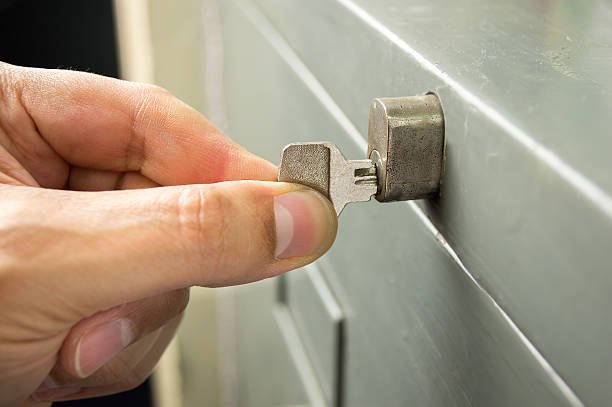
Over time, even the most reliable file cabinet locks can develop problems due to regular use, environmental factors, and simple aging. Recognizing and addressing these issues promptly is essential for maintaining security and smooth operation in your home or office. This guide explores practical solutions for file cabinet lock wear and tear repair, covering common symptoms, step-by-step fixes, and essential maintenance tips to extend the life of your locking hardware.
Whether you’re dealing with a sticky key, a jammed mechanism, or a lock that just won’t turn, understanding the causes and remedies for age-related lock issues can save you time and frustration. For those interested in a deeper dive into the tools and supplies required for these repairs, the file cabinet lock repair kit guide offers a comprehensive overview of must-have maintenance items.
Recognizing Signs of Lock Aging and Deterioration
Before starting any file cabinet lock wear and tear repair project, it’s important to identify the specific symptoms of aging hardware. Some of the most common signs include:
- Keys that stick, bend, or require excessive force to turn
- Difficulty inserting or removing the key
- Loose or wobbly lock cylinders
- Cabinet drawers that won’t lock or unlock smoothly
- Visible rust, corrosion, or buildup on the lock face
These issues can result from years of use, exposure to moisture, dust accumulation, or lack of regular maintenance. Pinpointing the exact cause helps you choose the right repair strategy and avoid unnecessary replacements.
Essential Tools and Supplies for Repairing File Cabinet Locks
Having the right tools on hand is crucial for successful lock maintenance. For a detailed checklist, the tools needed for file cabinet lock repair article outlines everything you’ll need. At a minimum, consider gathering:
- Graphite or silicone-based lubricant (avoid oil-based products)
- Small screwdrivers (flathead and Phillips)
- Needle-nose pliers
- Replacement lock cylinders or pins (if needed)
- Soft cloths and cleaning brushes
These basic items will help you address most common wear issues, from cleaning and lubricating to replacing worn components.
Step-by-Step Solutions for Common Lock Problems
Cleaning and Lubricating the Lock Mechanism
Dust, debris, and old lubricant can cause keys to stick or locks to jam. To address this:
- Remove the lock cylinder if possible, or open the cabinet to access the rear of the lock.
- Use a soft brush or compressed air to clear out dust and debris.
- Apply a small amount of graphite or silicone lubricant into the keyway and mechanism.
- Insert and turn the key several times to distribute the lubricant.
- Wipe away any excess to prevent buildup.
Regular cleaning and lubrication can significantly extend the lifespan of your lock and improve performance.
Tightening or Replacing Loose Lock Components
Over years of use, screws and fasteners may loosen, causing the lock to wobble or misalign. To fix this:
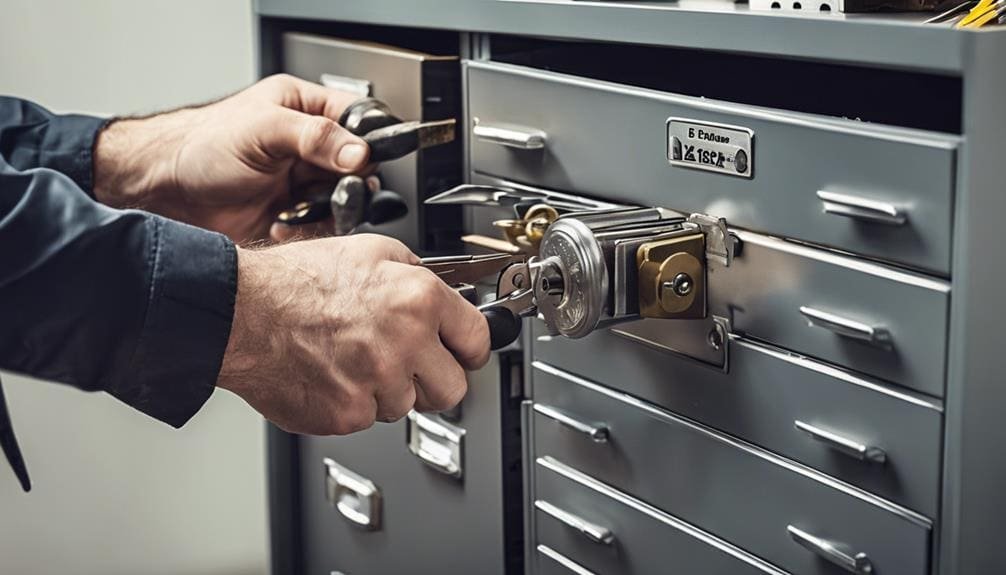
- Open the cabinet and locate the mounting screws holding the lock in place.
- Use the appropriate screwdriver to tighten all visible screws.
- If the lock remains loose, inspect for stripped threads or damaged parts. Replace as necessary.
For older or vintage cabinets, sourcing compatible parts can be a challenge. The vintage file cabinet lock fix resource provides tips for finding suitable replacements and restoring older hardware.
Addressing Key and Cylinder Wear
Keys and lock cylinders can wear down with frequent use, leading to poor fit or unreliable operation. If cleaning and lubrication don’t resolve the issue, consider:
- Having a new key cut from the original code, if available
- Replacing the cylinder with a compatible model
- Consulting a locksmith for rekeying or advanced repairs
For step-by-step replacement instructions, the how to replace file cabinet locks guide offers detailed advice for both DIYers and professionals.
Preventive Maintenance for Long-Lasting Lock Performance
Once you’ve completed your file cabinet lock wear and tear repair, regular maintenance is key to preventing future problems. Here are some best practices:
- Clean and lubricate locks every 6–12 months
- Inspect for rust or corrosion, especially in humid environments
- Avoid using excessive force on keys or lock handles
- Replace worn keys before they break or damage the cylinder
- Keep a spare key in a secure location
For those interested in preserving classic or antique hardware, the file cabinet lock restoration tips article provides guidance on maintaining both function and appearance over time.
When to Call a Professional Locksmith
While many lock issues can be resolved with basic tools and patience, some situations require expert help. Contact a locksmith if:
- The lock is severely damaged or broken beyond repair
- You’ve lost all keys and need to regain access
- There are signs of attempted break-in or tampering
- Specialized parts or rekeying services are needed
Professional locksmiths have the experience and equipment to handle complex repairs, ensuring your files remain secure and accessible.
Frequently Asked Questions
How often should I perform maintenance on my file cabinet lock?
It’s recommended to clean and lubricate your lock every 6 to 12 months, depending on usage and environmental conditions. Regular maintenance helps prevent common issues and extends the life of your locking mechanism.
Can I repair a file cabinet lock myself, or do I need a locksmith?
Many minor issues, such as cleaning, lubrication, and tightening loose screws, can be handled with basic tools and guidance. However, if the lock is severely damaged, the key is broken inside, or you need rekeying, it’s best to consult a professional locksmith.
What should I do if my key is stuck in the lock?
First, avoid forcing the key, as this may cause it to break. Try gently wiggling the key while applying a small amount of graphite lubricant. If the key remains stuck, seek assistance from a locksmith to prevent further damage.
Are replacement parts for older file cabinet locks still available?
Replacement parts for vintage or discontinued models can sometimes be sourced through specialty hardware suppliers or locksmiths. For tips on finding and installing these parts, refer to resources focused on vintage lock repair and restoration.