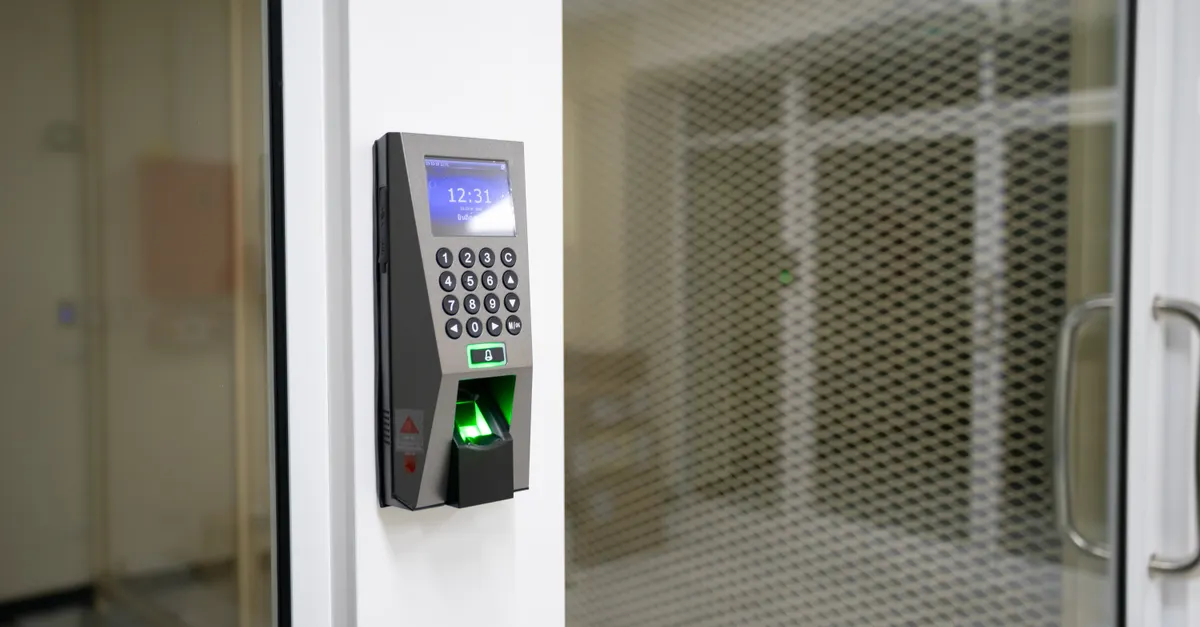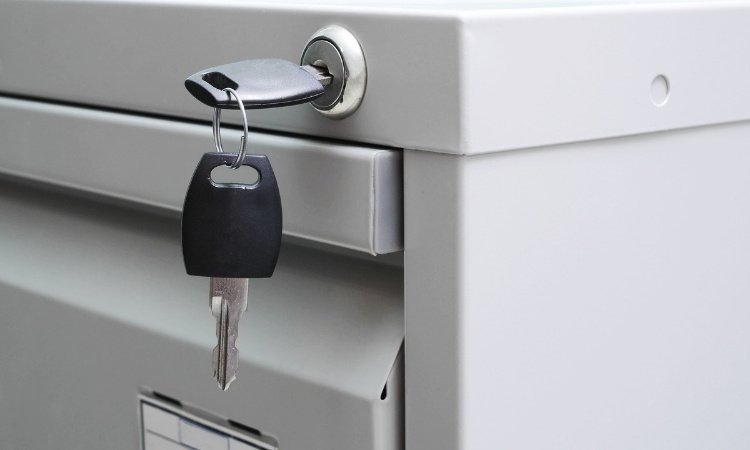
Keeping your workspace safe and organized starts with the small details, and one area that often gets overlooked is the humble file cabinet lock. Whether you’re in a busy office or managing confidential documents at home, following file cabinet lock safety tips can help you avoid injuries and prevent costly cabinet damage. A well-maintained locking system not only protects sensitive information but also keeps drawers functioning smoothly for years to come.
Neglecting proper care or using locks incorrectly can lead to pinched fingers, jammed drawers, or even broken hardware. By understanding the right techniques and maintenance routines, you’ll ensure your storage solutions remain both secure and user-friendly. If you’re dealing with older hardware, you might also find value in learning about file cabinet lock wear and tear repair to extend the life of your filing system.
Why Safe File Cabinet Lock Use Matters
File cabinets are a staple in offices and homes, but improper use or neglect can result in injuries or expensive repairs. When locks are forced, misaligned, or not maintained, drawers may stick or fail to close properly. This can lead to pinched fingers, tipping hazards, or even the need for replacement parts.
In addition to personal safety, following file cabinet lock safety tips helps preserve the integrity of your storage unit. A damaged lock can compromise the security of your documents and make it easier for unauthorized individuals to access sensitive files.
Common Hazards Associated with File Cabinet Locks
Understanding the risks associated with file cabinet locks is the first step toward prevention. Some of the most frequent issues include:
- Pinched or injured fingers from drawers closing unexpectedly or locks snapping shut.
- Cabinet tipping when multiple drawers are open at once, especially if the lock mechanism fails to secure them.
- Broken keys or jammed locks due to forcing the mechanism or using the wrong key.
- Drawer misalignment caused by slamming or improper locking, leading to stuck drawers or damaged tracks.
Addressing these hazards with practical safety measures can make a significant difference in daily use.
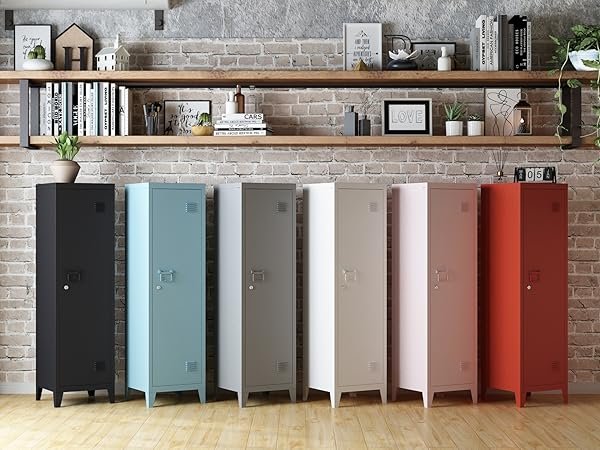
Essential File Cabinet Lock Safety Tips
To reduce the risk of injury and keep your cabinets in top condition, consider these proven strategies:
-
Use the Correct Key
Always use the designated key for your file cabinet. Forcing a lock with the wrong key or a makeshift tool can damage the internal mechanism and make the lock unusable.
-
Open One Drawer at a Time
Never open multiple drawers simultaneously. This can destabilize the cabinet and increase the risk of tipping, especially in taller units.
-
Lock Drawers When Not in Use
Locking drawers when you’re finished helps prevent accidental openings, which can cause tripping or pinched fingers. It also secures your documents against unauthorized access.
-
Regularly Inspect Locks and Keys
Check for signs of wear, rust, or misalignment. If you notice the key turning with difficulty or the lock sticking, address the issue promptly to avoid further damage.
-
Lubricate the Lock Mechanism
A small amount of graphite or silicone-based lubricant can keep the lock operating smoothly. Avoid using oil-based products, as they can attract dust and debris.
-
Close Drawers Gently
Slamming drawers can misalign the lock and damage the cabinet’s structure. Always close drawers with a gentle push until you hear or feel the lock engage.
For more in-depth advice on maintaining older or specialty locks, you may want to explore vintage file cabinet lock fix guides for classic hardware.
Preventing Cabinet Damage with Smart Practices
Beyond personal safety, it’s important to protect your investment in office furniture. Here are some additional steps to avoid unnecessary repairs:
-
Distribute Weight Evenly
Store heavier items in the bottom drawers to lower the cabinet’s center of gravity and reduce tipping risk.
-
Don’t Overfill Drawers
Exceeding the recommended capacity can strain the locking mechanism and cause drawers to jam or warp.
-
Address Sticking or Jammed Locks Immediately
If a lock becomes difficult to operate, don’t force it. Instead, consult a professional or reference resources such as step-by-step cabinet lock replacement instructions to resolve the issue safely.
-
Use the Right Tools for Repairs
When maintenance is needed, always use proper file cabinet lock repair tools to avoid causing further harm to the lock or cabinet structure.
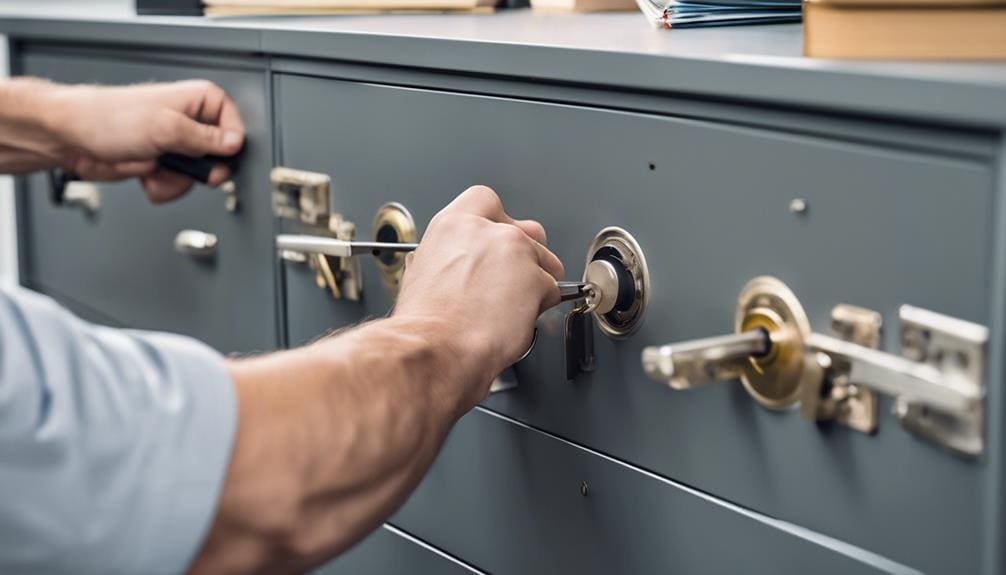
Maintenance and Troubleshooting for File Cabinet Locks
Routine care is essential for keeping your locking system reliable. Here are some maintenance tips and troubleshooting steps:
-
Inspect for Wear and Tear
Look for signs of corrosion, loose screws, or bent keys. If you spot issues, consult a guide on file cabinet lock restoration tips to restore function and appearance.
-
Keep Keys Organized
Designate a safe spot for keys to avoid misplacement and reduce the temptation to force locks open.
-
Replace Faulty Locks Promptly
If a lock is beyond repair, don’t delay replacement. A malfunctioning lock can compromise both safety and security.
-
Consult Professionals When Needed
For complex repairs or if you’re unsure about the process, contact a locksmith. Many offer 24/7 emergency services for urgent situations.
For a comprehensive checklist of what you might need for repairs, see tools needed for file cabinet lock repair to ensure you’re prepared for any maintenance task.
FAQ: File Cabinet Lock Safety and Maintenance
How often should I inspect my file cabinet lock?
It’s a good idea to check your lock and key function at least once every three to six months. Regular inspections help catch early signs of wear, rust, or misalignment before they become bigger problems.
What should I do if my file cabinet lock is stuck?
If your lock is stuck, avoid forcing the key. Try applying a small amount of graphite lubricant to the keyhole. If the problem persists, consult a professional locksmith or refer to a file cabinet lock wear and tear repair guide for troubleshooting steps.
Can I replace a file cabinet lock myself?
Many modern file cabinet locks can be replaced with basic tools and a new lock kit. For step-by-step instructions, see easy steps to filing cabinet lock replacement. If your cabinet is vintage or the lock is complex, professional help may be the safest option.
Conclusion
By following these file cabinet lock safety tips, you can protect both yourself and your storage equipment from unnecessary harm. Simple habits like using the correct key, locking drawers when not in use, and performing regular maintenance go a long way toward ensuring a safe and efficient workspace. When in doubt, don’t hesitate to reach out to a locksmith for expert advice or emergency assistance. Prioritizing safety and care today will save you time, money, and frustration in the long run.