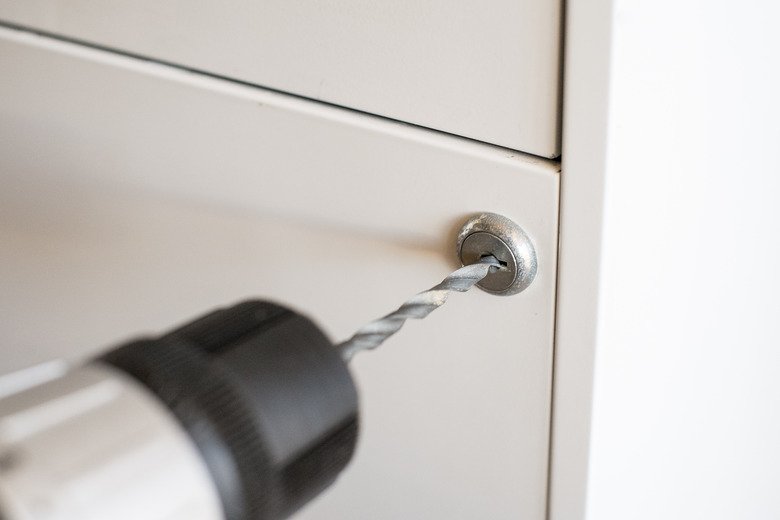
Dealing with a stuck or malfunctioning file cabinet lock can be frustrating, especially if you rely on it to keep important documents secure. Fortunately, many common lock issues can be resolved with straightforward solutions that don’t require advanced skills or specialized tools. This file cabinet lock repair guide for beginners is designed to walk you through simple fixes, safety tips, and essential maintenance to restore your cabinet’s security quickly and confidently.
Before diving into repairs, it’s important to understand the basic mechanisms of file cabinet locks and recognize when a DIY approach is safe. If you’re unsure about the extent of the damage or encounter complex issues, consider seeking professional help. For more detailed instructions and troubleshooting, you can also refer to our file cabinet lock repair step by step resource.
Common File Cabinet Lock Problems and Quick Solutions
Most file cabinet lock issues stem from everyday wear, debris buildup, or minor misalignments. Here are some of the most frequent problems and how to address them:
- Key Won’t Turn or Insert: Dust, dirt, or a misaligned lock cylinder can prevent the key from working smoothly. Try gently wiggling the key or applying a small amount of graphite lubricant to the keyhole. Avoid using oil-based lubricants, as they can attract more dirt.
- Stuck or Jammed Lock: If the lock feels stuck, check for visible obstructions in the keyway. Use a can of compressed air to clear debris. If the lock remains jammed, the locking bar inside the cabinet may be misaligned. Open the cabinet (if possible) and realign the bar by hand.
- Loose Lock Cylinder: Over time, the lock cylinder may become loose. Tighten the retaining nut or screw on the inside of the cabinet if accessible. If the cylinder is damaged, you may need to replace it.
For more tips on avoiding damage, see our guide on prevent file cabinet lock damage for best use and care practices.
Essential Tools for Basic File Cabinet Lock Repairs
Before starting any repair, gather a few basic tools. Most simple fixes only require:
- Phillips and flathead screwdrivers
- Needle-nose pliers
- Graphite lock lubricant
- Compressed air canister
- Replacement keys or lock cylinder (if needed)
Always work in a well-lit area and keep small parts organized to avoid losing screws or clips during the repair process.

Step-by-Step: Fixing a Stuck File Cabinet Lock
If your file cabinet lock is stuck, follow these steps for a safe and effective repair:
- Remove the Drawer (If Possible): Open the cabinet and carefully remove the affected drawer to access the lock mechanism from the inside.
- Inspect for Obstructions: Look for paper clips, staples, or other debris that may be blocking the lock or latch. Remove any obstructions with pliers or tweezers.
- Lubricate the Lock: Insert a small amount of graphite lubricant into the keyhole. Insert and remove the key several times to distribute the lubricant.
- Check the Locking Bar: Ensure the locking bar is properly aligned. If it has shifted, gently reposition it so it moves freely when the key is turned.
- Test the Lock: Reinsert the drawer and test the lock several times. If the problem persists, the lock cylinder may need replacement.
For more advanced troubleshooting, see our article on file cabinet lock wear and tear repair for fixing age-related issues.
When to Replace the Lock Instead of Repairing
Sometimes, a lock is too damaged for a simple fix. Signs you may need a new lock include:
- The key is bent, broken, or no longer fits
- The lock turns but does not engage or disengage the latch
- Visible cracks or damage to the lock cylinder
Replacing a file cabinet lock is a straightforward process for most models. Remove the old lock by unscrewing the retaining nut, slide out the cylinder, and insert the new lock. Secure it with the nut and test with the new key. For a detailed walkthrough, check out this step-by-step file cabinet lock replacement guide.
Safety Tips and Best Practices for DIY Lock Repairs
While most basic repairs are safe, it’s important to follow a few precautions:
- Always disconnect power tools from outlets before use around metal cabinets.
- Wear gloves to protect your hands from sharp edges inside the cabinet.
- Do not force the key or lock mechanism—excessive pressure can cause further damage.
- Keep children and pets away from the work area.
For more guidance on safe practices, review our file cabinet lock safety tips to prevent injury and cabinet damage.
Preventing Future Lock Issues
Regular maintenance can help you avoid many common file cabinet lock problems. Here’s how to keep your lock in top condition:
- Clean the keyhole and locking mechanism every few months with compressed air.
- Apply graphite lubricant periodically to ensure smooth operation.
- Use keys gently and avoid forcing them if resistance is felt.
- Check for loose screws or hardware and tighten as needed.
For those interested in the risks and best practices of DIY lock picking, see our article on DIY lock picking file cabinet safety.
FAQ: Simple File Cabinet Lock Repairs
What should I do if my file cabinet key breaks off inside the lock?
If a key breaks off in the lock, use needle-nose pliers or a broken key extractor to gently remove the fragment. Avoid pushing the broken piece further inside. If you can’t remove it, contact a locksmith for assistance.
Can I use WD-40 to lubricate my file cabinet lock?
It’s best to avoid oil-based lubricants like WD-40 for locks, as they can attract dust and debris. Use a graphite-based lubricant, which is specifically designed for lock mechanisms and won’t gum up over time.
How do I know if my file cabinet lock needs to be replaced?
If the lock is visibly damaged, the key no longer fits or turns, or the mechanism fails to secure the cabinet, replacement is likely necessary. Persistent issues after basic troubleshooting also indicate it’s time for a new lock.
Is it safe for beginners to attempt file cabinet lock repairs?
Most simple repairs, such as cleaning, lubricating, or tightening hardware, are safe for beginners. However, if you’re unsure about the repair or if the lock is severely damaged, it’s best to consult a professional locksmith.
Conclusion
With the right approach, most minor file cabinet lock issues can be resolved quickly and safely. By following the steps in this file cabinet lock repair guide for beginners, you can restore your cabinet’s security and avoid unnecessary expenses. Remember to maintain your lock regularly and seek expert help for complex problems. Keeping your file cabinet in good working order ensures that your documents remain secure and accessible whenever you need them.