File cabinets with locks are a staple in offices, schools, and homes where sensitive documents or valuables need to be kept secure. Understanding how locking file cabinets work can help users make informed decisions about security, maintenance, and troubleshooting. This article breaks down the internal mechanisms, types of locks, and practical considerations for anyone interested in the structure and function of these essential storage solutions.
Whether you’re a facilities manager, a business owner, or simply someone looking to keep personal files safe, knowing what’s inside a locking cabinet can be invaluable. We’ll also highlight some best practices for care and repair, and provide resources for further reading, including detailed guides on advanced file cabinet lock repair techniques and safety tips.
Key Components Inside a Locking File Cabinet
At the heart of every secure file cabinet is a combination of mechanical parts designed to keep drawers closed until the correct key or code is provided. The most common internal components include:
- Lock Cylinder: The main part where the key is inserted. Turning the key rotates the cylinder, which interacts with other internal parts.
- Lock Bar or Rod: A vertical or horizontal metal bar that moves up or down (or sideways) to physically block or release the drawers.
- Cam or Lever: Attached to the back of the lock cylinder, this piece converts the turning motion of the key into movement for the lock bar.
- Lock Plate or Catch: The fixed part inside the cabinet frame that the lock bar engages with to prevent opening.
- Springs: Small springs are often used to return the lock bar or cam to its default position when the lock is disengaged.
These elements work together to create a secure, reliable locking mechanism. When the correct key is used, the cylinder turns, moving the cam or lever, which in turn shifts the lock bar out of the way, allowing the drawer to open.
Types of Locking Mechanisms in File Cabinets
There are several varieties of locks found in filing cabinets, each with its own internal structure and method of operation. Understanding these types can help users choose the right cabinet for their needs and troubleshoot issues more effectively.
- Pin Tumbler Locks: The most common type, using a series of pins of varying lengths. The correct key aligns the pins at the shear line, allowing the cylinder to turn.
- Wafer Tumbler Locks: Similar to pin tumblers but use flat wafers instead of pins. These are often found in lower-security cabinets.
- Cam Locks: A simple mechanism where the key turns a cam, which directly moves the lock bar. These are common in both metal and wood cabinets.
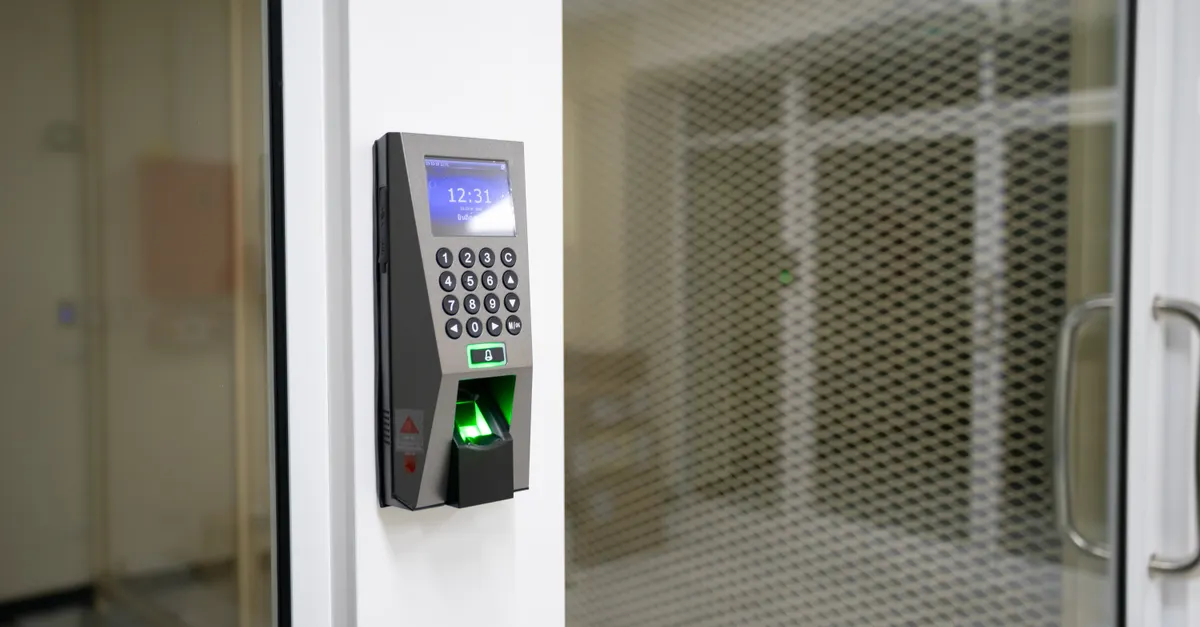
- Electronic Locks: Increasingly popular, these use a keypad or RFID system. Internally, a solenoid or motor moves the locking bar when the correct code or card is presented.
Each type has its own strengths and weaknesses. For example, pin tumbler locks are generally more secure than wafer locks, while electronic locks offer convenience and audit trails but require batteries or power.
How the Locking Bar System Functions
The locking bar is the backbone of most file cabinet security systems. When engaged, the bar runs through a series of slots or holes in the cabinet frame and the drawers themselves. Here’s a step-by-step look at what happens when you use the key:
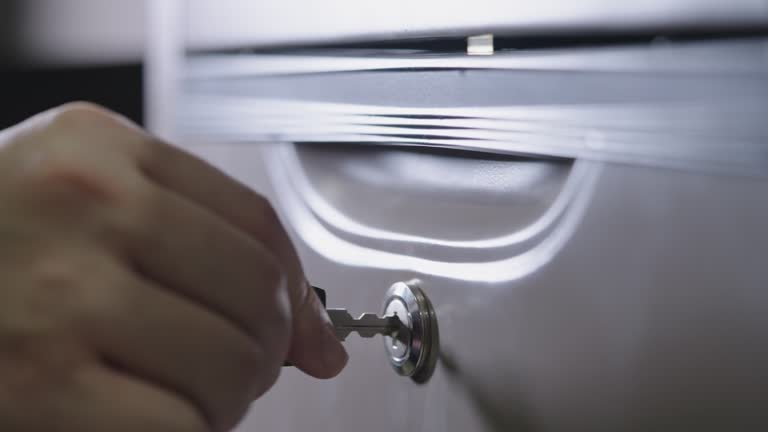
- You insert and turn the key in the lock cylinder.
- The cylinder rotates, moving the cam or lever attached to its rear.
- This motion pushes or pulls the locking bar, sliding it out of the way of the drawer slots.
- With the bar retracted, drawers can be opened freely.
- When relocked, the bar slides back into place, blocking the drawers from opening.
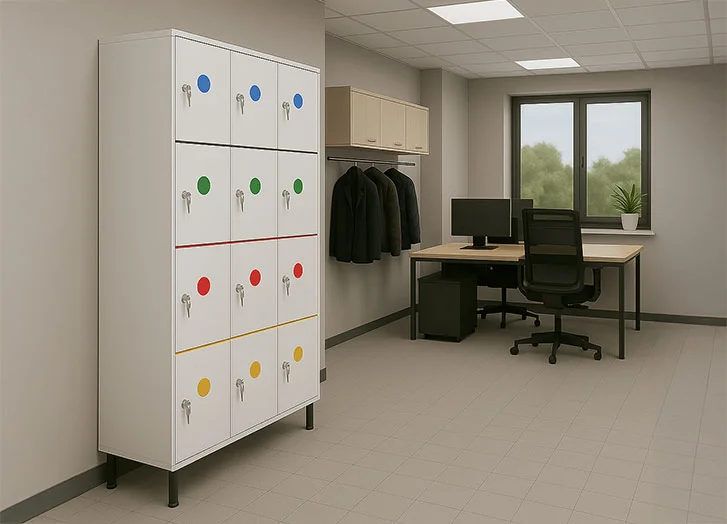
Some cabinets feature a central locking system, where a single lock controls all drawers, while others may have individual locks for each compartment. Central systems are more common in office environments for convenience and efficiency.
Common Issues and Troubleshooting Tips
Even the best locking cabinets can develop problems over time. Here are some frequent issues and what they might indicate:
- Key Won’t Turn: This can be caused by dirt or debris in the cylinder, a worn key, or misaligned pins or wafers.
- Drawer Stuck Closed: The locking bar may be jammed, the cam could be broken, or internal springs might have failed.
- Lock Spins Freely: This usually means the cam or lever has become detached from the cylinder, requiring internal repair.
- Lost Keys: In many cases, a locksmith can create a new key or replace the lock entirely. For more detailed repair instructions, see the file cabinet lock repair step by step guide.
Regular maintenance, such as lubricating the lock and keeping the mechanism clean, can prevent many of these problems. For safety advice, refer to file cabinet lock safety tips to avoid injury or damage during repairs.

Security Considerations and Best Practices
While file cabinet locks provide a basic level of security, they are not invulnerable. Here are some tips to maximize protection and longevity:
- Choose cabinets with higher-quality locks, such as pin tumbler or electronic models, for sensitive information.
- Keep a record of all keys and restrict access to authorized personnel only.
- Inspect and maintain the locking mechanism regularly to prevent wear and tear.
- Consider upgrading to more advanced systems if storing highly confidential materials.
- Follow best use and care practices to avoid accidental damage to the lock or cabinet structure.
If you ever encounter a lockout or malfunction, professional help is available. For example, if you need advice on opening a locked cabinet, you can find practical solutions in this discussion on opening a locked file cabinet.
Frequently Asked Questions
What should I do if my file cabinet lock is stuck or jammed?
First, try gently wiggling the key and avoid forcing it, as this can break the key or damage the lock. Lubricate the cylinder with a graphite-based lubricant. If the problem persists, consult a locksmith or refer to a file cabinet lock repair guide for beginners for step-by-step troubleshooting.
Are electronic file cabinet locks more secure than traditional key locks?
Electronic locks offer additional features like audit trails and keyless entry, making them more convenient and, in some cases, more secure. However, they require batteries or power and can be vulnerable to electronic tampering. For most office environments, a high-quality mechanical lock is sufficient, but electronic options are ideal for high-security needs.
How can I prevent damage to my file cabinet lock?
Regularly clean and lubricate the lock, avoid slamming drawers, and do not overload the cabinet. Only use the correct key and avoid using excessive force. Following preventive care tips can extend the life of your locking mechanism and cabinet.
Is it possible to rekey or replace a file cabinet lock?
Yes, most file cabinet locks can be rekeyed or replaced by a professional locksmith. This is useful if keys are lost or if you want to change access permissions. Some cabinets also allow for DIY lock replacement with basic tools.
Conclusion
Understanding the internal workings of locking file cabinets helps users make better choices about security, maintenance, and troubleshooting. By familiarizing yourself with the main components, types of locks, and common issues, you can keep your documents safe and your cabinet functioning smoothly. For more detailed repair and safety information, explore the linked resources or consult a professional locksmith when needed.