Understanding how long office cabinet locks last is essential for maintaining security and planning maintenance in any workplace. This file cabinet lock lifespan guide covers the typical durability of different lock types, factors that impact their longevity, and practical tips to help you get the most from your office security hardware. Whether you manage a busy office or simply want to keep sensitive documents secure, knowing when to replace or service your locks can prevent unexpected access issues and costly interruptions.
Office environments rely on file cabinets to store confidential paperwork, contracts, and personal information. The locks on these cabinets are a first line of defense, but like any mechanical component, they wear out over time. The actual lifespan of a file cabinet lock depends on usage, environment, and maintenance. In this article, we’ll explore what influences lock longevity, how to spot signs of wear, and when it’s time to consider a replacement or upgrade.
For those interested in maximizing lock performance, our file cabinet lock durability tips provide actionable advice on extending the life of your locking mechanisms.
What Determines the Lifespan of File Cabinet Locks?
The longevity of a file cabinet lock is influenced by several key factors. Understanding these can help you anticipate when maintenance or replacement may be needed.
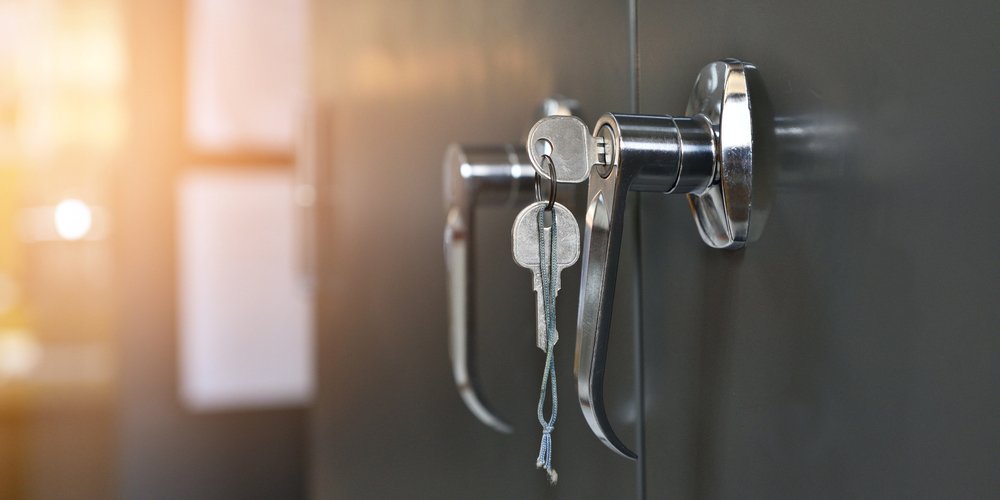
- Type of Lock: Pin tumbler, wafer, and cam locks are the most common mechanisms. Pin tumbler locks generally last longer due to their robust construction, while wafer and cam locks may wear out faster under heavy use.
- Frequency of Use: Locks used multiple times daily will naturally wear out sooner than those accessed infrequently.
- Environmental Conditions: Exposure to dust, humidity, or corrosive elements can shorten a lock’s effective lifespan. Offices in coastal or industrial areas may see faster degradation.
- Maintenance Practices: Regular cleaning and lubrication can significantly extend the working life of a lock. Neglecting maintenance often leads to premature failure.
- Quality of Materials: Higher-quality locks made from durable metals and precision components will outlast cheaper alternatives.
Average Lifespan of Common Office Cabinet Locks
While there’s no universal answer, most office cabinet locks are designed to last between 5 to 15 years under normal conditions. Here’s a breakdown by lock type:
| Lock Type | Expected Lifespan | Notes |
|---|---|---|
| Pin Tumbler | 10–15 years | Durable, secure, ideal for high-traffic cabinets |
| Wafer Lock | 5–10 years | Common in standard office furniture, moderate durability |
| Cam Lock | 5–8 years | Simple design, best for low-security applications |
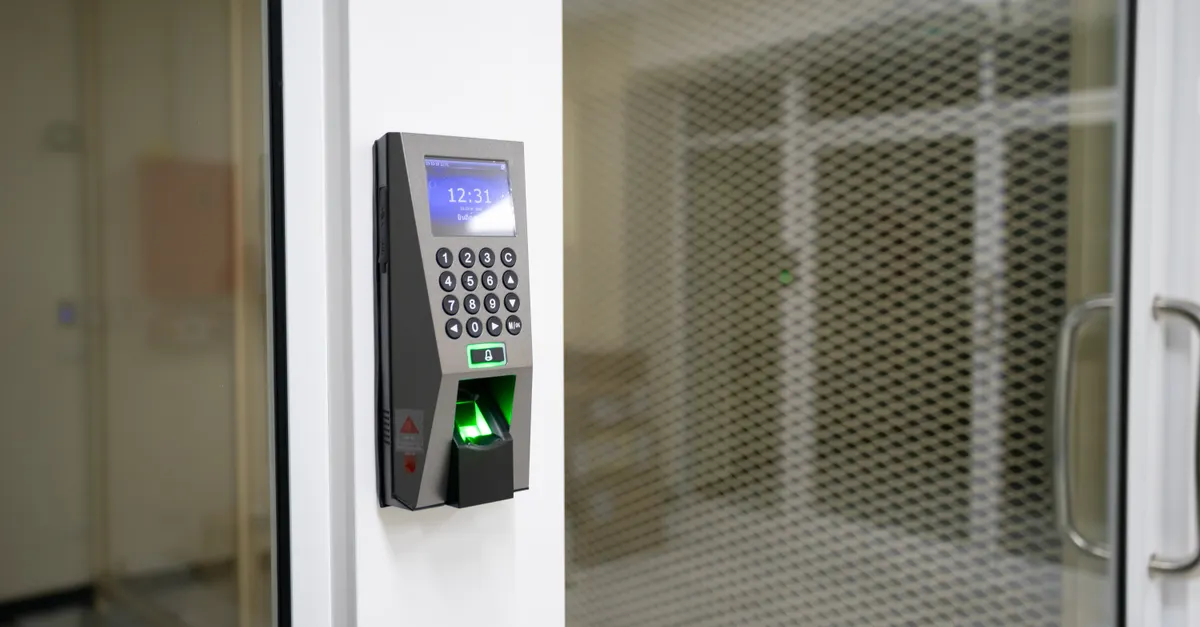
| Electronic Lock | 7–12 years | Dependent on battery and circuit quality |
Keep in mind these are average figures. Heavy use, lack of maintenance, or environmental stress can reduce these numbers, while careful upkeep can help locks last longer.

Signs Your Office Cabinet Lock Needs Replacement
Even the best locks eventually show signs of wear. Recognizing these early can help you avoid lockouts or compromised security. Here are common indicators that it’s time to replace your file cabinet lock:
- Difficulty Turning the Key: If the key sticks, jams, or requires extra force, internal components may be worn or misaligned.
- Loose or Wobbly Lock Cylinder: A lock that moves within its housing is a clear sign of wear or damage.
- Key Breakage: If keys are snapping or bending, the lock mechanism may be binding or corroded.
- Visible Rust or Corrosion: Any signs of rust, especially around the keyway, indicate moisture intrusion and potential failure.
- Security Concerns: If a lock has been tampered with or picked, replacement is the safest option.
For more on repair options, see our office drawer lock repair guide for practical steps to restore security before a full replacement is needed.
How to Extend the Life of Your File Cabinet Locks
With proper care, you can maximize the lifespan of your office cabinet locks. Here are some proven strategies:
- Regular Cleaning: Dust and debris can accumulate in the keyway. Use compressed air or a soft brush to keep it clear.
- Lubrication: Apply a graphite-based lubricant every 6–12 months to keep internal parts moving smoothly. Avoid oil-based products, which attract more dust.
- Gentle Use: Encourage staff to avoid forcing keys or slamming drawers, which can damage lock mechanisms.
- Environmental Protection: If your office is in a humid or dusty area, consider weather-resistant locks or protective covers.
- Professional Servicing: Schedule periodic inspections by a locksmith to catch wear early and prevent failures.
For a cost comparison of repairs versus new installations, our file cabinet lock replacement cost article breaks down pricing and savings tips.
When to Repair, Rekey, or Replace Your Lock
Deciding whether to repair, rekey, or replace a file cabinet lock depends on the severity of the issue and your security needs:
- Repair: Minor issues like sticky keys or loose screws can often be fixed by a locksmith.
- Rekey: If you’re concerned about lost or stolen keys but the lock is otherwise in good condition, rekeying is a cost-effective solution.
- Replace: For locks showing significant wear, damage, or security vulnerabilities, replacement is the safest choice.
For a detailed breakdown of service costs, visit our file cabinet lock service cost guide.
If you’re unsure about the best option, a professional locksmith can assess your lock and recommend the most secure and economical path forward. For a comprehensive look at the pros and cons of repairing versus replacing, see our file cabinet lock vs new cabinet cost resource.
Expert Advice and Further Resources
Staying proactive about lock maintenance is the best way to avoid unexpected failures. For more in-depth information on replacement procedures and security upgrades, you may find this comprehensive file cabinet lock replacement guide helpful.
Remember, the security of your office documents depends on reliable locks. Regular checks, prompt repairs, and timely replacements will ensure your cabinets remain secure for years to come.
Frequently Asked Questions
How often should office file cabinet locks be replaced?
Most office cabinet locks last between 5 and 15 years, but replacement may be necessary sooner if you notice signs of wear, difficulty turning the key, or security concerns. Regular inspections can help determine the right time for replacement.
Can I rekey a file cabinet lock instead of replacing it?
Yes, many office cabinet locks can be rekeyed if the lock is still in good condition. Rekeying is a good option if you’ve lost keys or want to restrict access without installing a new lock.
What maintenance steps will help my file cabinet lock last longer?
Regular cleaning, periodic lubrication with graphite-based products, and gentle use are the most effective ways to extend the life of your lock. Scheduling professional servicing can also catch issues before they lead to failure.