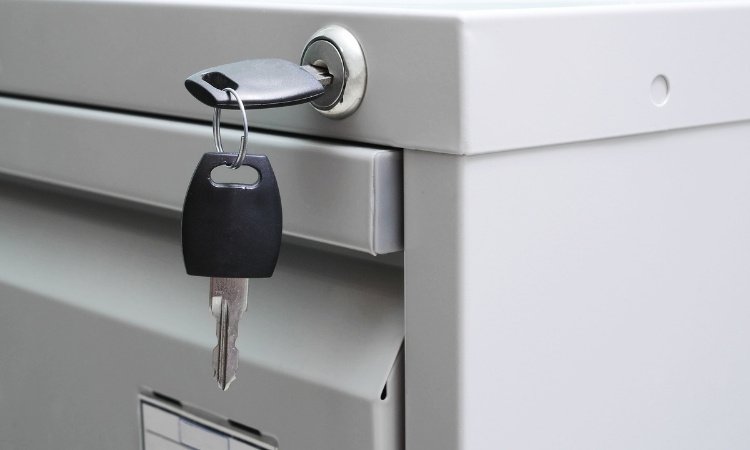
When cold weather hits, many offices and homeowners discover that their file cabinet locks become difficult or even impossible to operate. A file cabinet lock freezing problem fix is essential for anyone who relies on secure storage during winter. Frozen locks can delay access to important documents, disrupt workflow, and even cause permanent damage if not handled properly. Understanding why locks freeze and how to prevent or resolve this issue can save time, money, and frustration.
This article provides practical advice on identifying, preventing, and resolving frozen file cabinet locks. You’ll also find guidance on long-term maintenance and when to call a professional. For those interested in extending the life of their locks, the file cabinet lock lifespan guide offers additional insights into durability and longevity.
Why File Cabinet Locks Freeze in Winter
Freezing temperatures can cause moisture inside or around a lock to solidify, making it impossible to turn the key or operate the mechanism. This is especially common in areas with high humidity or where condensation forms due to temperature fluctuations. Metal components contract in the cold, which can further complicate the issue. Understanding these causes is the first step toward a reliable file cabinet lock freezing problem fix.
- Condensation: Sudden drops in temperature can cause water vapor to condense inside the lock cylinder.
- Humidity: Damp environments increase the risk of moisture entering the lock.
- Infrequent Use: Locks that are rarely used are more likely to accumulate moisture and debris.
By recognizing these factors, you can take proactive steps to prevent freezing before it becomes a problem.
Immediate Solutions for a Frozen File Cabinet Lock
If you find yourself unable to open your file cabinet due to a frozen lock, there are several safe and effective methods to restore access. Always avoid forcing the key, as this can cause breakage or internal damage.
- Warm the Key: Hold the key under hot water or use a lighter (with caution) to gently warm it, then insert it into the lock. The heat can help melt any internal ice.
- Apply De-Icer: Commercial lock de-icers are designed to quickly dissolve ice inside the mechanism. Spray directly into the keyhole and wait a few moments before attempting to turn the key.
- Use Isopropyl Alcohol: A few drops of 70% or higher isopropyl alcohol can help melt ice and evaporate moisture. Apply with a dropper or spray bottle.
- Hair Dryer: If accessible, use a hair dryer on a low setting to gently warm the lock exterior. Avoid overheating, as excessive heat can damage plastic or painted surfaces.
These methods offer a quick file cabinet lock freezing problem fix for most situations. If the lock remains stuck after several attempts, it may be time to consult a locksmith.
Preventing Lock Freezing: Maintenance and Preparation
Preventative care is the best way to avoid frozen locks during winter. Regular maintenance not only keeps locks functioning smoothly but also extends their lifespan. Here are some essential steps:
- Lubricate Regularly: Use a graphite-based or silicone lubricant, as oil-based products can attract moisture and dirt. For detailed instructions, see the file cabinet lock lubrication guide.
- Seal Gaps: Check for gaps around the lock or cabinet where cold air and moisture can enter. Weatherstripping or foam tape can help insulate these areas.
- Control Humidity: Use a dehumidifier in storage rooms or offices prone to dampness.
- Operate Locks Frequently: Turning the key and opening the cabinet regularly helps prevent moisture buildup and keeps internal parts moving.
Adopting these habits can significantly reduce the risk of encountering a frozen lock when you need access most.
Long-Term Solutions and Replacement Options
If you consistently experience freezing issues despite regular maintenance, it may be time to consider upgrading or replacing your lock. Modern locks are often designed with weather resistance in mind, featuring improved seals and corrosion-resistant materials.
For a step-by-step overview of replacing a file cabinet lock, refer to this guide to filing cabinet lock replacement. Choosing a high-quality replacement can provide peace of mind and reduce maintenance needs in the future.
Additionally, reviewing best practices for file cabinet lock care can help you establish a maintenance schedule that keeps your locks in top condition year-round.
When to Call a Professional Locksmith
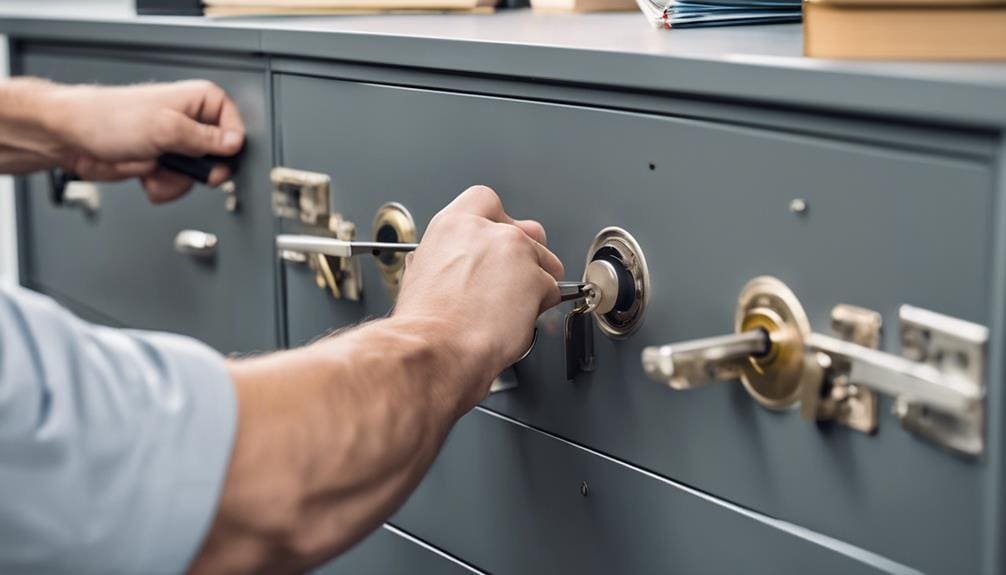
While many freezing issues can be resolved with DIY methods, some situations require expert help. If you encounter any of the following, it’s best to contact a locksmith:
- The key breaks off inside the lock.
- The lock remains frozen after multiple attempts to thaw or lubricate.
- There is visible damage or corrosion.
- The lock is critical for security or compliance reasons.
Professional locksmiths have specialized tools and experience to safely restore access without damaging your cabinet or lock. They can also recommend upgrades or additional security features tailored to your needs.
Additional Tips for Winter File Cabinet Security
Beyond addressing the immediate freezing issue, consider these extra measures to keep your documents safe and accessible:
- Store Cabinets Away from Exterior Walls: Cabinets placed near cold walls are more susceptible to temperature changes and condensation.
- Use Desiccant Packs: Placing silica gel or other moisture-absorbing materials inside the cabinet can help control humidity.
- Inspect Annually: Make it a habit to check all locks and seals before winter arrives.
For more advice on maximizing lock durability, the file cabinet lock durability tips article provides actionable strategies for long-term care.
Frequently Asked Questions
What causes a file cabinet lock to freeze?
Freezing is usually caused by moisture entering the lock cylinder and solidifying in low temperatures. This can result from condensation, high humidity, or exposure to cold air through gaps around the cabinet or lock.
Can I use WD-40 or oil to fix a frozen file cabinet lock?
While WD-40 can temporarily displace moisture, it is not recommended for long-term use as it can attract dirt and gum up the mechanism. Instead, use a graphite or silicone-based lubricant for ongoing maintenance.
How can I prevent my file cabinet lock from freezing again?
Regular lubrication, sealing gaps, controlling humidity, and operating the lock frequently are the best ways to prevent freezing. Storing cabinets away from exterior walls and using desiccant packs can also help.
When should I replace my file cabinet lock?
If your lock repeatedly freezes, shows signs of corrosion, or becomes difficult to operate even after maintenance, consider replacing it with a weather-resistant model. For more details, see the how long file cabinet locks last resource.