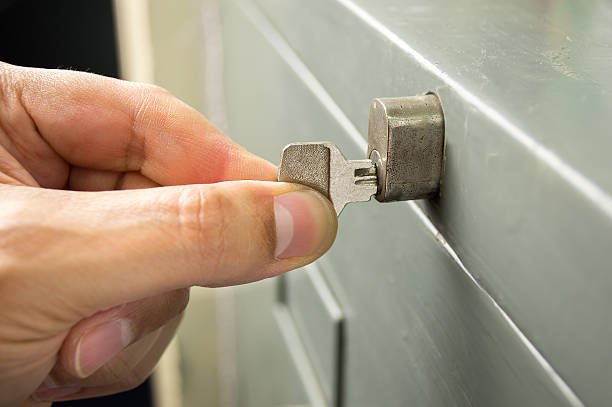
Corroded locks on file cabinets are a common frustration in offices, warehouses, and home workspaces. Rust not only makes locks difficult to turn but can also lead to permanent damage, leaving important documents inaccessible. Fortunately, addressing corrosion and preventing its return is straightforward with the right approach. This guide covers practical steps for removing rust, restoring lock function, and keeping your file cabinet locks in top shape for the long term.
Whether you’re dealing with a sticky lock, visible rust, or want to avoid future problems, understanding the causes and solutions for corrosion is essential. Early action can prevent costly lock replacements and security risks. If you’re also facing seasonal issues, such as freezing, you may find additional tips in our file cabinet lock stuck in winter article.
Understanding Why File Cabinet Locks Rust
Metal locks are vulnerable to rust and corrosion due to their exposure to moisture and air. Over time, even small amounts of humidity can cause oxidation, especially if the cabinet is located in a damp basement, near windows, or in a poorly ventilated office. Dust, spills, and lack of regular maintenance can accelerate the process, making it vital to recognize early warning signs.
- Discoloration: Orange or brown spots on the lock or keyhole indicate surface rust.
- Difficulty Turning the Key: Increased friction or sticking may signal internal corrosion.
- Flaking Metal: Advanced rust can cause pitting and metal loss, weakening the lock’s structure.
Addressing these issues promptly is the first step in any effective file cabinet lock corrosion fix.
Step-by-Step: Removing Rust from File Cabinet Locks
Before starting, gather the following supplies:
- WD-40 or a similar penetrating oil
- Fine steel wool or a small wire brush
- Soft cloths
- Protective gloves
- Graphite or silicone-based lock lubricant
Follow these steps to restore your lock:
- Apply Penetrating Oil: Spray a small amount of oil directly onto the rusted area and into the keyhole. Allow it to soak for 5–10 minutes to loosen corrosion.
- Scrub Away Rust: Gently rub the affected area with steel wool or a wire brush. Avoid excessive force to prevent scratching or damaging the lock’s finish.
- Wipe Clean: Use a soft cloth to remove loosened rust and excess oil. Repeat the application and scrubbing if needed for stubborn spots.
- Lubricate the Mechanism: Insert a small amount of graphite or silicone-based lubricant into the keyhole. Insert and turn the key several times to distribute the lubricant and restore smooth operation.
- Test the Lock: Ensure the key turns easily and the lock functions as intended. If problems persist, further disassembly or professional help may be required.
Preventing Rust on File Cabinet Locks
Once you’ve completed a file cabinet lock corrosion fix, it’s important to prevent future rust. Consistent maintenance can extend the life of your locks and avoid repeat problems.
- Keep Locks Dry: Wipe down locks and surrounding areas regularly, especially after spills or cleaning.
- Control Humidity: Use a dehumidifier or silica gel packs in damp environments to reduce moisture exposure.
- Apply Protective Coating: A light layer of machine oil or a corrosion inhibitor can shield metal surfaces from air and water.
- Routine Lubrication: Every 6–12 months, lubricate the lock cylinder with graphite or silicone-based products to keep mechanisms moving smoothly.
- Inspect Regularly: Check for early signs of rust or wear and address them before they worsen.
For more strategies on prolonging lock life, see our file cabinet lock durability tips guide.
When to Replace a Rusted File Cabinet Lock
In some cases, corrosion may be too advanced for cleaning and lubrication alone. If the lock remains stiff, the key is bent or broken, or the mechanism fails to engage, replacement is the safest option. Continuing to use a severely corroded lock can result in sudden failure or a lockout situation.
Replacing a lock is a straightforward process for most file cabinets. If you’re unsure which replacement to choose or how to install it, detailed instructions are available in this step-by-step guide to replacing file cabinet locks.
For those experiencing repeated issues, consider upgrading to a rust-resistant lock or consulting a locksmith for professional advice.
Tips for Long-Term Lock Health
Maintaining your file cabinet’s locking system is an ongoing task. Here are some additional tips to ensure your locks stay rust-free and reliable:
- Use the Lock Regularly: Locks that are rarely used are more likely to seize up. Turn the key and operate the lock periodically, even if you don’t need to access the cabinet.
- Avoid Excessive Force: Forcing a stuck key can cause internal damage. If you encounter resistance, stop and address the underlying issue.
- Store Keys Properly: Keep keys dry and clean to avoid transferring moisture or debris into the lock.
- Consider Environmental Factors: If your office is prone to condensation or temperature swings, take extra precautions with regular checks and moisture control.
For more information about how long you can expect your locks to last, see our guide on file cabinet lock lifespan.
FAQ
What causes file cabinet locks to corrode?
Corrosion is typically caused by exposure to moisture, humidity, and air, which leads to oxidation of the metal components. Dust, spills, and lack of maintenance can also accelerate rust formation.
Can I use household products to remove rust from my lock?
Yes, common products like WD-40, white vinegar, or baking soda can help remove surface rust. However, for best results and to avoid damaging the lock, use fine steel wool and a lubricant designed for locks.
How can I prevent rust from returning after cleaning?
Keep the lock dry, control humidity in the environment, apply a protective oil coating, and lubricate the mechanism regularly. Regular inspections and prompt cleaning of any new rust spots are also important preventive steps.
Is it better to repair or replace a severely rusted lock?
If the lock is heavily corroded, difficult to turn, or the key is damaged, replacement is usually the safest and most reliable option. Attempting to repair a lock with advanced rust may only provide a temporary solution.
Are there locks that resist corrosion better than standard models?
Yes, some locks are made from stainless steel or coated with rust-resistant finishes. These are ideal for high-humidity environments or areas prone to moisture exposure.