Securing your home starts with the right hardware, and a deadbolt lock is one of the most effective ways to protect your property. With so many options available, understanding how to choose a deadbolt lock that fits your needs can feel overwhelming. This guide breaks down the most important factors, from lock grades and types to installation tips and security features, so you can make an informed decision for your home or business.
Before diving into the details, it’s helpful to understand what makes deadbolts a preferred choice for security. Unlike spring bolt locks, deadbolts cannot be easily forced open, making them a strong deterrent against break-ins. If you’re interested in learning more about the effectiveness of these locks, check out this resource on how secure are deadbolt locks.
Understanding Deadbolt Lock Types
When considering how to choose a deadbolt lock, the first step is to understand the main types available. Each type offers different levels of convenience and security:
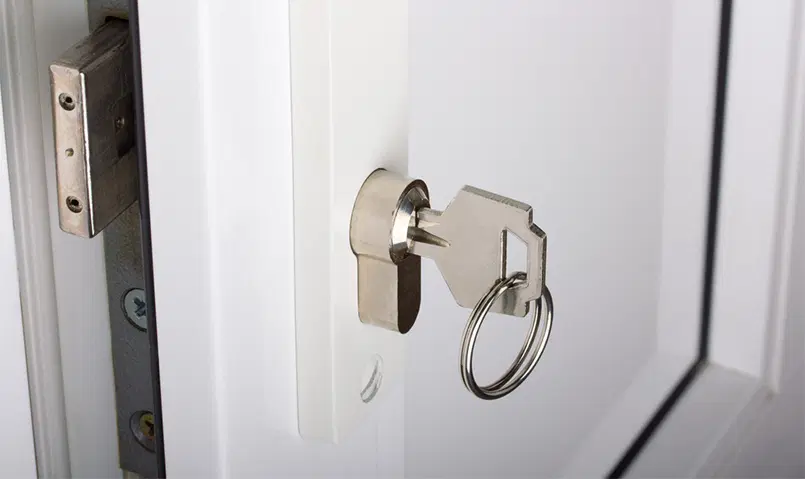
- Single Cylinder Deadbolts: The most common type, operated with a key from the outside and a thumb turn from the inside. Ideal for most residential doors.
- Double Cylinder Deadbolts: Require a key on both sides. These are useful for doors with glass panels, as they prevent intruders from unlocking the door by breaking the glass and turning the thumb piece. However, they can be a safety hazard in emergencies if a key is not readily available inside.
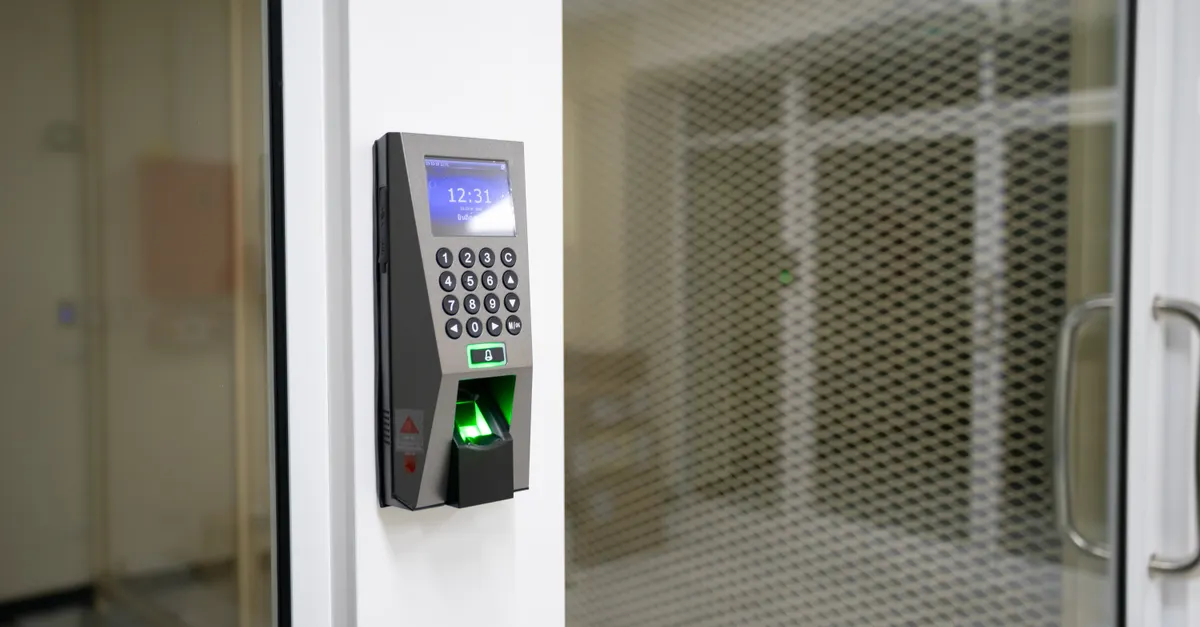
- Keyless or Electronic Deadbolts: Offer keypads, smart locks, or biometric options. These provide convenience and advanced features like remote access, but depend on batteries or power sources.
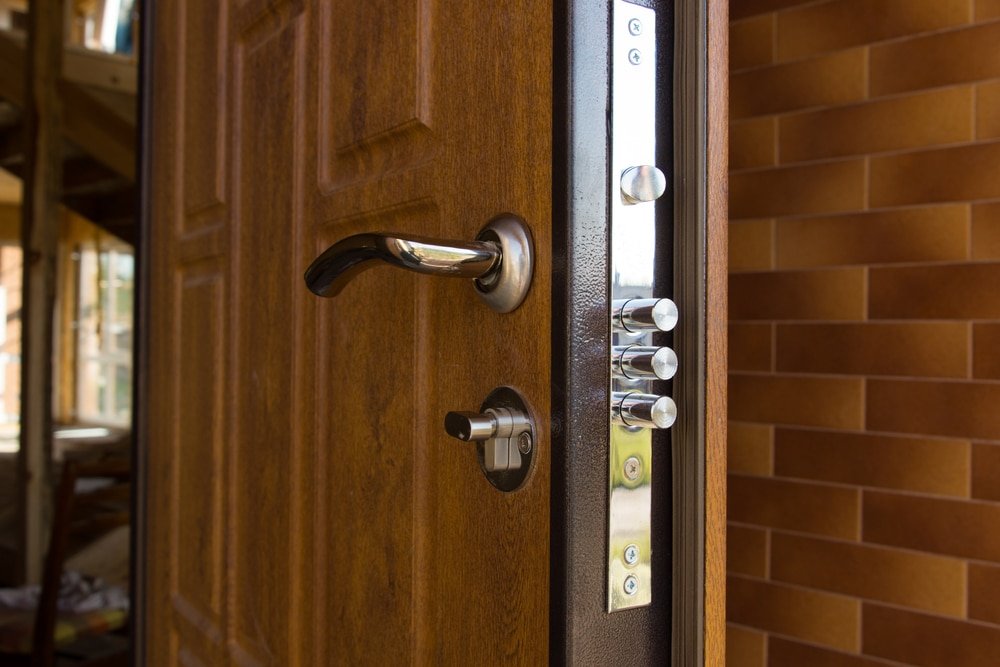
Key Factors in Selecting the Right Deadbolt
Choosing the best deadbolt involves more than just picking a style. Here are the most important considerations:
Lock Grade and Security Ratings
Deadbolts are rated by the American National Standards Institute (ANSI) based on their strength and durability:
- Grade 1: Highest level of residential security. These locks withstand more force and cycles, making them suitable for exterior doors.
- Grade 2: Good for light commercial or residential use. Offers solid security but not as robust as Grade 1.
- Grade 3: Basic residential security. These are the minimum standard and may not provide adequate protection for all situations.
When evaluating how to choose a deadbolt lock, always look for Grade 1 or 2 for entry doors to maximize protection.
Material and Build Quality
The strength of a deadbolt depends on the materials used. Look for locks made from solid brass, steel, or bronze, as these metals resist tampering and wear. Avoid lightweight or plastic components, which are more vulnerable to forced entry.
Strike Plate and Door Reinforcement
Even the best lock can be compromised if installed on a weak door or frame. A reinforced strike plate with long screws (at least 3 inches) helps anchor the lock securely to the door frame, making it much harder to kick in. Consider upgrading your strike plate if your current one is thin or only attached with short screws.
Additional Features to Consider
Modern deadbolts offer a range of features that can enhance both security and convenience:
- Smart Lock Integration: Some deadbolts connect to home automation systems, allowing remote locking and unlocking via smartphone apps.
- Bump and Pick Resistance: High-security models include pins and mechanisms that resist lock bumping and picking, common techniques used by intruders.
- Weather Resistance: For exterior doors, choose locks with weatherproof finishes to prevent rust and corrosion.
- Key Control: Some manufacturers offer patented keyways, making it difficult for unauthorized copies of your keys to be made.
For a deeper look at advanced deadbolt features and how they impact home security, you can explore this comprehensive deadbolt lock overview from a leading manufacturer.
Installation and Maintenance Tips
Proper installation is crucial for any deadbolt to function effectively. If you’re comfortable with DIY projects, you can follow a step-by-step deadbolt installation guide. Otherwise, hiring a professional locksmith ensures the lock is fitted correctly and securely.
Regular maintenance also extends the life and reliability of your lock. Lubricate the mechanism annually with graphite or a silicone-based spray, and inspect for signs of wear or misalignment. For more advice, see these deadbolt lock maintenance tips.
Common Mistakes When Selecting a Deadbolt
Even with the best intentions, it’s easy to overlook critical details. Here are some pitfalls to avoid:
- Choosing the Wrong Grade: Opting for a lower-grade lock to save money can compromise security.
- Ignoring Door Compatibility: Not all deadbolts fit every door thickness or material. Double-check specifications before purchasing.
- Poor Installation: Improperly aligned locks or weak strike plates can render even the strongest deadbolt ineffective.
- Neglecting Maintenance: Failing to maintain your lock can lead to jams, wear, or eventual failure.
If you encounter issues after installation, resources on common deadbolt lock problems can help you troubleshoot and resolve them quickly.
When to Replace or Upgrade Your Deadbolt
It’s important to know when your current lock is no longer sufficient. Consider upgrading if:
- Your lock is outdated or shows visible signs of wear.
- You’ve experienced a break-in or attempted forced entry.
- You want to add smart features or improve key control.
- Your keys have been lost or stolen.
Replacing a deadbolt is a straightforward process. For those interested in a DIY approach, this guide on replacing a deadbolt provides clear instructions.
FAQ: Deadbolt Lock Selection and Security
What is the difference between a single and double cylinder deadbolt?
A single cylinder deadbolt uses a key on the outside and a thumb turn on the inside, making it convenient for most homes. A double cylinder requires a key on both sides, offering extra security for doors with glass panels but can be a safety risk in emergencies.
How do I know if my deadbolt is secure enough?
Check the ANSI grade—Grade 1 offers the highest residential security. Also, ensure your lock is made from solid materials and installed with a reinforced strike plate. For more details, see the section on lock grades and security ratings above.
Are smart deadbolts as secure as traditional ones?
Smart deadbolts can be just as secure as mechanical models if they are built with strong materials and include features like bump and pick resistance. Always choose reputable brands and keep software updated to minimize vulnerabilities.
Can I install a deadbolt myself?
Many homeowners can install a deadbolt with basic tools and a step-by-step guide. However, for optimal security and fit, professional installation is recommended, especially for exterior doors.
How often should I replace or upgrade my deadbolt?
Consider replacing your deadbolt if it’s damaged, outdated, or after a security incident. Upgrading every few years or when new security features become available is a good practice for maintaining home safety.