Choosing the right lock for your home or business is a crucial decision that directly impacts your safety. When comparing deadbolt vs knob lock security, many homeowners wonder which option truly provides superior protection. Both locks are common on residential doors, but their mechanisms, strengths, and vulnerabilities differ significantly. Understanding these differences can help you make an informed choice for your property.
Before diving into the technical details, it’s important to recognize that not all locks are created equal. While both deadbolts and knob locks serve as entry-point barriers, their effectiveness against forced entry, picking, and other attacks varies. For those interested in maximizing door security, exploring a high security deadbolt guide can provide additional insights into advanced locking systems and what makes certain deadbolts stand out.
Understanding the Basics: How Each Lock Works
To appreciate the differences in deadbolt vs knob lock security, it’s helpful to understand how each mechanism operates. A knob lock integrates the locking mechanism within the door knob itself. When locked, a spring-loaded latch extends into the door frame, holding the door closed. However, the latch is relatively short and can be retracted by turning the knob or, in some cases, with a simple credit card or similar tool.
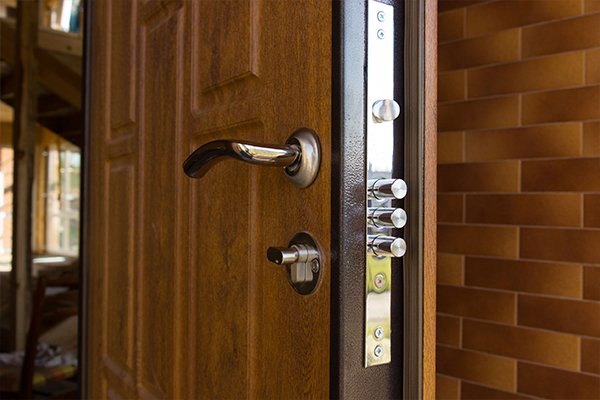
In contrast, a deadbolt uses a solid metal bolt that extends deep into the door frame when engaged. Unlike knob locks, deadbolts are not spring-loaded and cannot be easily forced back. They require a key or thumb turn to operate, making them much more resistant to common break-in techniques.

Comparing Security Features: Deadbolts vs Knob Locks
When evaluating security differences between deadbolts and knob locks, several key factors come into play:
- Resistance to Forced Entry: Deadbolts are specifically designed to withstand brute force attacks. Their solid metal bolts extend deeper into the door frame, making it difficult for intruders to kick in the door or use tools to pry it open. Knob locks, with their shorter latches and weaker construction, are far more susceptible to these attacks.
- Lock Picking and Bumping: Both types of locks can be vulnerable to picking or bumping, but deadbolts—especially those rated as high-security—often feature additional anti-pick pins and bump-resistant designs. Knob locks, particularly cheaper models, are generally easier to manipulate with basic lock-picking tools.
- Bypassing Techniques: Knob locks can sometimes be bypassed with a credit card or similar object, as their spring-loaded latches can be depressed with minimal effort. Deadbolts, lacking a spring mechanism, are immune to this type of attack.
- Durability and Construction: Deadbolts are typically made from stronger materials and have more robust internal components. Knob locks, by design, must accommodate the turning mechanism within the knob, which can compromise their structural integrity.
For those interested in learning more about the different types of deadbolts and their security features, the comprehensive guide to deadbolt types provides a detailed overview of available options and their respective strengths.
Real-World Scenarios: Where Each Lock Excels
While deadbolts are widely recognized as the gold standard for exterior doors, knob locks still have their place in home security. Understanding where each lock performs best can help you optimize your overall protection strategy.
- Exterior Doors: For front, back, and side doors that provide access to the outside, a deadbolt is strongly recommended. Its superior resistance to forced entry and bypassing makes it the preferred choice for primary entrances.
- Interior Doors: Knob locks are suitable for interior doors where privacy is the main concern, such as bedrooms or bathrooms. They offer a basic level of security but should not be relied upon for areas that require significant protection.
- Combination Use: Many doors feature both a knob lock and a deadbolt. This layered approach can deter opportunistic intruders and provide added peace of mind. However, the deadbolt should always be considered the primary security measure.
Installation and Maintenance Considerations
Proper installation is essential for maximizing the effectiveness of any lock. Deadbolts require precise alignment with the strike plate and a sturdy door frame to function optimally. Reinforcing the frame with longer screws and a solid strike plate can further enhance security. For those interested in a step-by-step process, the how to install a deadbolt lock guide offers practical tips and detailed instructions.
Knob locks are generally easier to install but should be checked regularly for wear and tear. Over time, the internal mechanisms can become loose, reducing their effectiveness. Regardless of the lock type, periodic maintenance—such as lubricating moving parts and checking for alignment—will help ensure reliable operation.
Cost and Value: Is Investing in a Deadbolt Worth It?
When weighing the cost of deadbolts versus knob locks, it’s important to consider the value of enhanced security. Deadbolts generally cost more than knob locks, both in terms of materials and installation. However, the added protection they provide can prevent costly break-ins and property loss.
For those on a budget, upgrading at least the main entry doors with quality deadbolts is a smart investment. Many locksmiths recommend pairing a deadbolt with a reinforced strike plate and a solid core door for maximum effectiveness. If you’re considering replacing or upgrading your locks, the how to replace a deadbolt resource can help you understand the process and what to look for in a new lock.
Modern Alternatives and Smart Lock Options
Advancements in lock technology have introduced smart locks and electronic deadbolts, offering features like remote access, keyless entry, and integration with home automation systems. While these options can enhance convenience, it’s important to evaluate their security features carefully. For a comparison of traditional deadbolts and smart locks, the deadbolt vs smart lock comparison article explores the pros and cons of each approach.
Regardless of the technology, the core principle remains the same: a strong, well-installed deadbolt is a critical component of any effective security system.
Frequently Asked Questions
Are deadbolts really more secure than knob locks?
Yes, deadbolts provide a much higher level of security compared to knob locks. Their solid metal bolt and lack of a spring mechanism make them highly resistant to forced entry and bypassing techniques. Knob locks, while convenient, are not designed to withstand significant force or tampering.
Can I use both a deadbolt and a knob lock on the same door?
Absolutely. Many homeowners use both types of locks on exterior doors for added protection. The deadbolt should serve as the primary security measure, with the knob lock providing an extra layer of deterrence.
What should I look for when choosing a deadbolt?
Look for deadbolts that are rated as Grade 1 by ANSI/BHMA, as these offer the highest level of residential security. Features like anti-pick pins, reinforced strike plates, and solid metal construction further enhance protection. For more tips, consult a how to choose a deadbolt lock guide to find the best option for your needs.
Is it worth upgrading from a knob lock to a deadbolt?
If security is a priority, upgrading to a deadbolt is one of the most effective steps you can take. The increased resistance to forced entry and tampering makes it a worthwhile investment for any exterior door.
Conclusion: Making the Right Choice for Your Security Needs
When it comes to protecting your property, understanding the differences in deadbolt vs knob lock security is essential. Deadbolts offer superior resistance to break-ins and are the preferred choice for exterior doors, while knob locks are best reserved for interior use. Investing in quality locks, proper installation, and regular maintenance will help ensure your home or business remains safe and secure.