Deadbolts are widely regarded as one of the most secure types of locks for residential and commercial properties. Many homeowners rely on them to provide a strong barrier against unauthorized entry. However, a common concern is whether these locks are truly impervious to tampering. If you’ve ever wondered, can deadbolts be picked, you’re not alone. Understanding the strengths and weaknesses of deadbolts is essential for anyone interested in improving their property’s security.
This article explores how deadbolts work, the methods used to bypass them, and what you can do to minimize vulnerabilities. We’ll also discuss how deadbolts compare to other lock types and provide practical tips for enhancing your home’s defenses.
For a deeper dive into how these locks help prevent unauthorized entry, see our guide on how deadbolts prevent break ins.
Understanding Deadbolt Mechanisms and Security Features
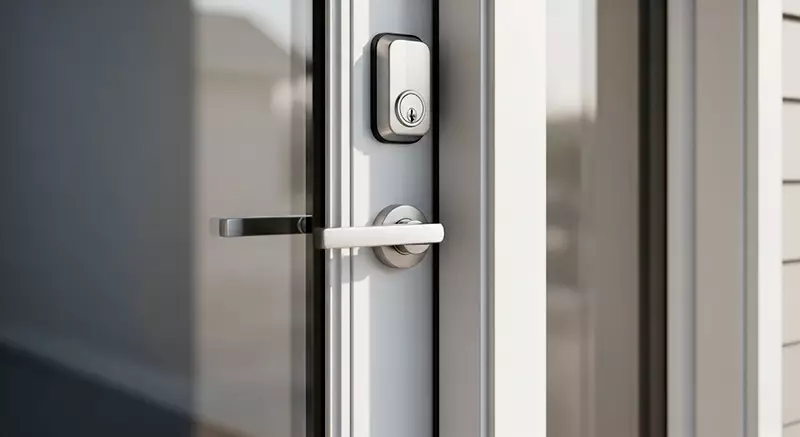
Deadbolts are designed to provide a higher level of security than standard spring bolt locks. Unlike knob locks or latch-based mechanisms, a deadbolt uses a solid metal bolt that extends deep into the door frame. This makes it much harder to force open with brute strength. There are several types of deadbolts, including single-cylinder, double-cylinder, and lockable thumbturn models. Each has its own advantages and potential weaknesses.
The main security feature of a deadbolt is its resistance to forced entry. When properly installed, the bolt cannot be easily retracted without the correct key. However, the effectiveness of a deadbolt depends on factors such as build quality, installation, and the presence of additional security enhancements like reinforced strike plates.
Can Deadbolts Be Picked? Techniques and Tools Used
While deadbolts are more secure than many other locks, they are not immune to picking. The answer to the question, can deadbolts be picked, is yes—most traditional pin tumbler deadbolts can be bypassed by someone with the right skills and tools. Lock picking is a method that manipulates the internal pins of the lock to align them in such a way that the cylinder can turn without the original key.

Common techniques used to pick deadbolts include:
- Single Pin Picking (SPP): Manipulating each pin individually with a pick and tension wrench.
- Raking: Using a rake tool to quickly move pins into place, often effective on lower-quality locks.
- Bumping: Inserting a specially cut bump key and striking it to momentarily align the pins and turn the lock.
It’s important to note that while these methods are possible, they require skill and practice. High-security deadbolts often include features like spool pins, mushroom pins, or sidebar mechanisms to make picking much more difficult.
Other Vulnerabilities Beyond Picking
Picking isn’t the only way a deadbolt can be compromised. Other vulnerabilities include:
- Lock Bumping: As mentioned, this technique uses a bump key to open pin tumbler locks quickly. Some deadbolts are more resistant to bumping than others.
- Drilling: Attackers may use a drill to destroy the lock cylinder. Anti-drill plates and hardened steel inserts can help prevent this.
- Physical Force: Poorly installed deadbolts or weak door frames can be kicked in or pried open, even if the lock itself is strong.
- Impressioning: This advanced method involves creating a working key by manipulating a blank inside the lock and reading marks left by the pins.
To address these risks, many manufacturers now offer deadbolts with anti-bump, anti-pick, and anti-drill features. Upgrading to a high-security model can significantly reduce the likelihood of a successful attack.
Comparing Deadbolts to Other Lock Types
When evaluating security, it’s useful to compare deadbolts with other common lock types. Knob locks and lever handle locks, for example, are generally easier to bypass because their latching mechanisms are less robust. Deadbolts, by contrast, offer a more secure solution due to their solid construction and deeper engagement with the door frame.
For a detailed comparison, see our resource on deadbolt vs knob lock security. Additionally, smart locks are becoming increasingly popular, offering features like keyless entry and remote monitoring. If you’re considering an upgrade, you may want to explore the best smart locks available today for enhanced convenience and security.
How to Strengthen Your Deadbolt Security
Even though deadbolts can be picked, there are several steps you can take to make your locks more resistant to tampering:
- Choose a high-security deadbolt: Look for models with anti-pick, anti-bump, and anti-drill features. For guidance, check out our how to choose a deadbolt lock guide.
- Reinforce the door frame: Install a heavy-duty strike plate with long screws that penetrate deep into the wall stud.
- Install the lock correctly: Proper alignment and secure mounting are crucial for maximum strength.
- Consider additional security: Use door reinforcement hardware, security cameras, and alarms to deter would-be intruders.
- Regularly inspect and maintain your locks: Replace worn or damaged components promptly.
By taking these precautions, you can greatly reduce the risk of your deadbolt being compromised.
Choosing the Right Lock for Your Needs
With so many options on the market, selecting the best lock for your home can be challenging. Factors to consider include the level of security you need, your budget, and whether you want traditional or smart features. For an in-depth look at top-rated models, see our article on the best deadbolt for front doors. If you’re weighing the pros and cons of traditional versus electronic options, our deadbolt vs smart lock comparison can help you make an informed decision.
Frequently Asked Questions
Are all deadbolts vulnerable to picking?
Most standard pin tumbler deadbolts can be picked by someone with the right tools and experience. However, high-security deadbolts are designed with features like security pins and complex keyways to make picking much more difficult.
How can I tell if my deadbolt is high-security?
Look for features such as anti-pick pins, hardened steel inserts, and certifications from organizations like ANSI or BHMA. High-security models often have unique keyways and may require special authorization for key duplication.
Is it better to use a smart lock or a traditional deadbolt?
Both have their advantages. Traditional deadbolts are reliable and mechanical, while smart locks offer convenience and additional features like remote access. The best choice depends on your security needs and lifestyle preferences.
Can a locksmith help improve my door security?
Yes, a professional locksmith can assess your current setup, recommend upgrades, and ensure proper installation. They can also advise on additional security measures such as reinforced strike plates and door hardware.
Conclusion
While deadbolts remain one of the most effective ways to secure a door, it’s important to recognize their limitations. The reality is that deadbolts can be picked under certain circumstances, especially if the lock is of lower quality or lacks modern security features. By understanding these vulnerabilities and taking proactive steps—such as upgrading to high-security models and reinforcing your entry points—you can significantly enhance your property’s protection. Stay informed, choose quality products, and don’t hesitate to consult a locksmith for expert advice on safeguarding your home or business.