Choosing the right deadbolt is a crucial step in securing your home or business. With so many options available, understanding the features, types, and installation considerations can make a significant difference in your property’s safety. This deadbolt lock buying guide covers the essentials, from lock types and security ratings to installation tips and maintenance advice. Whether you’re upgrading your current locks or outfitting a new space, making an informed decision will help protect what matters most.
For those interested in comparing different security solutions, you might also find our article on the best locks for apartment doors helpful. It provides additional insights into selecting robust locking mechanisms for various living situations.
Understanding Deadbolt Locks: Types and Features
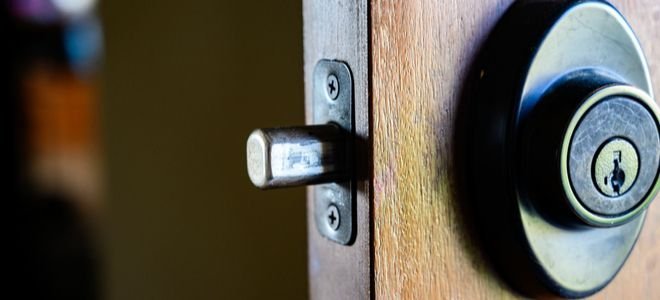
Deadbolts are a popular choice for exterior doors due to their enhanced resistance to forced entry. Unlike spring bolt locks, deadbolts require a key or thumb turn to open, making them harder to bypass. Here are the main types you’ll encounter:
- Single Cylinder Deadbolts: Operated with a key from the outside and a thumb turn from the inside. These are the most common and are suitable for most residential doors.
- Double Cylinder Deadbolts: Require a key on both sides. This design prevents intruders from unlocking the door if they break a nearby window, but it can be a safety concern in emergencies if a key is not readily available.
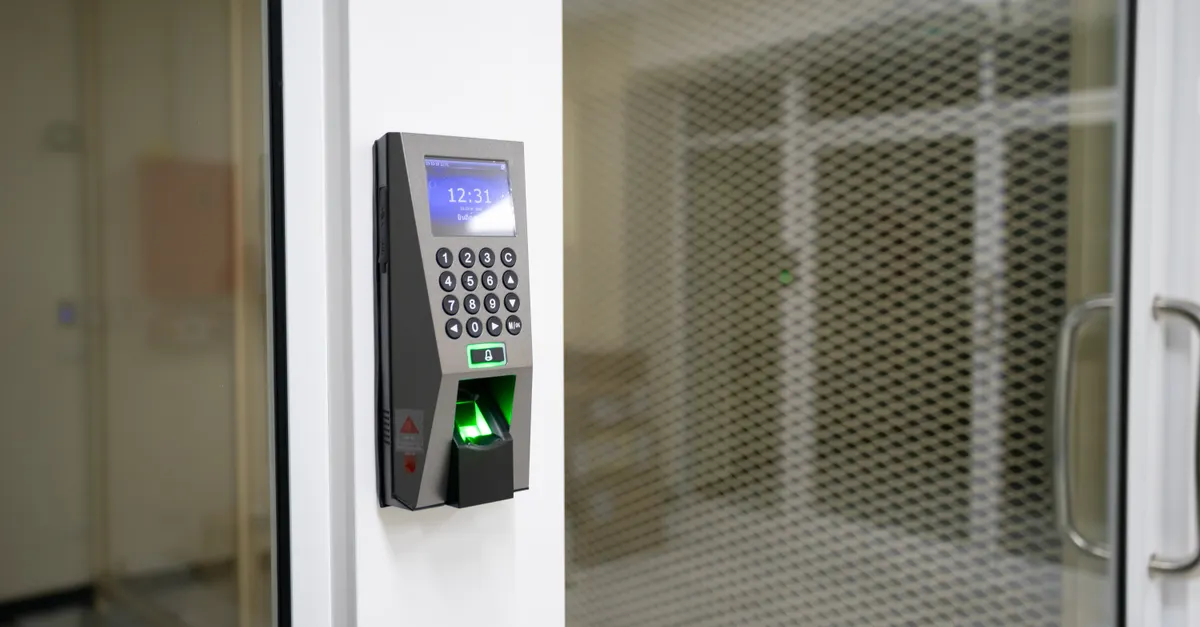
- Keyless or Electronic Deadbolts: Use a keypad, fingerprint, or smart device for entry. These offer convenience and can be integrated with home automation systems.
- Lockable Thumbturn Deadbolts: Combine the features of single and double cylinder locks, allowing you to lock the thumb turn when needed for extra security.
When selecting a deadbolt, consider the material of your door, the level of traffic, and whether you need features like remote access or integration with other smart home devices.
Security Ratings and What They Mean
Not all deadbolts offer the same level of protection. Security ratings help you compare products and choose the right one for your needs. The most recognized standard is the ANSI/BHMA grading system:
- Grade 1: The highest rating, suitable for commercial use and high-security residential applications. These locks withstand rigorous testing for durability and resistance to forced entry.
- Grade 2: A step down from Grade 1, but still offers strong protection for most homes.
- Grade 3: Basic residential security. While better than a standard spring latch, these are not recommended for exterior doors where maximum security is needed.
Look for locks with a Grade 1 or Grade 2 rating for entry doors. Additionally, check for features like hardened steel bolts, anti-drill plates, and reinforced strike plates to further enhance security.
Comparing Deadbolts to Other Lock Types
Deadbolts are often compared to knob locks and smart locks. Each has its strengths and weaknesses:
- Knob Locks: Easier to pick or force open, making them less secure than deadbolts. For optimal safety, use a deadbolt in conjunction with a knob lock.
- Smart Locks: Offer convenience and remote access, but may be vulnerable to hacking or power failures. For a detailed comparison, see our guide on deadbolt vs smart lock security.
- Deadbolts: Provide robust physical security and are less susceptible to common break-in techniques.
For more information on how these locks perform in real-world scenarios, our article on deadbolt vs knob lock security offers a thorough breakdown.
Key Considerations When Choosing a Deadbolt
When navigating any deadbolt lock buying guide, several factors should influence your decision:
- Door Material and Thickness: Ensure the lock is compatible with your door’s specifications. Most deadbolts are designed for standard doors, but extra-thick or metal doors may require special hardware.
- Ease of Installation: Some deadbolts are designed for DIY installation, while others may need professional help, especially if retrofitting an older door.
- Lock Cylinder Quality: High-security cylinders resist picking and bumping. Look for models with patented keyways or anti-pick features.
- Finish and Style: Match the lock’s appearance to your door hardware and home decor. Many brands offer a variety of finishes, from brass to matte black.
- Smart Features: If you want remote access or integration with home security systems, consider a smart deadbolt. For a comprehensive review, check out the best smart lock recommendations from trusted sources.
Installation and Maintenance Tips
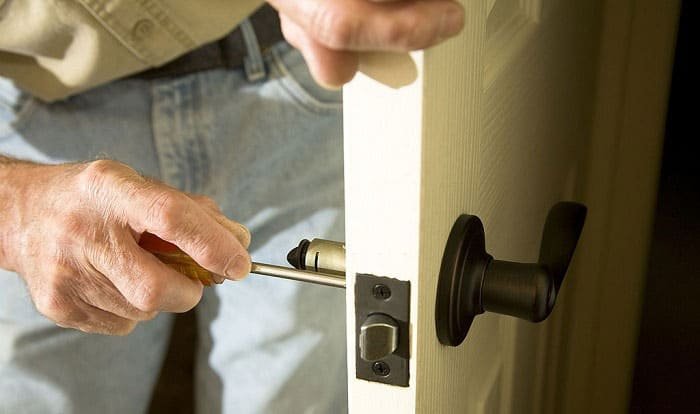
Proper installation is key to maximizing a deadbolt’s effectiveness. Here are some practical tips:
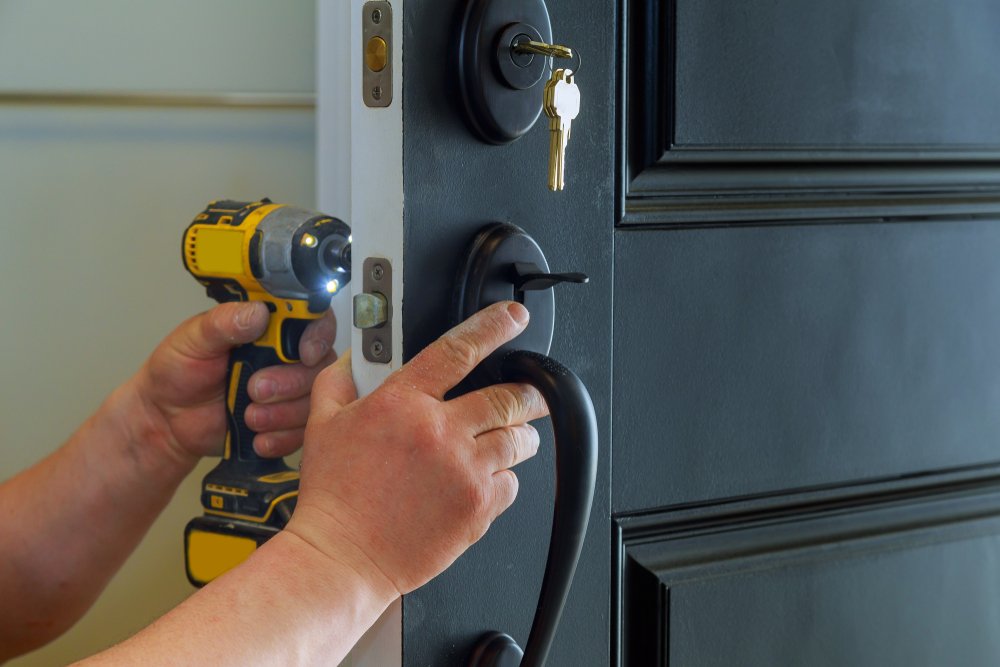
- Use the Right Tools: A drill, screwdriver, and chisel are typically needed. Follow the manufacturer’s instructions carefully.
- Reinforce the Door Frame: Install a heavy-duty strike plate with long screws (at least 3 inches) to prevent the door from being kicked in.
- Check Alignment: Ensure the bolt extends fully into the strike plate without obstruction. Misalignment can compromise security and cause premature wear.
- Regular Maintenance: Lubricate the lock cylinder annually with graphite or a manufacturer-recommended product. Inspect for loose screws or worn parts and address issues promptly.
If you’re unsure about installation, consider hiring a professional locksmith. For more on the security benefits of deadbolts, see our article on how deadbolts prevent break ins.
Smart Deadbolts: Features and Considerations
Smart deadbolts are becoming increasingly popular for their convenience and advanced features. These locks can be operated via smartphone apps, voice commands, or keypads. Some models offer temporary codes for guests, activity logs, and integration with home automation systems.
However, smart locks also introduce new considerations:
- Power Source: Most run on batteries. Ensure you have a backup key or alternative entry method in case of battery failure.
- Connectivity: Wi-Fi or Bluetooth-enabled locks may be susceptible to hacking. Choose models with strong encryption and regular firmware updates.
- Compatibility: Check if the lock works with your existing smart home ecosystem (e.g., Alexa, Google Home, Apple HomeKit).
For a deeper dive into choosing between traditional and smart options, our guide to selecting a deadbolt lock covers the pros and cons of each type.
Frequently Asked Questions
What is the difference between a single and double cylinder deadbolt?
A single cylinder deadbolt uses a key on the outside and a thumb turn on the inside, making it easy to lock and unlock from within. A double cylinder requires a key on both sides, which can enhance security but may pose a safety risk during emergencies if a key isn’t readily available.
Are smart deadbolts as secure as traditional models?
Smart deadbolts offer comparable physical security to traditional models, especially when they meet high ANSI/BHMA grades. However, they introduce digital vulnerabilities, so it’s important to choose a reputable brand with robust encryption and keep the firmware updated.
How often should I replace or upgrade my deadbolt?
Consider upgrading your deadbolt if it shows signs of wear, if you’ve experienced a break-in, or if you want to take advantage of newer security features. High-quality deadbolts can last many years with proper maintenance, but periodic upgrades ensure you stay ahead of evolving security threats.
Can I install a deadbolt myself?
Many deadbolts are designed for DIY installation, especially if you’re replacing an existing lock. However, for new installations or if you’re unsure about the process, hiring a professional locksmith ensures optimal security and proper alignment.
Conclusion
Choosing the right deadbolt involves balancing security, convenience, and compatibility with your door and lifestyle. By understanding the different types, security ratings, and installation requirements, you can make a confident decision that enhances your property’s protection. For more detailed advice on lock selection and security strategies, explore our related guides and stay informed about the latest advancements in lock technology.