Keeping your home secure starts with a strong entry door, and one of the most effective ways to boost security is by reinforcing your deadbolt lock. Many homeowners assume that simply installing a deadbolt is enough, but without proper reinforcement, even a quality lock can be vulnerable to forced entry. Understanding how to reinforce a deadbolt lock can make a significant difference in your overall home security.
This guide covers practical steps for strengthening your deadbolt, from upgrading hardware to reinforcing the door frame itself. Whether you’re looking to deter break-ins or just want extra peace of mind, these proven methods will help you secure your entryways more effectively.
For those interested in a deeper dive into lock strength and security features, the high security deadbolt guide provides detailed information on what makes a lock truly resilient against attacks.
Why Reinforcing Your Deadbolt Matters
Standard deadbolts offer a basic level of protection, but many can be bypassed with brute force or simple tools. Intruders often target the weakest points: the strike plate, door frame, or the screws holding hardware in place. By reinforcing these areas, you greatly reduce the risk of a successful break-in.
Research shows that doors with reinforced locks and frames are far less likely to be compromised. Upgrading your deadbolt setup is a cost-effective way to add a strong layer of defense to your home.
Assessing Your Current Deadbolt Setup
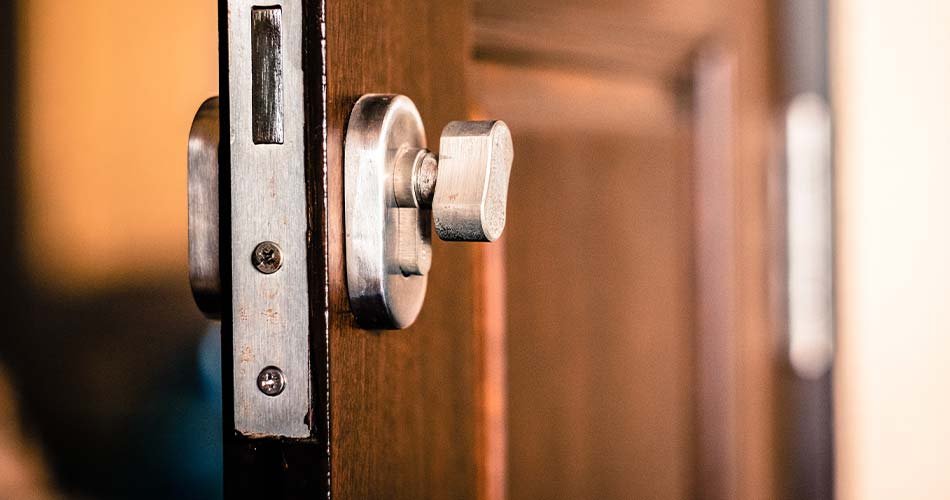
Before making upgrades, it’s important to evaluate your existing lock and door. Check for the following:
- Deadbolt Grade: Look for an ANSI Grade 1 deadbolt, which offers the highest level of residential security.
- Strike Plate: Inspect the metal plate on the door frame where the bolt enters. Thin or loosely attached plates are easy targets.
- Screw Length: Many locks are installed with short screws that only anchor into the door jamb, not the wall stud.
- Door Material: Solid wood or metal doors provide better resistance than hollow-core doors.
If any of these components seem weak or worn, it’s time to consider reinforcement options.
Upgrading Deadbolt Hardware for Better Security
One of the first steps in reinforcing a deadbolt lock is to upgrade the lock itself. Choose a model that meets or exceeds ANSI Grade 1 standards. These locks are tested for durability and resistance to picking, drilling, and forced entry.
For guidance on choosing the right lock for your needs, the how to choose a deadbolt lock resource outlines important features and considerations.
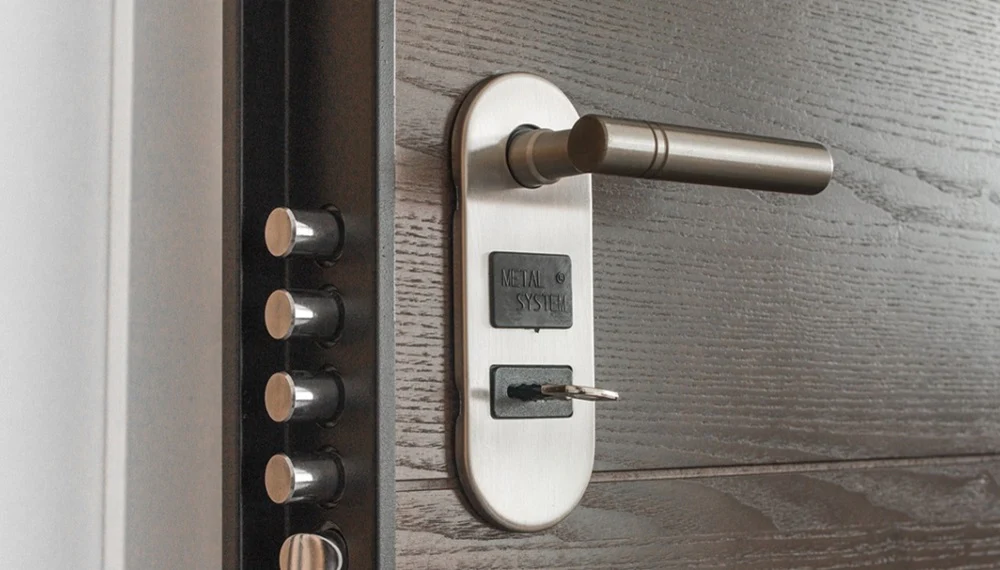
- High-Quality Deadbolt: Look for locks with hardened steel bolts and anti-saw pins.
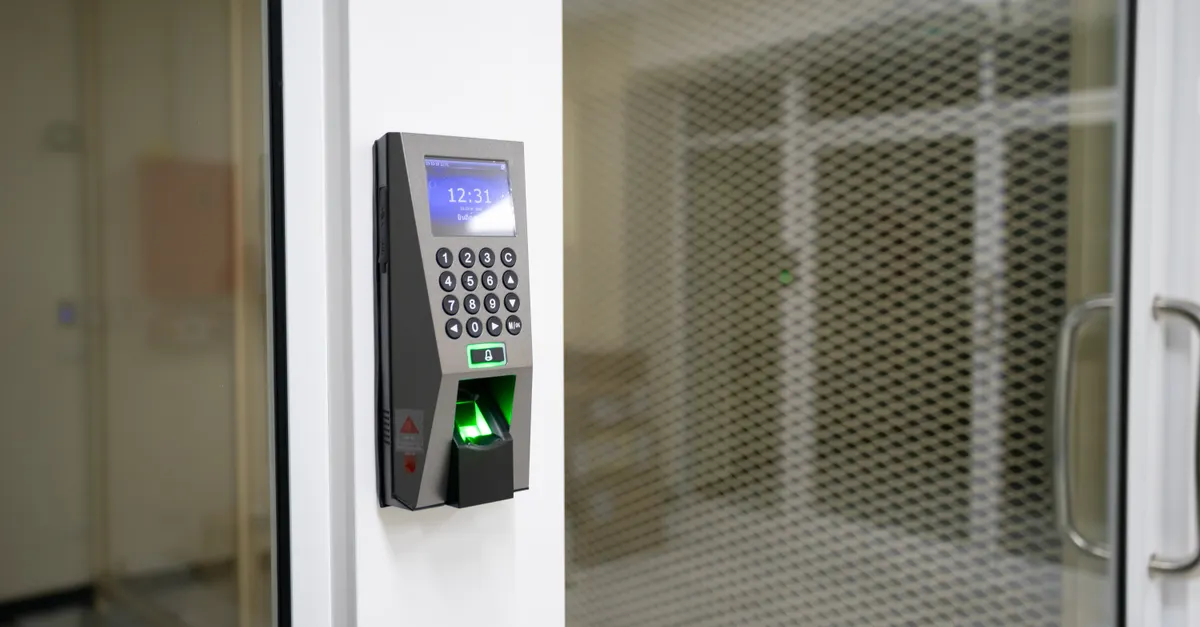
- Smart Deadbolts: Some electronic models offer additional features like alarms or auto-locking, but always ensure they have robust physical security.
Replacing an old or low-grade deadbolt with a stronger model is a foundational step in improving your door’s security.
Strengthening the Strike Plate and Door Frame
The strike plate is a critical component often overlooked in home security. Reinforcing this area can prevent the door from being kicked in, which is a common method of forced entry.
- Install a Heavy-Duty Strike Plate: Choose a plate made from thick steel, designed to withstand impact.
- Use Longer Screws: Replace the standard short screws with 3-inch or longer screws. These should penetrate deep into the wall stud, not just the door jamb.
- Reinforce the Door Frame: Consider adding a metal reinforcement kit or door jamb armor, which distributes force and resists splitting.
These upgrades make it much harder for an intruder to force the door open, even with significant effort.

Additional Ways to Reinforce Entry Doors
Beyond the lock and strike plate, there are several other measures you can take to enhance door security:
- Door Reinforcement Plates: Install wrap-around plates that shield the area around the deadbolt, protecting against prying and drilling.
- Hinge Reinforcement: Use long screws in all door hinges, anchoring them securely into the frame.
- Solid Core Doors: If your door is hollow or lightweight, consider replacing it with a solid wood or metal door for added strength.
- Security Accessories: Add door viewers, secondary locks, or security bars for additional layers of protection.
Each of these upgrades works together to create a more secure entry point, making your home a less attractive target for intruders.
Comparing Deadbolt Security Options
With so many products available, it’s helpful to compare features and benefits before making a decision. For a detailed look at different lock types, the deadbolt vs knob lock security comparison explains the advantages of each and why deadbolts are generally preferred for exterior doors.
When evaluating options, consider:
- Lock grade and certification
- Material and construction quality
- Compatibility with your existing door and frame
- Ease of installation and maintenance
Choosing the right combination of lock and reinforcement hardware is key to maximizing your home’s security.
Professional Installation vs. DIY Reinforcement
Many homeowners can handle basic upgrades like replacing screws or installing a new strike plate with common tools. However, for more advanced reinforcements—such as installing door jamb armor or upgrading to a smart deadbolt—professional installation may be worthwhile.
Locksmiths can assess your specific needs, recommend the best products, and ensure everything is installed correctly. If you’re unsure about any step, consulting a professional can provide peace of mind and optimal results.
Maintaining Your Reinforced Deadbolt
Once you’ve strengthened your entry door, regular maintenance is essential to keep everything functioning properly. Check the following at least once a year:
- Tighten all screws and hardware
- Lubricate the deadbolt mechanism
- Inspect for signs of wear or damage
- Test the lock and door alignment
Routine upkeep ensures that your reinforcements continue to provide reliable protection over time.
Further Resources on Door Security
For more information on choosing and comparing locks, you may find the best deadbolt for front doors article helpful. Additionally, if you’re considering smart locks or want to compare traditional and electronic options, the deadbolt vs smart lock comparison offers useful insights.
To explore additional ways to enhance your home’s security, check out this comprehensive overview of lock upgrades and home security tips.
Frequently Asked Questions
What is the most important step in reinforcing a deadbolt lock?
The most critical improvement is upgrading the strike plate and using long screws that anchor into the wall stud. This dramatically increases resistance to forced entry and is a cost-effective way to strengthen your door.
Can I reinforce my deadbolt lock without replacing the entire door?
Yes, most reinforcement methods—such as installing a heavy-duty strike plate, using longer screws, and adding door reinforcement plates—can be done without replacing the door itself. However, if your door is hollow or severely damaged, upgrading to a solid core door is recommended for maximum security.
How do I know if my deadbolt is strong enough?
Check for an ANSI Grade 1 rating, which indicates the highest level of residential security. Look for features like hardened steel bolts and anti-saw pins. If your lock lacks these features, consider upgrading to a more secure model.
Are smart deadbolts as secure as traditional ones?
Smart deadbolts can offer comparable or even enhanced security, provided they have robust physical construction and are installed correctly. Always choose models with strong mechanical components and reliable electronic features.