Deadbolt locks are a cornerstone of home security, relied upon by millions to protect entryways and valuables. But even the most robust lock isn’t immune to wear and tear. If you’re wondering how long do deadbolt locks last, you’re not alone. The answer depends on several factors, including the type of lock, materials, usage, and maintenance habits. Knowing when to replace or service your deadbolt is crucial for keeping your property secure and your mind at ease.
This guide breaks down the typical lifespan of deadbolt locks, signs of aging or failure, and practical tips for extending their service life. We’ll also touch on care routines, troubleshooting, and when it’s time to upgrade to newer technology. For those seeking more in-depth troubleshooting, our deadbolt lock troubleshooting guide offers step-by-step solutions to common issues.
Average Lifespan of Deadbolt Locks
On average, a quality deadbolt lock can last anywhere from seven to ten years with regular use and proper maintenance. Some high-end models, especially those made from solid brass or steel, may function reliably for over a decade. However, cheaper locks or those exposed to harsh weather may show signs of wear much sooner.
The actual service life depends on:
- Material quality – Solid metal locks outlast those made with plastic or lightweight alloys.
- Frequency of use – Locks on main entry doors wear out faster than those used less often.
- Environmental factors – Exposure to moisture, salt air, or extreme temperatures can accelerate corrosion and mechanical failure.
- Installation quality – A properly aligned and installed deadbolt experiences less stress and lasts longer.
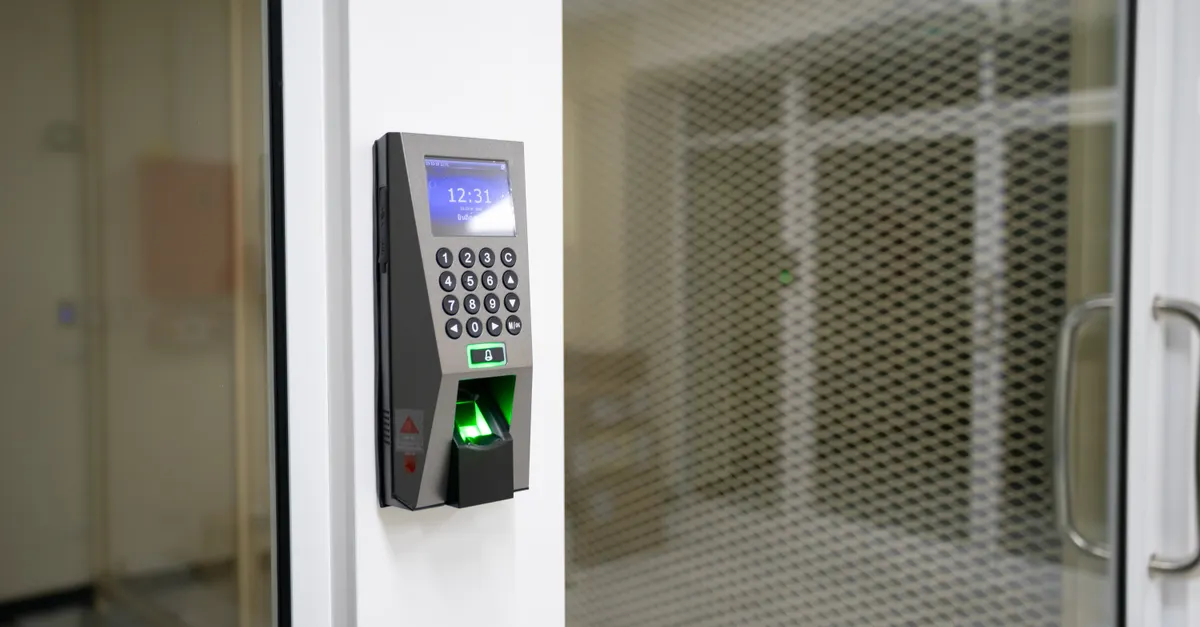
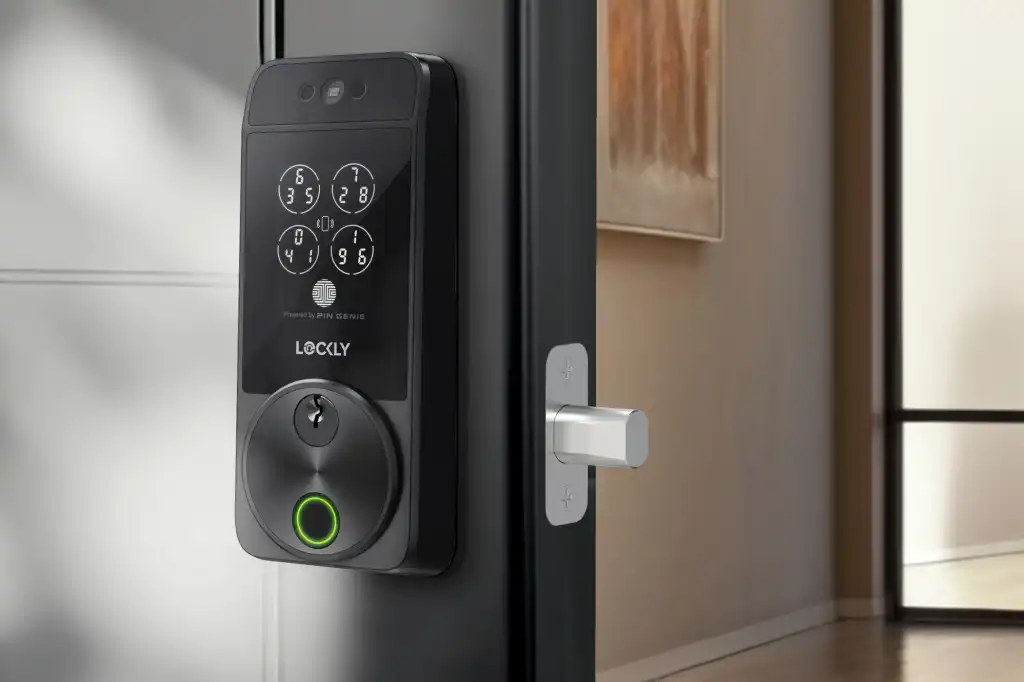
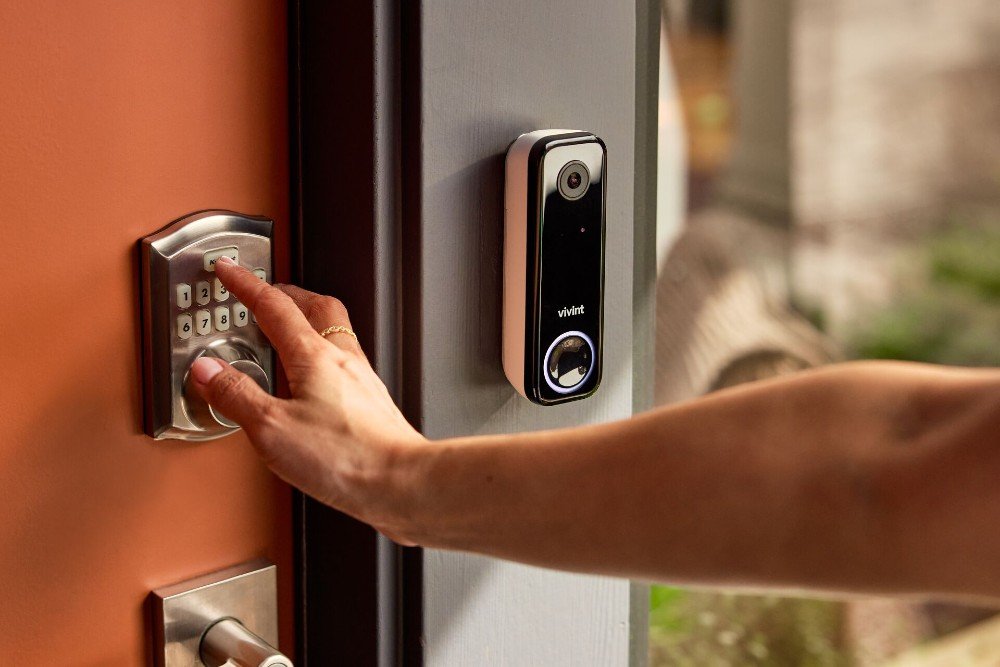
Electronic and smart deadbolts may have a similar mechanical lifespan, but their electronic components (like keypads or batteries) may require more frequent attention or replacement.
Factors That Affect How Long Deadbolt Locks Last
Understanding what influences the longevity of your lock can help you make informed choices and spot potential issues early. Here are the main factors:
- Build Quality: Premium brands and models with solid construction tend to resist wear better than budget options.
- Usage Patterns: High-traffic doors, such as front entries, subject locks to more cycles and faster wear.
- Weather Exposure: Outdoor locks exposed to rain, snow, or direct sunlight may corrode or degrade faster.
- Maintenance: Regular cleaning, lubrication, and inspection can significantly extend a lock’s usable life.
- Security Upgrades: Advances in lock technology may render older deadbolts less secure, even if they still function mechanically.
Signs Your Deadbolt Needs Replacement
Even the best locks eventually reach the end of their service life. Watch for these warning signs that indicate it’s time to consider a replacement:
- Difficulty turning the key or thumbturn – Sticking, grinding, or jamming can signal internal wear or misalignment.
- Visible rust or corrosion – Especially around the bolt, keyway, or mounting screws.
- Loose or wobbly components – A lock that shifts in the door or feels unstable may be compromised.
- Key no longer fits smoothly – Worn pins or tumblers can make keys unreliable or cause them to break.
- Security concerns – If your lock is an older model, it may be vulnerable to modern break-in techniques, even if it still works.
Addressing these issues promptly is essential for maintaining the security of your home. If you’re unsure, a professional locksmith can assess the condition of your lock and recommend the best course of action.
How to Extend the Life of Your Deadbolt
With a few simple care routines, you can maximize the lifespan of your deadbolt and avoid premature replacement:
- Clean the exterior regularly – Wipe down the lock with a damp cloth to remove dirt and debris. Avoid harsh chemicals that may damage finishes.
- Lubricate moving parts – Apply a graphite or silicone-based lubricant to the keyway and bolt mechanism every 6–12 months. Avoid oil-based products, which can attract dust and gum up the works.
- Check alignment – Ensure the deadbolt slides smoothly into the strike plate. If not, adjust the plate or door to reduce stress on the lock. For detailed instructions, see our guide on how to align a deadbolt strike plate.
- Tighten mounting screws – Periodically check that all screws are snug to prevent wobbling or shifting.
- Replace worn keys – A bent or damaged key can accelerate wear inside the lock cylinder.
Regular maintenance not only extends the life of your lock but also helps you spot issues before they become serious security risks.
When to Upgrade or Replace Your Deadbolt
Even with the best care, there comes a time when replacing your deadbolt is the safest option. Consider upgrading if:
- Your lock is over a decade old, especially if it’s a basic model.
- You’ve experienced a break-in or attempted forced entry.
- You want to enhance security with features like anti-bump, anti-pick, or smart technology.
- You’ve lost track of who has copies of your keys.
Modern deadbolts offer improved resistance to picking, bumping, and drilling. Many homeowners are also switching to smart deadbolts for added convenience and security. If you’re interested in exploring the latest options, check out this comprehensive review of top smart locks for homes and apartments.
For those managing rental properties or seeking the most reliable models, our resource on the best deadbolt for rental properties highlights secure and affordable choices.
Maintenance Tips for Longer Deadbolt Service
Routine care is key to maximizing the lifespan of any lock. Here are some practical tips:
- Inspect your lock every few months for signs of wear, rust, or misalignment.
- Keep the area around the lock free of dust and debris.
- If your deadbolt becomes loose, follow our steps on how to fix a loose deadbolt to restore stability.
- For added peace of mind, review our deadbolt lock safety tips to ensure your home remains protected year-round.
Staying proactive with maintenance not only extends the life of your lock but also helps you avoid inconvenient lockouts and expensive emergency replacements.
Frequently Asked Questions
How often should I replace my deadbolt lock?
Most experts recommend replacing a deadbolt every 7–10 years, or sooner if you notice signs of wear, difficulty operating the lock, or after a security incident. Upgrading to newer models can also improve your home’s protection.
Can I repair a sticking or hard-to-turn deadbolt?
Yes, many issues like sticking or stiffness can be resolved with cleaning, lubrication, or minor adjustments. For persistent problems, consult a locksmith or refer to our deadbolt lock troubleshooting guide for step-by-step help.
Do smart deadbolts last as long as traditional ones?
Mechanically, smart deadbolts can last just as long as standard models if well maintained. However, their electronic components (such as batteries and keypads) may require more frequent replacement or servicing.
What’s the best way to maintain my deadbolt lock?
Regularly clean and lubricate the lock, check for alignment, tighten screws, and replace worn keys. Promptly address any signs of trouble to prevent further damage.
By understanding the factors that influence how long deadbolt locks last and following these care tips, you can ensure your locks remain reliable and secure for years to come.