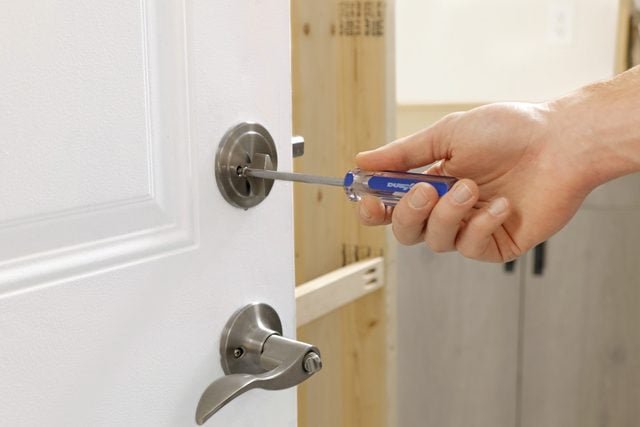
Keeping your home secure is a top priority, especially when you have young children who are curious and love to explore. One area that often gets overlooked is the deadbolt lock on exterior doors. While these locks are essential for keeping intruders out, they can also pose a risk if little hands learn how to unlock them. Understanding how to childproof a deadbolt is crucial for any parent or caregiver who wants to ensure both safety and peace of mind.
Childproofing a deadbolt doesn’t have to be complicated or expensive. With the right tools and a bit of know-how, you can prevent accidental escapes and keep your children safely inside. This article covers practical solutions, step-by-step instructions, and tips for choosing the best childproofing method for your home. If you’re also interested in maintaining your locks, check out our guide on how to lubricate a deadbolt lock for smooth operation.
Why Childproofing Your Deadbolt Matters
Deadbolts are designed to provide security, but they can also be a hazard for young children. Curious toddlers may figure out how to reach and turn the lock, potentially wandering outside unsupervised. This risk is especially high if your door is near a step stool, furniture, or has a low-mounted lock. Taking steps to childproof a deadbolt helps prevent accidental lockouts, escapes, and even injuries.
Childproofing is not just about preventing children from leaving the house. It also ensures that your home remains secure from the outside, as some childproofing devices can add an extra layer of protection against intruders. For more tips on keeping your home secure, you might find our deadbolt lock safety tips helpful.
Common Methods to Childproof a Deadbolt Lock
There are several effective ways to make a deadbolt lock safer for children. The best method depends on your door type, your child’s age, and your household’s needs. Here are some of the most popular solutions:
- Deadbolt covers: These plastic or metal covers fit over the deadbolt thumbturn, making it difficult for small hands to turn the lock.
- High-mounted locks: Installing an additional lock higher up on the door, out of a child’s reach, adds another barrier.
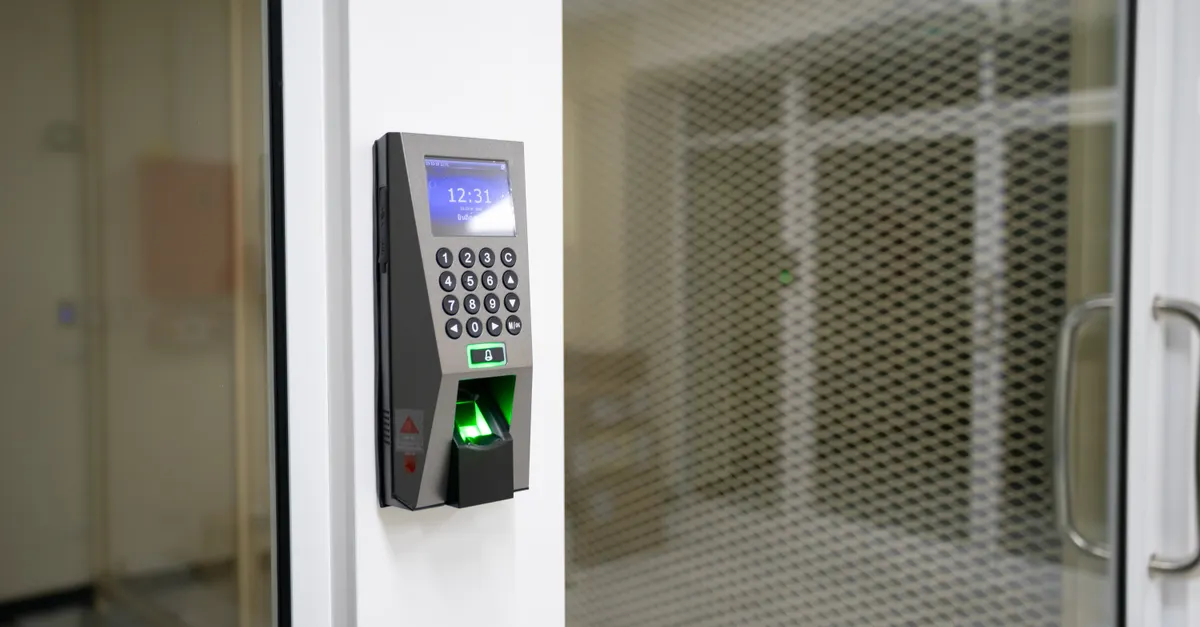
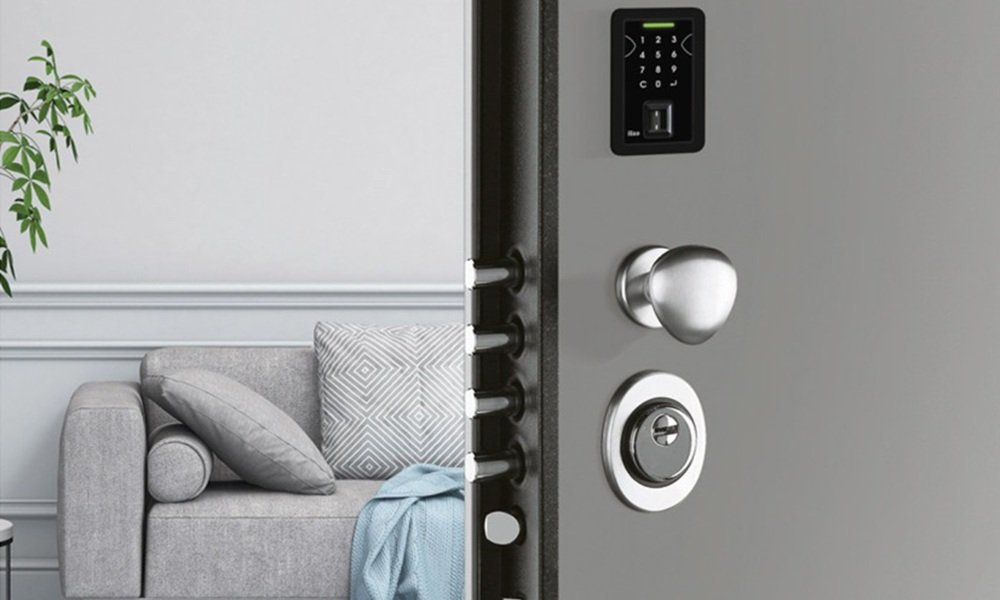
- Keyless smart locks: Replacing your standard deadbolt with a smart lock that requires a code or app can prevent children from unlocking the door.
- Door knob covers: While not specific to deadbolts, these can be used in combination with other methods for added security.
Step-by-Step Guide: Installing a Deadbolt Cover
One of the simplest and most affordable ways to childproof a deadbolt is by installing a deadbolt cover. Here’s how to do it:
- Choose the right cover: Select a deadbolt cover that fits your lock’s size and style. Most are universal, but it’s best to double-check measurements.
- Clean the area: Wipe down the door around the deadbolt to ensure the cover adheres properly if it uses adhesive.
- Install the cover: Follow the manufacturer’s instructions. Some covers snap over the thumbturn, while others use adhesive strips or screws.
- Test the lock: Make sure adults can still operate the deadbolt easily, but that it’s difficult for a child to turn or remove the cover.
Deadbolt covers are widely available online and at hardware stores. They’re a great first step for families with toddlers or preschoolers.
Using Smart Locks for Child Safety
Smart locks offer a modern solution for families who want both convenience and security. By replacing your traditional deadbolt with a smart lock, you can control access using a keypad, smartphone app, or even voice commands. This prevents children from unlocking the door without your knowledge.
When choosing a smart lock, look for models with childproof features, such as auto-locking and tamper alerts. For a comprehensive overview of the best options, see this expert review of top-rated smart locks. Smart locks can also be integrated with home security systems for added peace of mind.
Additional Tips to Make Deadbolts Child-Safe
- Move furniture away from doors: Keep chairs, stools, or other climbable objects away from entry doors to prevent children from reaching the lock.
- Install a secondary lock: Consider adding a chain lock or sliding bolt high up on the door, well out of a child’s reach.
- Teach children about safety: As your child grows, explain the importance of not opening doors without permission.
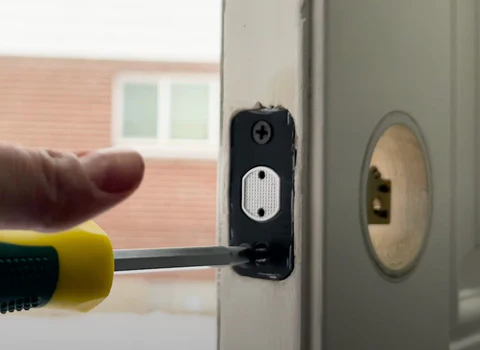
- Check for loose or faulty locks: A poorly installed or loose deadbolt can be easier for a child to manipulate. If you notice issues, refer to our guide on fixing a loose deadbolt.
Common Mistakes to Avoid When Securing Deadbolts
While it’s important to make your home safer, avoid these common pitfalls when implementing childproofing solutions:
- Relying solely on one method: Combining multiple strategies—such as a deadbolt cover and a high-mounted lock—offers better protection.
- Choosing the wrong product: Not all childproofing devices fit every deadbolt. Always measure and check compatibility before purchasing.
- Ignoring regular maintenance: A jammed or sticky lock can defeat the purpose of childproofing. For troubleshooting, refer to our deadbolt lock troubleshooting guide.
- Forgetting about emergency access: Make sure adults can quickly unlock the door in case of fire or other emergencies.
FAQ: Childproofing Deadbolt Locks
What is the easiest way to childproof a deadbolt?
The simplest approach is to use a deadbolt cover that fits over the thumbturn. These are easy to install and remove, making them ideal for renters or anyone seeking a quick solution.
Can smart locks help keep children from unlocking doors?
Yes, smart locks can be highly effective. They require a code, app, or biometric input to unlock, making it nearly impossible for young children to operate them without adult supervision.
Is it safe to install additional locks high on the door?
Adding a secondary lock out of a child’s reach is a common and safe practice. Just ensure that all adults in the home can access and operate the lock quickly in case of emergency.
Will childproofing a deadbolt affect its normal function?
Most childproofing devices are designed so that adults can still use the lock as intended. Always test the lock after installation to ensure it works smoothly for everyone in the household.
How often should I check my childproofing devices?
Inspect your locks and childproofing devices regularly—at least once a month—to ensure they remain secure and functional. Replace any worn or damaged components promptly.
By taking these steps, you can make your home safer for children without sacrificing security or convenience. For more information on maintaining and upgrading your locks, explore our related resources on how to align a deadbolt strike plate and other home security topics.