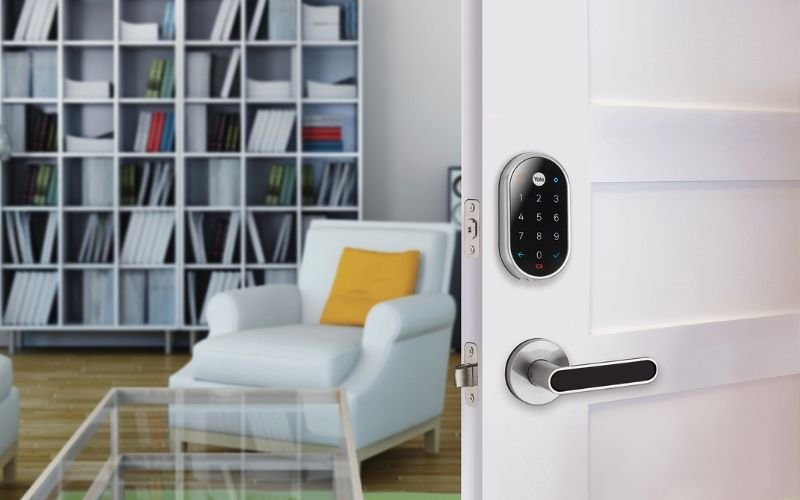
Maintaining your home’s security hardware is essential for both safety and convenience. Over time, deadbolt locks can become stiff, difficult to turn, or even jam completely. Regular lubrication is a simple yet effective way to keep these locks functioning smoothly and extend their lifespan. In this guide, you’ll learn how to lubricate a deadbolt lock properly, which products to use, and the steps to ensure reliable performance without damaging the mechanism.
Before you begin, it’s helpful to understand the basics of deadbolt maintenance. If you’re interested in learning more about lock ratings and safety, check out deadbolt lock grades explained for additional insights on choosing and caring for your locks.
Why Lubrication Matters for Deadbolts
Deadbolts are designed to provide strong resistance against forced entry, but their internal components are subject to wear and environmental factors. Dust, dirt, and moisture can accumulate inside the lock cylinder, leading to friction and corrosion. Without regular care, you may notice the key is harder to insert or turn, or the bolt doesn’t slide as easily.
Proper lubrication reduces friction, prevents rust, and ensures the lock operates reliably. This simple maintenance step can save you from costly repairs or emergency lockouts. For overall home security, maintaining your locks is as important as selecting the right hardware. For more tips, see our guide on deadbolt lock safety tips.
Choosing the Right Lubricant for Your Lock
Not all lubricants are suitable for locks. Using the wrong product can attract dirt or even damage the internal mechanism. Here’s what you need to know about selecting the best lubricant:
- Graphite Powder: Traditionally recommended for locks, graphite is a dry lubricant that doesn’t attract dust. However, it can be messy and isn’t always ideal for modern locks.
- Silicone-Based Sprays: These provide smooth operation and don’t leave sticky residues. They’re safe for most lock types and are easy to apply.
- PTFE (Teflon) Sprays: PTFE lubricants, such as Tri-Flow, are highly effective for deadbolts. They repel moisture and dirt, ensuring long-lasting performance.
- Avoid Oil-Based Products: WD-40 and similar oils can gum up the lock over time, attracting debris and causing more harm than good.
Always check the manufacturer’s recommendations for your specific lock model before applying any product.

Step-by-Step Guide: Lubricating Your Deadbolt
Follow these steps to ensure your lock operates smoothly and remains secure:
- Gather Your Supplies: You’ll need the appropriate lubricant (PTFE or silicone-based spray is recommended), a clean cloth, and your lock’s key.
- Clean the Exterior: Wipe down the outside of the lock and keyhole to remove any surface dirt or debris.
- Apply Lubricant to the Keyhole: Insert the spray nozzle or straw into the keyway. Apply a short burst of lubricant directly into the cylinder. Avoid over-spraying, as excess can drip or pool inside the lock.
- Work the Key: Insert your key and turn it several times to distribute the lubricant throughout the internal pins and tumblers. Remove the key and wipe off any residue.
- Lubricate the Bolt: With the door open, extend and retract the deadbolt several times. If possible, apply a small amount of lubricant to the bolt itself and the edge of the strike plate.
- Final Check: Test the lock’s operation with the door both open and closed. The key should insert and turn easily, and the bolt should slide smoothly.
Repeat this process every 6–12 months or whenever you notice stiffness or resistance. If problems persist after lubrication, you may need to address alignment issues—see our resource on how to align a deadbolt strike plate for more help.
Common Mistakes to Avoid When Lubricating Deadbolts
While lubricating a lock is straightforward, there are a few pitfalls to watch out for:
- Using the Wrong Lubricant: As mentioned, avoid oil-based products that can attract dirt and gum up the mechanism.
- Over-Lubricating: Too much lubricant can cause buildup inside the lock, leading to sticky operation or even jamming.
- Neglecting the Bolt: Don’t forget to lubricate the moving parts of the bolt and strike plate, not just the keyway.
- Ignoring Persistent Issues: If the lock remains difficult to operate after lubrication, there may be a mechanical problem or misalignment that needs attention. In such cases, refer to our guide on how to fix a loose deadbolt for troubleshooting steps.

Additional Tips for Maintaining Deadbolt Performance
Beyond regular lubrication, there are other steps you can take to keep your locks in top condition:
- Keep Keys Clean: Dirt and debris on your keys can transfer into the lock cylinder. Wipe keys regularly to prevent buildup.
- Check Alignment: If the bolt doesn’t slide smoothly, the door or strike plate may be misaligned. Adjust as needed to prevent unnecessary wear.
- Inspect for Wear: Look for signs of rust, corrosion, or damage. Address issues promptly to avoid lock failure.
- Upgrade When Needed: If your lock is old or consistently problematic, consider replacing it with a high-quality model. For recommendations, see our article on the best deadbolt for rental properties.
For a broader perspective on how locks contribute to home safety, you might find this overview of how locks increase home security helpful.
Frequently Asked Questions
What is the best lubricant for deadbolt locks?
The most recommended products are PTFE (Teflon) or silicone-based sprays. These lubricants provide smooth operation, repel moisture, and do not attract dust or dirt. Avoid using oil-based products like WD-40, as they can cause buildup inside the lock.
How often should I lubricate my deadbolt?
It’s a good idea to lubricate your lock every 6 to 12 months, or whenever you notice increased resistance or stiffness. Environmental factors such as humidity, dust, and frequent use may require more frequent maintenance.
Can I use graphite powder on modern deadbolts?
While graphite powder has been a traditional choice, it can be messy and isn’t always ideal for newer lock designs. PTFE or silicone-based sprays are generally safer and more effective for most contemporary deadbolts.
Conclusion
Regularly lubricating your deadbolt is a simple, cost-effective way to ensure reliable security and smooth operation. By choosing the right lubricant and following the proper steps, you can prevent common issues and extend the life of your locks. Remember to inspect your hardware periodically and address any problems promptly to keep your home safe and secure.