Home security is a top priority for homeowners, and the type of locks you choose can have a direct impact on both your peace of mind and your insurance policy. Many people wonder how installing a deadbolt lock can influence their home insurance coverage, premiums, and claims. Understanding the relationship between these security devices and your insurance policy can help you make informed decisions that protect both your property and your wallet.
In this guide, we’ll explore how deadbolts are viewed by insurance companies, what types of locks are preferred, and how you can maximize your security benefits. We’ll also address common questions and provide practical tips for homeowners looking to upgrade their locks and potentially save on insurance costs.
For those interested in additional ways to strengthen entry points, you might want to read about the best door reinforcement for deadbolts to further boost your home’s security.
How Deadbolt Locks Affect Your Home Insurance Policy
Insurance providers assess risk when determining your policy terms and premium rates. One of the factors they consider is the level of security your home provides against break-ins. A deadbolt lock is widely recognized as a strong deterrent to burglars and is often preferred over standard spring-latch locks. As a result, homes equipped with quality deadbolts may be considered lower risk by insurers.
Some insurance companies offer discounts on your premium if you have approved deadbolts installed on all exterior doors. The logic is straightforward: the harder it is for a thief to enter your home, the less likely you are to file a claim for theft or property damage. However, the type and grade of deadbolt you install can also play a role in how much of a discount you receive.

Types of Deadbolt Locks and Insurance Requirements
Not all deadbolts are created equal. Insurers may specify certain requirements for locks to qualify for discounts or to meet policy standards. Here are the most common types:
- Single-cylinder deadbolts: Operated with a key from the outside and a thumb turn from the inside. These are the most popular for residential use.
- Double-cylinder deadbolts: Require a key to operate from both sides. These are sometimes required for doors with glass panels, but they can pose safety risks in emergencies.
- Smart deadbolts: Electronic locks that may or may not meet insurance criteria, depending on the model and features.
Insurance companies often require deadbolts to meet specific standards, such as those set by the American National Standards Institute (ANSI). For more on lock grades and what they mean for security, see the ANSI lock grade guide.
Deadbolt Lock and Home Insurance Discounts
Many homeowners are eligible for insurance discounts simply by upgrading to high-quality deadbolts. These discounts can range from 2% to 10% off your annual premium, depending on your insurer and location. To qualify, you may need to provide proof of installation or have an inspection to verify the type of locks installed.
It’s important to note that discounts are not automatic. You’ll need to notify your insurance provider after installing new locks and ask about available security-related discounts. Some insurers also offer additional savings for homes with security systems, window locks, and reinforced doors.

Choosing the Right Deadbolt for Insurance and Security
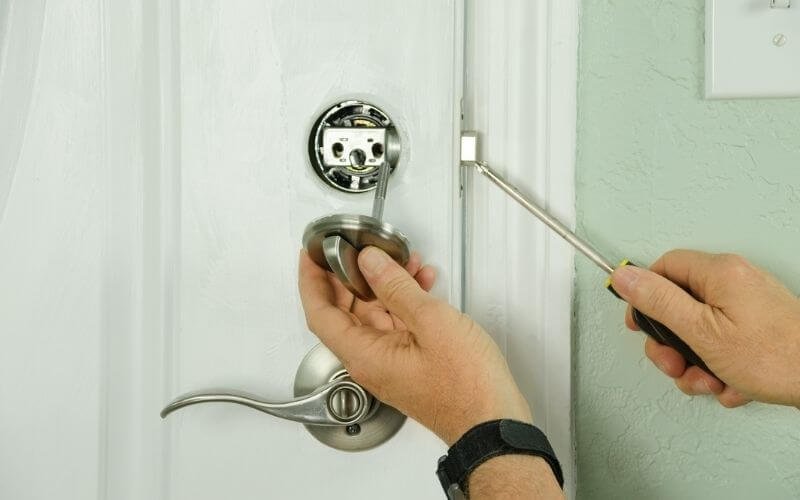
When selecting a deadbolt, look for models that meet or exceed ANSI Grade 1 or 2 standards. Grade 1 deadbolts offer the highest level of residential security and are often favored by insurance companies. Features to consider include:
- Solid metal construction for durability
- Long bolt throw (at least one inch)
- Reinforced strike plates and mounting hardware
- Resistance to picking, drilling, and bumping
If you’re unsure about the best option for your home, consult a locksmith or review resources that explain deadbolt lock myths explained to separate fact from fiction.
What Insurance Companies Look For in Home Security
Insurance providers typically check for the following when assessing your home’s security:
- Presence of deadbolts on all exterior doors
- Quality and grade of the locks
- Additional security measures (alarms, cameras, reinforced frames)
- Proper installation and maintenance
Some policies may require you to maintain these security features throughout the policy period. Failure to do so could affect your coverage or claims eligibility.
Common Mistakes to Avoid with Deadbolt Locks and Insurance
To maximize your insurance benefits and security, avoid these common pitfalls:
- Assuming any deadbolt qualifies for a discount—always check your insurer’s requirements.
- Neglecting to inform your insurance company after upgrading your locks.
- Installing deadbolts incorrectly, which can void their effectiveness and your eligibility for discounts.
- Overlooking other entry points, such as garage doors or sliding doors, which may also need deadbolts or additional security.
Regular maintenance and prompt repairs are also essential. For troubleshooting tips, see the deadbolt lock troubleshooting guide.
Additional Resources on Deadbolt Lock and Home Insurance
If you want to dive deeper into the types and benefits of deadbolts, check out this comprehensive guide to deadbolt lock types and benefits. This resource covers the pros and cons of various lock designs and can help you make an informed choice for your home.
FAQ: Deadbolt Locks and Home Insurance
Do all insurance companies offer discounts for deadbolt locks?
No, not every insurer provides discounts for deadbolt installations. However, many major providers do recognize the added security and may offer reduced premiums. Always check with your specific insurance company to confirm their policy and requirements.
What documentation do I need to provide to my insurer after installing deadbolts?
Most insurance companies will ask for proof of purchase or installation, such as a receipt or invoice. Some may require photos or an inspection to verify that the locks meet their standards. Keep all relevant documentation in case you need to submit it for a discount or claim.
Can installing a smart deadbolt affect my insurance?
Smart deadbolts can enhance convenience and security, but not all insurers recognize them for discounts. It depends on the model’s security features and whether it meets the insurer’s criteria. Always consult your insurance provider before installing a smart lock if you’re hoping for a premium reduction.
Are there other ways to improve home security for insurance purposes?
Yes, in addition to deadbolts, consider installing monitored alarm systems, security cameras, window locks, and reinforced doors. These measures can further reduce your risk and may qualify you for additional insurance savings.
Conclusion
Upgrading to a high-quality deadbolt can be a smart move for both security and insurance savings. By understanding what insurers look for and ensuring your locks meet their standards, you can protect your home and potentially lower your premiums. Always communicate with your insurance provider about any security upgrades, and keep documentation on hand. For more tips on keeping your home safe, explore resources on lock grades, reinforcement, and childproofing, such as how to childproof a deadbolt. Taking these steps will help you get the most value from your investment in home security.