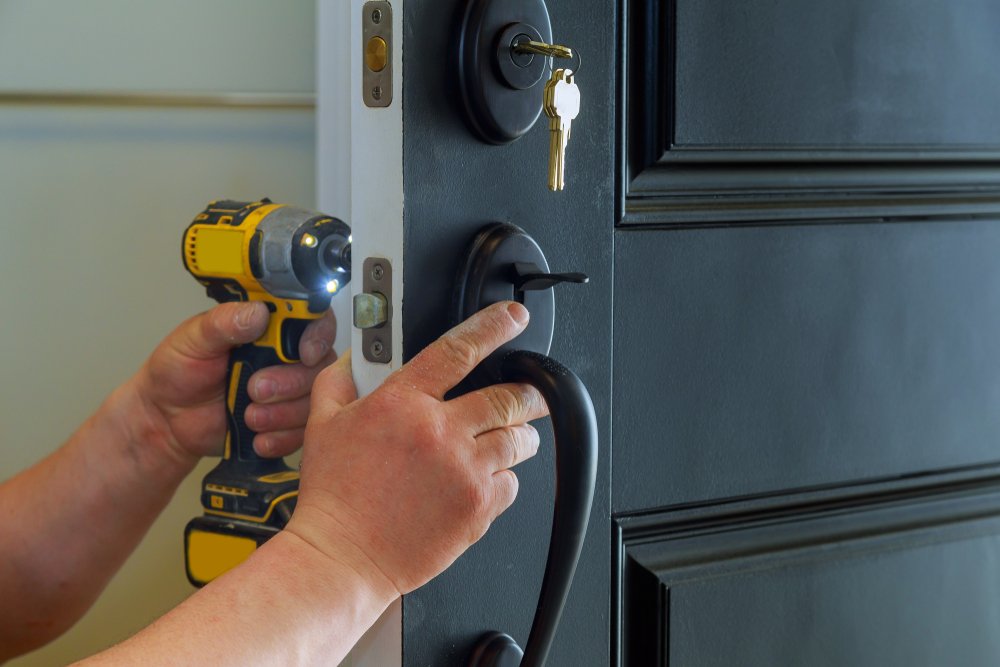
Securing your home is a top priority, and the technology behind door locks has evolved significantly in recent years. Traditional keyed deadbolts have served households for decades, but many homeowners are now considering the advantages of switching to electronic deadbolts. These modern locking systems offer a range of features that go beyond basic security, providing convenience, flexibility, and peace of mind.
Understanding the electronic deadbolt benefits can help you make an informed decision about upgrading your home’s entry points. Whether you’re looking to enhance your property’s safety, streamline access for family members, or simply keep up with smart home trends, electronic deadbolts present a compelling case for change.
Before diving into the specific advantages, it’s important to recognize how electronic deadbolts fit into the broader landscape of home security. For those interested in how these locks can impact insurance or common installation pitfalls, you may want to explore topics like deadbolt lock and home insurance for additional insights.
Enhanced Security Features of Electronic Deadbolts
One of the most significant electronic deadbolt benefits is the improvement in security. Unlike traditional locks, electronic models often include advanced features designed to deter unauthorized entry and withstand tampering.
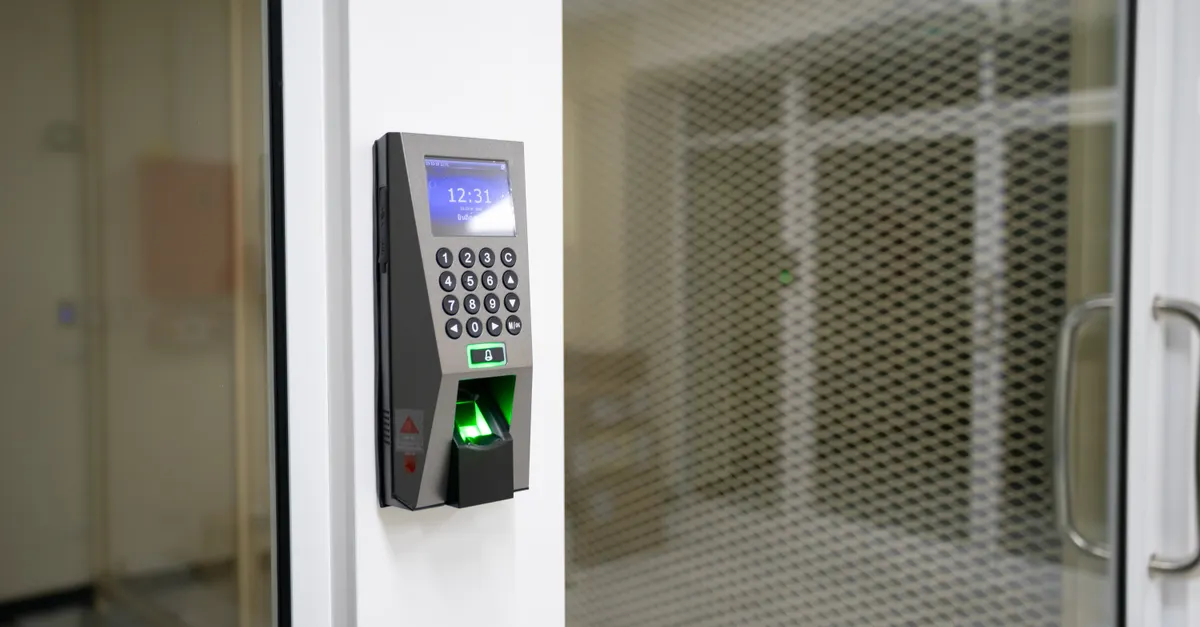
- Keyless Entry: Many electronic deadbolts allow you to unlock your door using a PIN code, fingerprint, or smartphone app, eliminating the risk of lost or stolen keys.
- Auto-Locking: Some models automatically lock after a set period, reducing the chance of accidentally leaving your door unsecured.
- Alarm Integration: Electronic deadbolts can be connected to home security systems, triggering alarms if someone attempts forced entry or enters an incorrect code multiple times.
- Audit Trails: Certain smart locks keep a log of who enters and when, which can be useful for monitoring access or investigating suspicious activity.
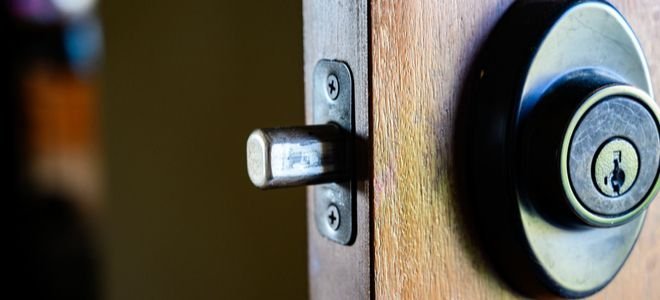
For those concerned about vulnerabilities, understanding how burglars bypass weak locks can highlight why upgrading to an electronic model may be a smart move.
Convenience and Flexibility for Everyday Life
Beyond security, electronic deadbolts are designed to make daily routines easier. The ability to manage access without physical keys is a major draw for busy households and those who frequently host guests or service providers.
- Remote Access: Many smart deadbolts can be controlled via smartphone, allowing you to lock or unlock your door from anywhere with an internet connection.
- Customizable Codes: Assign unique codes to family members, friends, or cleaners, and delete them when no longer needed.
- Temporary Access: Grant time-limited entry to visitors or contractors without handing over a physical key.
- Integration with Smart Home Systems: Electronic deadbolts often work seamlessly with platforms like Alexa, Google Home, or Apple HomeKit, enabling voice control and automation.
For a detailed look at top-rated smart locks and their features, consider reading this comprehensive review of the best smart locks by experts.
Improved Control and Monitoring Capabilities
Another key advantage of electronic deadbolts is the ability to monitor and control your home’s entry points in real time. This level of oversight is especially valuable for parents, landlords, or anyone who wants to keep tabs on who is coming and going.
- Notifications and Alerts: Receive instant alerts on your phone when someone unlocks the door or if the lock is tampered with.
- Access Logs: Review a history of entries and exits, which can be helpful for managing rental properties or ensuring children arrive home safely.
- Integration with Cameras: Some systems allow you to pair your deadbolt with a doorbell camera, providing visual confirmation of visitors.
These monitoring features offer reassurance, especially when you’re away from home for extended periods.
Reducing Common Lock Problems and Maintenance
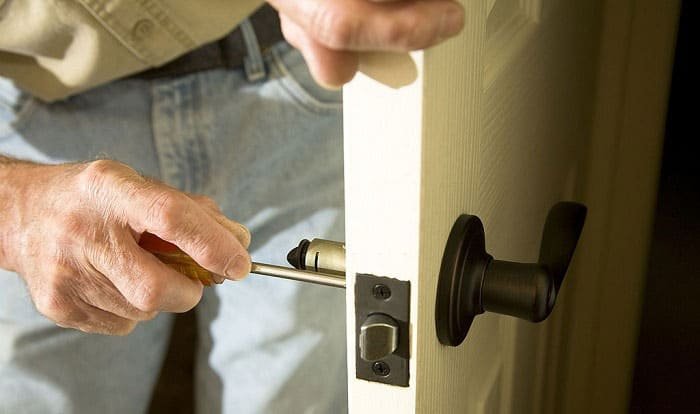
Mechanical locks are prone to wear and tear, which can lead to jamming, broken keys, or the need for frequent rekeying. Electronic deadbolts minimize these issues by reducing reliance on moving parts and physical keys.
- Less Wear: With fewer mechanical components, electronic locks often last longer and require less maintenance.
- No Rekeying Needed: If you need to change access, simply update the code or user permissions—no locksmith required.
- Weather Resistance: Many electronic models are designed to withstand harsh weather, reducing the risk of malfunction due to rust or freezing.
Proper installation is crucial for maximizing these benefits. To avoid common pitfalls, check out advice on deadbolt installation mistakes to avoid for better security.
Potential Drawbacks and Considerations
While the advantages are clear, it’s important to weigh potential downsides before making the switch. Electronic deadbolts require batteries or a power source, and some models may be vulnerable to hacking if not properly secured. Here are a few points to keep in mind:
- Battery Life: Most electronic deadbolts run on batteries that need periodic replacement. Many models provide low-battery alerts to prevent lockouts.
- Power Outages: Some locks have backup key options or emergency power solutions, but it’s wise to check before purchasing.
- Cybersecurity: Choose reputable brands and update firmware regularly to minimize digital security risks.
- Initial Cost: Electronic deadbolts typically cost more upfront than basic mechanical locks, but the added features may justify the investment.
For more on separating fact from fiction when it comes to lock technology, see deadbolt lock myths explained.
Making the Switch: Is an Electronic Deadbolt Right for You?
Upgrading to an electronic deadbolt can be a smart move for many homeowners, renters, and property managers. The combination of enhanced security, convenience, and control makes these locks a popular choice for modern living. However, it’s essential to consider your specific needs, budget, and willingness to maintain the technology.
If you value the ability to manage access remotely, reduce the hassle of lost keys, and monitor your home’s entry points, an electronic deadbolt is likely to be a worthwhile investment. For those who prefer traditional locks, reinforcing your doors and understanding how to boost security can still provide peace of mind. You might also explore options for the best door reinforcement for deadbolts to further enhance your home’s defenses.
Frequently Asked Questions
Are electronic deadbolts as secure as traditional locks?
Yes, many electronic deadbolts are designed to meet or exceed the security standards of traditional mechanical locks. They often include additional features such as alarms, auto-locking, and tamper alerts. However, the overall security depends on the quality of the lock, proper installation, and how well you manage access codes or credentials.
What happens if the battery dies on my electronic deadbolt?
Most electronic deadbolts provide low-battery warnings well in advance. If the battery does die, many models offer backup options such as a physical key, a 9V battery terminal for emergency power, or the ability to unlock via a connected app if the lock is part of a smart home system. Always check the manufacturer’s instructions for your specific model.
Can electronic deadbolts be hacked?
Like any device connected to the internet or using wireless technology, electronic deadbolts can be vulnerable to hacking if not properly secured. To reduce risk, choose reputable brands, keep firmware updated, use strong passwords, and enable security features such as two-factor authentication where available.