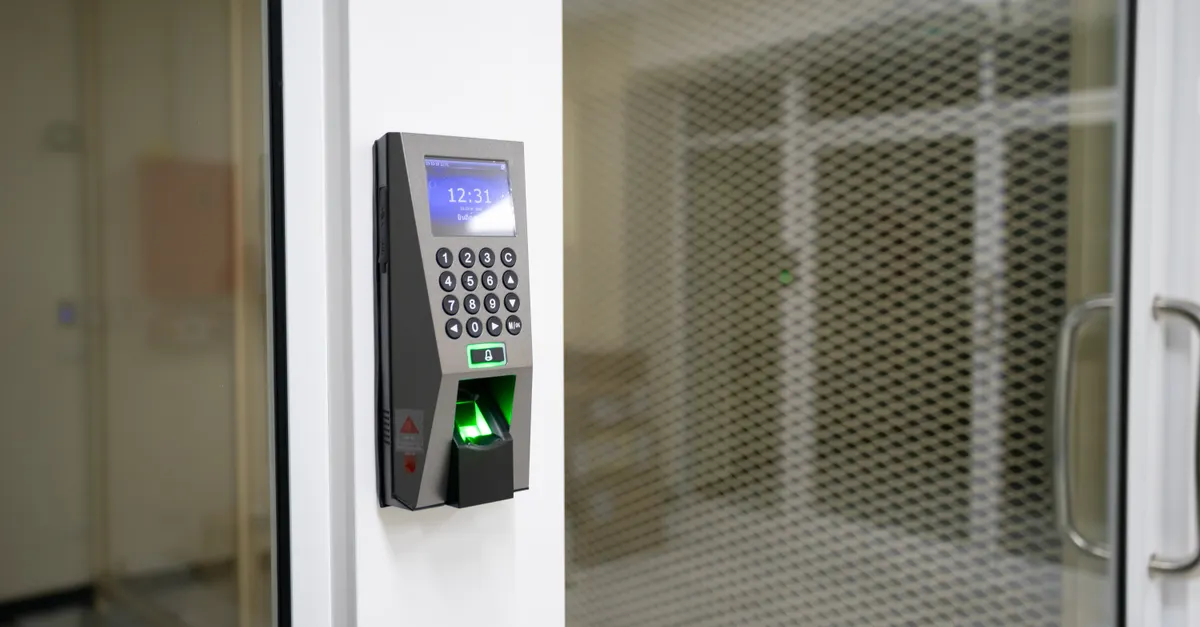
As connected devices become more common in modern homes, many people are considering upgrading their traditional locks to smart deadbolts. These advanced locks offer features like remote access, keyless entry, and integration with home automation systems. However, with these benefits come important smart deadbolt security concerns that every homeowner should understand before making the switch.
Understanding the potential risks and how to mitigate them is essential for protecting your home and loved ones. This article explores the most pressing issues related to digital deadbolt locks, practical steps to improve your security, and how to make informed decisions when choosing a smart lock for your property.
Before diving into the technical aspects, it’s helpful to understand the broader context of electronic locks. For a detailed overview of their advantages, you might find electronic deadbolt benefits useful as a starting point.
Understanding the Main Risks of Digital Deadbolts
While smart locks can enhance convenience and control, they also introduce new vulnerabilities. Here are the primary smart deadbolt security concerns facing homeowners today:
- Hacking and Remote Attacks: Internet-connected locks can be targeted by hackers who exploit software flaws or weak passwords to gain unauthorized access.
- Bluetooth and Wi-Fi Vulnerabilities: Many smart locks use wireless protocols that, if not properly secured, can be intercepted or spoofed by attackers nearby.
- Physical Bypass Methods: Some models may still be susceptible to traditional lockpicking or brute force attacks, especially if the hardware is not robust.
- Privacy and Data Exposure: Smart locks often collect usage data, which could be exposed if the manufacturer experiences a data breach.
It’s important to note that not all smart locks are created equal. Some are designed with advanced security features, while others may cut corners to reduce costs. Researching and choosing a reputable brand is a crucial first step in minimizing risks.
How Hackers Target Smart Locks
One of the most significant smart deadbolt security concerns is the risk of cyberattacks. Hackers use a variety of methods to compromise these devices, including:
- Brute Force Attacks: Automated tools can rapidly guess PIN codes or passwords, especially if users choose weak combinations.
- Replay Attacks: Malicious actors can intercept wireless signals and replay them to unlock the door.
- Firmware Exploits: Outdated or poorly maintained software can contain vulnerabilities that allow attackers to take control of the lock remotely.
To reduce these risks, always update your lock’s firmware and use strong, unique passwords. Many manufacturers release security patches to address newly discovered vulnerabilities, so enabling automatic updates is recommended when available.
Physical Security Remains Essential
Despite the focus on digital threats, physical attacks are still a concern. Some smart deadbolts may have mechanical weaknesses that can be exploited by burglars. For example, if the lock’s housing is made from low-quality materials, it could be forced open with tools.
Proper installation is also critical. Even the most advanced lock can be compromised if it is not installed correctly or if the door and frame are weak. For tips on avoiding common pitfalls, see this guide on deadbolt installation mistakes to avoid.
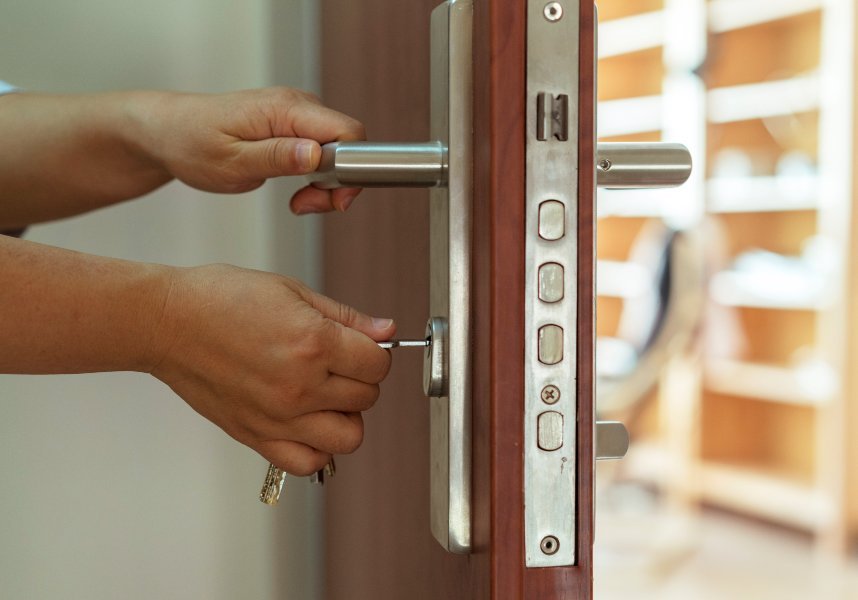
Additionally, reinforcing your door and frame can provide an extra layer of protection. For more on this topic, check out advice on best door reinforcement for deadbolts to ensure your entry points are as secure as possible.
Protecting Your Privacy and Data
Many smart locks collect information such as access logs, user codes, and integration data with other smart home devices. If this data is not properly secured, it could be accessed by unauthorized parties, potentially exposing your daily routines or even when your home is unoccupied.
To protect your privacy:
- Review the manufacturer’s privacy policy and data handling practices.
- Opt for devices that offer end-to-end encryption for both data storage and transmission.
- Limit the number of users and integrations to only those that are necessary.
Being cautious about which apps and devices you connect to your smart lock can help reduce the risk of data exposure.
Choosing a Secure Smart Deadbolt
When shopping for a smart lock, prioritize security features over convenience alone. Look for models that have:
- Strong encryption for wireless communication (such as AES-128 or higher).
- Two-factor authentication for user access.
- Automatic firmware updates and a history of prompt security patches.
- Physical security certifications, such as ANSI/BHMA Grade 1 or 2 ratings.
For a comparison of top-rated electronic locks, you can consult this guide to the best electronic deadbolts from a trusted home improvement publication.
Best Practices for Homeowners
To address smart deadbolt security concerns effectively, consider the following best practices:
- Use Strong, Unique Passwords: Avoid default codes and update them regularly.
- Enable Two-Factor Authentication: This adds an extra layer of protection beyond just a password or PIN.
- Keep Software Updated: Regularly check for firmware updates and install them promptly.
- Monitor Access Logs: Review who has accessed your lock and when, and revoke access for users you no longer trust.
- Secure Your Wi-Fi Network: Use a strong password and consider setting up a separate network for smart home devices.
- Reinforce Physical Security: Install your lock on a solid door with a reinforced frame and strike plate.
Combining digital and physical security measures is the most effective way to safeguard your home.
Common Myths About Digital Lock Security
There are several misconceptions about electronic locks that can lead to a false sense of security or unnecessary worry. For example, some believe that all smart locks are easy to hack, while others think they are immune to physical attacks. For a deeper look at these topics, see deadbolt lock myths explained.
It’s important to separate fact from fiction and base your decisions on reliable information and expert advice.
Frequently Asked Questions
Are smart deadbolts safer than traditional locks?
Smart locks can offer enhanced security features, such as remote monitoring and access control, but they also introduce new risks like hacking and software vulnerabilities. The overall safety depends on the quality of the lock, how it’s installed, and whether best practices are followed.
Can a smart lock be hacked remotely?
Yes, if a smart lock is not properly secured or updated, it can be vulnerable to remote attacks. Using strong passwords, enabling two-factor authentication, and keeping firmware updated are essential steps to reduce this risk.
What should I do if my smart lock stops working or loses power?
Most smart deadbolts include a backup key or emergency power option, such as a 9V battery terminal. Always familiarize yourself with these features and keep a physical key accessible in case of emergencies.
Conclusion
Smart locks provide a blend of convenience and advanced features, but they also come with unique smart deadbolt security concerns that homeowners must address. By understanding the risks, choosing secure products, and following best practices, you can enjoy the benefits of modern access control while keeping your home safe. Stay informed, stay vigilant, and always prioritize both digital and physical security for complete peace of mind.