Securing your home starts with choosing the right locks for your doors. Among all available options, deadbolt locks remain one of the most effective and reliable ways to deter intruders and safeguard your property. This residential deadbolt lock guide breaks down everything you need to know about selecting, installing, and maintaining deadbolts for your home. Whether you’re upgrading your current security or moving into a new house, understanding the essentials of deadbolt locks can make a significant difference in your peace of mind.
Before diving into the details, it’s important to consider not only the type of deadbolt but also how environmental factors and local regulations might affect your choice. For example, if you live in an area with extreme weather or high humidity, you may want to explore specialized options and maintenance tips. For more information on compliance and best practices, see deadbolt lock codes and regulations to ensure your installation meets local standards.
Understanding Deadbolt Locks for Homes
Deadbolts are a cornerstone of residential security. Unlike spring bolt locks, which rely on a spring to hold the bolt in place, deadbolts require a key or thumb turn to open and close. This makes them much harder to force open, providing a robust barrier against break-ins.
There are several types of deadbolts commonly used in homes:
- Single-cylinder deadbolts: Operated with a key from the outside and a thumb turn from the inside. These are the most popular choice for residential doors.
- Double-cylinder deadbolts: Require a key for both sides, offering extra security but potentially posing a safety risk in emergencies.
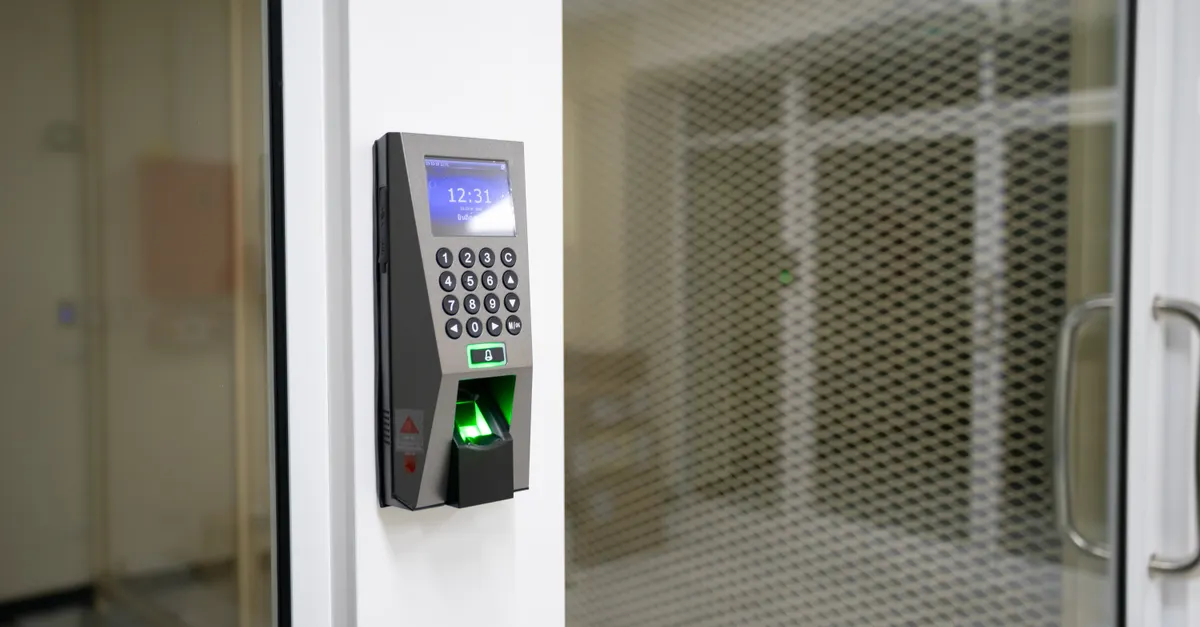
- Keyless or smart deadbolts: Use electronic keypads, biometrics, or smartphone integration for access, combining convenience with security.
Each type has its own advantages and is suited to different needs. For example, keyless options are ideal for families who want to avoid lost keys, while double-cylinder models may be better for doors with glass panels.
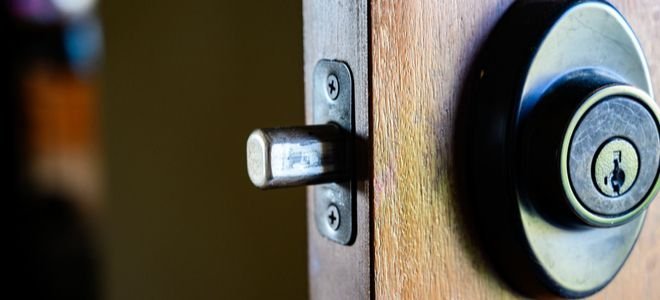
Key Features to Look for in a Quality Deadbolt
When selecting a deadbolt for your home, there are several important features to consider. A high-quality deadbolt should offer more than just a sturdy appearance. Here are the main factors to keep in mind:
- Material and construction: Look for solid metal construction, such as hardened steel or brass, to resist tampering and forced entry.
- ANSI/BHMA grading: Deadbolts are graded by the American National Standards Institute (ANSI) and Builders Hardware Manufacturers Association (BHMA). Grade 1 is the highest, offering the best security for residential use.
- Throw length: The bolt should extend at least one inch into the door frame for maximum strength.
- Drill and pick resistance: Features like anti-drill plates and complex keyways help prevent lock picking and drilling attacks.
- Weather resistance: If your door is exposed to the elements, choose a lock with corrosion-resistant finishes and seals.
For those living in areas with harsh climates, consider reviewing deadbolt lock for extreme weather to find models specifically designed to withstand temperature extremes and moisture.
Installation Tips for Homeowners
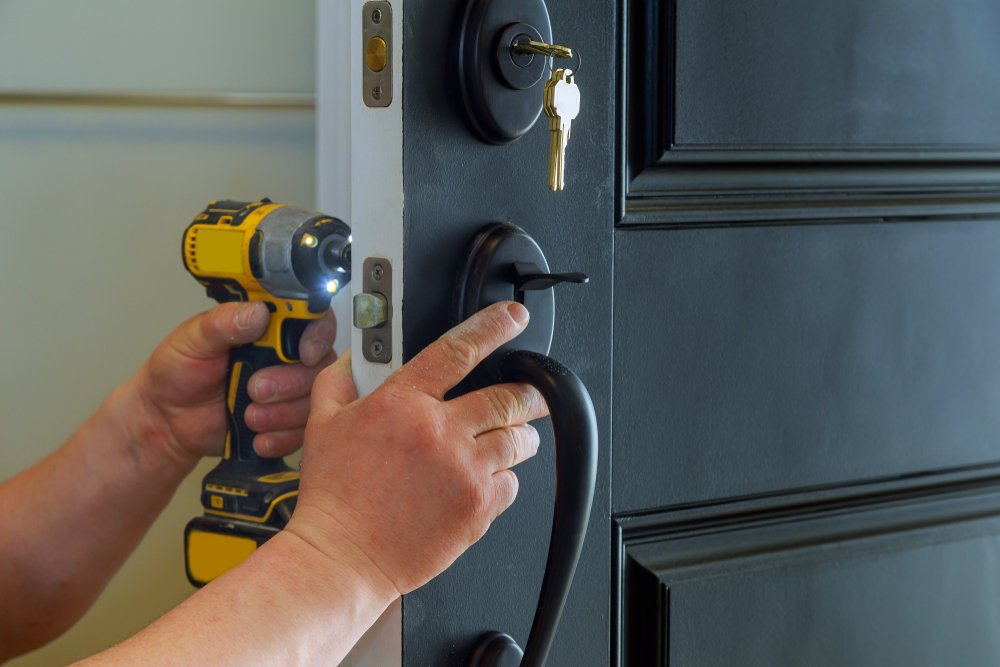
Proper installation is crucial for a deadbolt to function effectively. Even the best lock can be compromised if not installed correctly. Here are some practical tips for homeowners:
- Ensure the lock aligns perfectly with the strike plate on the door frame. Misalignment can weaken the lock’s effectiveness.
- Use long screws (at least 3 inches) to secure the strike plate into the wall stud, not just the door jamb.
- Follow the manufacturer’s instructions closely, especially for smart or keyless models.
- Test the lock after installation to confirm smooth operation and full bolt extension.
If you encounter issues like sticking or freezing, seasonal changes may be to blame. Learn about how humidity affects door locks and ways to prevent related damage.
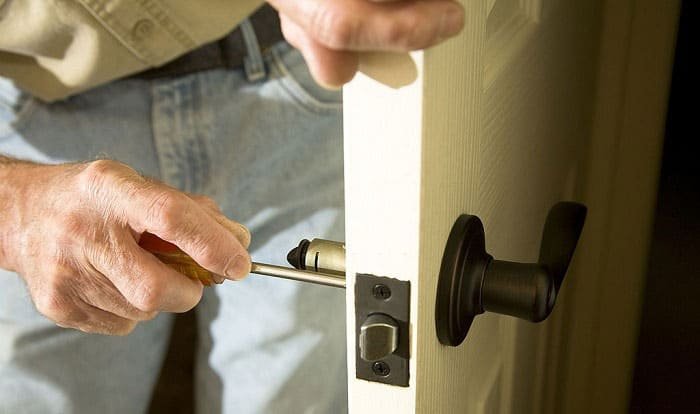
Smart Deadbolts and Modern Security Options
Technology has brought new options to residential door security. Smart deadbolts allow homeowners to control access using keypads, smartphones, or even voice commands. These locks often come with features like temporary codes for guests, activity logs, and remote locking/unlocking.
For a detailed comparison of the latest high-tech options, check out this comprehensive review of the best smart locks. These resources can help you decide if a smart deadbolt is the right fit for your lifestyle and security needs.
While smart locks offer convenience, it’s important to choose models with strong encryption and regular firmware updates to minimize the risk of hacking.
Maintenance and Troubleshooting for Deadbolts
Regular maintenance keeps your deadbolt functioning smoothly and extends its lifespan. Here are some essential maintenance tips:
- Lubricate the lock mechanism with graphite or a lock-specific lubricant every six months.
- Check for rust or corrosion, especially on exterior locks. If you notice any, refer to rusted deadbolt repair tips for guidance on restoring your lock’s function.
- Inspect the strike plate and screws periodically to ensure they remain tight and secure.
- Address any sticking or freezing promptly. For cold climates, see frozen deadbolt lock fixes for quick solutions.
By following these steps, you can prevent common issues and ensure your deadbolt continues to provide reliable protection.
Frequently Asked Questions
What is the difference between a single-cylinder and double-cylinder deadbolt?
A single-cylinder deadbolt uses a key on the outside and a thumb turn on the inside, making it convenient for everyday use. A double-cylinder deadbolt requires a key on both sides, which can enhance security but may pose a safety risk in emergencies since you need a key to exit.
How do I know if my deadbolt is secure enough?
Check the ANSI/BHMA grade of your deadbolt—Grade 1 offers the highest level of security for residential use. Also, ensure the bolt extends at least one inch into the door frame and that the strike plate is secured with long screws into the wall stud.
Are smart deadbolts as secure as traditional locks?
Smart deadbolts can be just as secure as traditional models if you choose a reputable brand with strong encryption and keep the firmware updated. They also offer added convenience, such as remote access and temporary codes for guests.