When temperatures drop, homeowners often encounter the frustrating problem of a deadbolt that refuses to budge. Cold weather can cause moisture inside locks to freeze, leaving you locked out or struggling to secure your door. Understanding the most effective frozen deadbolt lock fixes can save you time, stress, and even prevent costly locksmith visits. This article covers practical solutions, prevention strategies, and expert advice to help you deal with stuck locks during winter.
If you’re interested in a deeper look at how seasonal changes impact your locks, check out our guide on how weather affects deadbolt locks for more insights and preventative tips.
Why Deadbolts Freeze in Winter
Before diving into solutions, it’s helpful to understand why deadbolts freeze. Cold air causes condensation and moisture to accumulate inside the lock mechanism. When temperatures drop below freezing, this moisture solidifies, making it difficult or impossible to turn the key. In some cases, the metal components themselves contract, adding to the problem.
Common causes include:
- Rain or snow entering the keyway and freezing overnight
- High humidity inside the lock body
- Worn weatherstripping allowing drafts and moisture inside
- Old or poorly lubricated locks
Understanding these causes helps you choose the right frozen deadbolt lock fixes and prevent future issues.
Immediate Steps to Unfreeze a Deadbolt
If you find yourself locked out or unable to turn your key, try these quick remedies to get your door open safely:
1. Use a Lock De-Icer
Lock de-icers are designed specifically for this problem. They typically contain alcohol or other solvents that melt ice quickly without damaging the lock. Insert the nozzle into the keyhole and spray, then wait a few seconds before trying your key again.
2. Warm the Key
Another simple method is to gently heat your key with a lighter or hair dryer (if you have access to one). Once warm, insert the key into the lock and slowly turn it. The heat can help melt the ice inside the mechanism.
3. Apply Rubbing Alcohol
If you don’t have a commercial de-icer, rubbing alcohol can work in a pinch. Dip your key in alcohol or use a small dropper to apply it directly into the keyhole. Alcohol lowers the freezing point of water and can help thaw the ice quickly.
4. Avoid Excessive Force
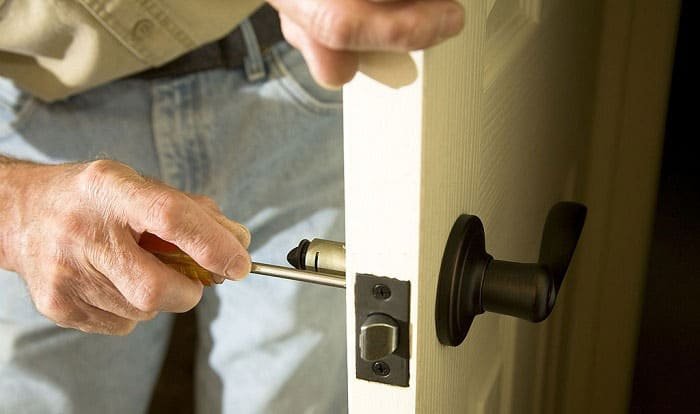
Never force the key or handle, as this can break the key or damage the lock cylinder. If the lock remains stuck after trying these methods, wait a few minutes and repeat the process. Patience is key to avoiding further damage.
Preventing Frozen Deadbolts: Proactive Measures
Once you’ve resolved the immediate problem, it’s wise to take steps to prevent future freezing. Here are some effective strategies:
- Lubricate the Lock: Use a graphite-based lubricant or a silicone spray to keep the lock mechanism moving smoothly. Avoid oil-based products, as they can attract dirt and gum up the lock over time.
- Install Weatherstripping: Proper weatherstripping around doors keeps moisture and cold air out, reducing the risk of ice forming inside the lock.
- Cover the Lock: Use a lock cover or shield to protect the keyway from rain, snow, and ice. These are inexpensive and easy to install.
- Check for Gaps: Inspect your door and frame for gaps where water could seep in. Seal any openings with caulk or foam insulation.
Taking these steps can dramatically reduce the chances of your deadbolt freezing again.
Choosing the Right Deadbolt for Cold Climates
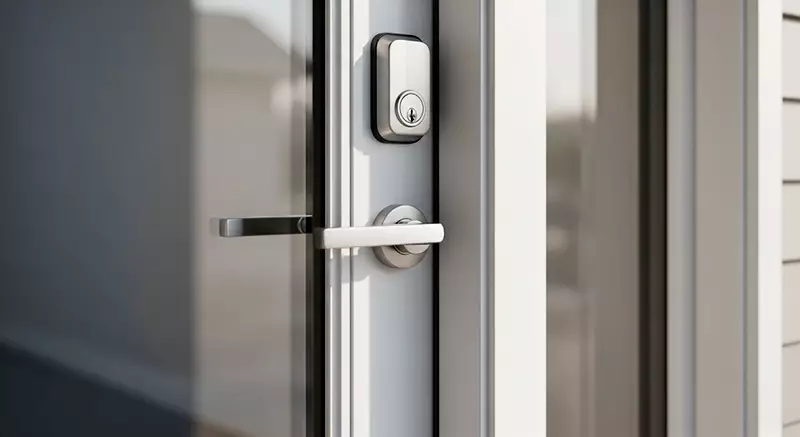
If you live in an area with harsh winters, consider upgrading to a lock designed for extreme weather. Some deadbolts are built with weather-resistant materials and sealed mechanisms to prevent moisture intrusion. For more information on the different types of deadbolts available, see this comprehensive overview of deadbolt lock types.
When to Call a Locksmith
Most frozen deadbolt lock fixes can be handled with the methods above. However, there are situations where professional help is necessary:
- The key breaks off inside the lock
- The lock remains stuck after multiple attempts to thaw it
- You notice visible damage or the lock spins freely without engaging
In these cases, a locksmith can safely open the door and repair or replace the lock as needed. Attempting to force the lock may cause more expensive damage in the long run.
Smart Locks and Electronic Deadbolts in Cold Weather
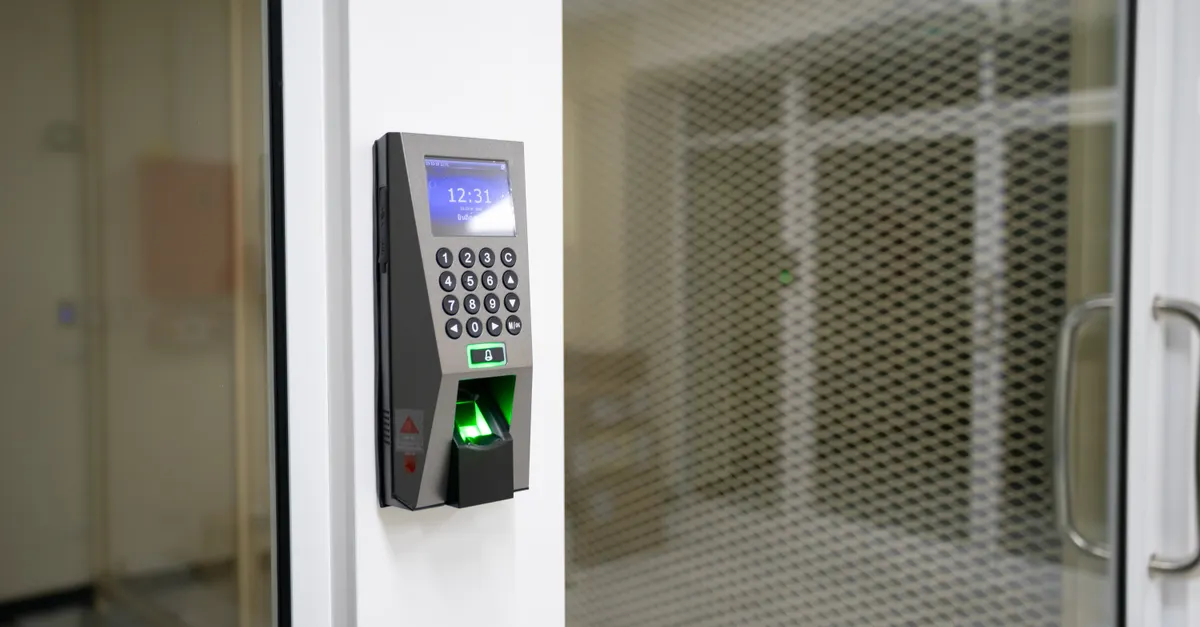
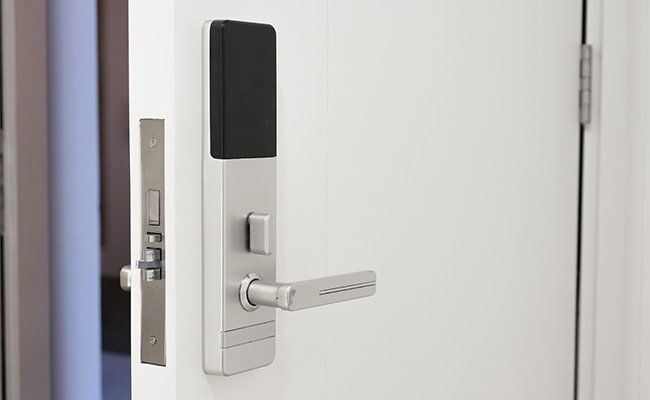
Electronic and smart deadbolts are increasingly popular, but they are not immune to winter issues. Battery performance can suffer in low temperatures, and moisture can still freeze moving parts. If you use a keypad or smart lock, keep spare batteries on hand and regularly check for firmware updates that may improve cold-weather performance. For troubleshooting tips, see our guide on keypad deadbolt troubleshooting and advice on common smart lock issues.
Frequently Asked Questions
What should I avoid when trying to unfreeze a deadbolt?
Avoid pouring hot water on the lock, as this can cause rapid temperature changes that may crack the metal or introduce more moisture, leading to future freezing. Also, never use excessive force, which can break the key or damage the lock cylinder.
Can I use WD-40 to fix a frozen deadbolt?
While WD-40 can temporarily displace moisture, it is not recommended for long-term lubrication of locks. It can attract dirt and gum up the mechanism. Use a graphite-based or silicone lubricant instead for ongoing maintenance.
How can I prevent my deadbolt from freezing next winter?
Regularly lubricate the lock, install weatherstripping, and consider using a lock cover to keep moisture out. Upgrading to a weather-resistant deadbolt can also help prevent freezing in harsh climates.
Conclusion
Dealing with a stuck lock during winter is a common challenge, but with the right frozen deadbolt lock fixes, you can resolve the issue quickly and prevent it from happening again. Remember to use gentle thawing methods, avoid force, and take proactive steps to protect your locks from the elements. With a little preparation, you can keep your home secure and accessible all winter long.