Deadbolt locks are a crucial part of home security, but many homeowners are surprised to learn just how much the environment can impact their performance. From freezing temperatures to humid summers, the elements can cause issues ranging from sticky keys to jammed mechanisms. Understanding how weather affects deadbolt locks is essential for keeping your doors secure and ensuring your locks last as long as possible.
In this guide, we’ll explore the most common ways weather can impact your deadbolts, signs of trouble to watch for, and practical steps you can take to prevent or fix weather-related lock problems. If you’re looking for more ways to keep your home secure, check out these best home entry door security tips for peace of mind all year round.
Common Weather Conditions That Impact Deadbolt Locks
Outdoor locks are exposed to a range of environmental factors. Each season brings its own challenges, and being aware of these can help you spot issues before they become serious security risks.
Cold Temperatures and Freezing Conditions
During winter, metal contracts as temperatures drop. This contraction can cause deadbolt components to misalign, making it difficult to turn the key or fully engage the bolt. In extreme cold, moisture inside the lock can freeze, leading to a jammed mechanism. If you’ve ever struggled to unlock your door on a frosty morning, you’ve experienced firsthand how weather affects deadbolt locks in winter.
Heat and Humidity
Summer brings its own set of problems. High temperatures can cause metal to expand, which may result in a tight or sticky lock. Humidity can also be a culprit, as moisture in the air can lead to rust and corrosion inside the lock cylinder. Over time, this buildup can make it harder to insert or turn your key.
Rain and Moisture Exposure
Rain, snow, and even morning dew can introduce water into your deadbolt. Over time, this moisture can cause internal parts to rust or corrode. Wooden doors can also swell when wet, which may misalign the lock and make it difficult to operate.
Signs Your Deadbolt Is Weather-Affected
It’s important to recognize the symptoms of weather-related lock issues early. Here are some common signs that your deadbolt may be suffering from environmental stress:
- Difficulty turning the key – This can indicate internal contraction or expansion, or the presence of ice.
- Key won’t insert fully – Swelling doors or internal corrosion may be to blame.
- Lock feels loose or wobbly – Metal expansion or contraction can loosen screws or hardware.
- Visible rust or discoloration – A sign of moisture intrusion and possible corrosion.
- Unusual noises – Grinding or squeaking can signal internal friction caused by temperature changes or rust.
If you notice any of these issues, it’s best to address them promptly to avoid being locked out or compromising your home’s security.
How to Prevent and Fix Weather-Related Deadbolt Problems
Fortunately, there are several practical steps you can take to protect your locks from the elements and keep them working smoothly year-round.
Regular Maintenance and Lubrication
One of the simplest ways to prevent weather damage is to lubricate your deadbolt regularly. Use a graphite-based or silicone spray lubricant (avoid oil-based products, which can attract dirt). Apply lubricant to the keyhole and bolt mechanism every few months, especially before the onset of extreme weather.
Protecting Against Moisture and Rust
Install a weatherproof cover or escutcheon plate over your deadbolt to shield it from rain and snow. If your door is exposed, consider adding an overhang or storm door for extra protection. Wipe down your locks after heavy rain or snow to remove excess moisture.
Dealing With Frozen or Stuck Locks
If your deadbolt freezes, avoid using hot water, as it can refreeze and worsen the problem. Instead, use a lock de-icer or gently warm your key with a lighter before inserting it. Never force the key, as this can break it inside the lock.
Addressing Door and Frame Alignment
Wooden doors can swell or shrink with changing humidity, causing the deadbolt to misalign. Check your door’s fit seasonally and adjust the strike plate if needed. Tighten any loose screws and ensure the bolt slides smoothly into the frame.
Choosing Weather-Resistant Deadbolts
When it’s time to replace or upgrade your lock, look for models specifically designed to withstand harsh conditions. Stainless steel and brass are more resistant to rust and corrosion than standard steel. Some modern options also feature weatherproof seals and advanced coatings.
If you’re considering a keyless entry system, you might want to review the best keypad deadbolt locks for added convenience and durability. For those interested in smart home technology, this guide to the best smart locks highlights weather-resistant options that combine security with modern features.
Smart Locks and Weather: What You Need to Know
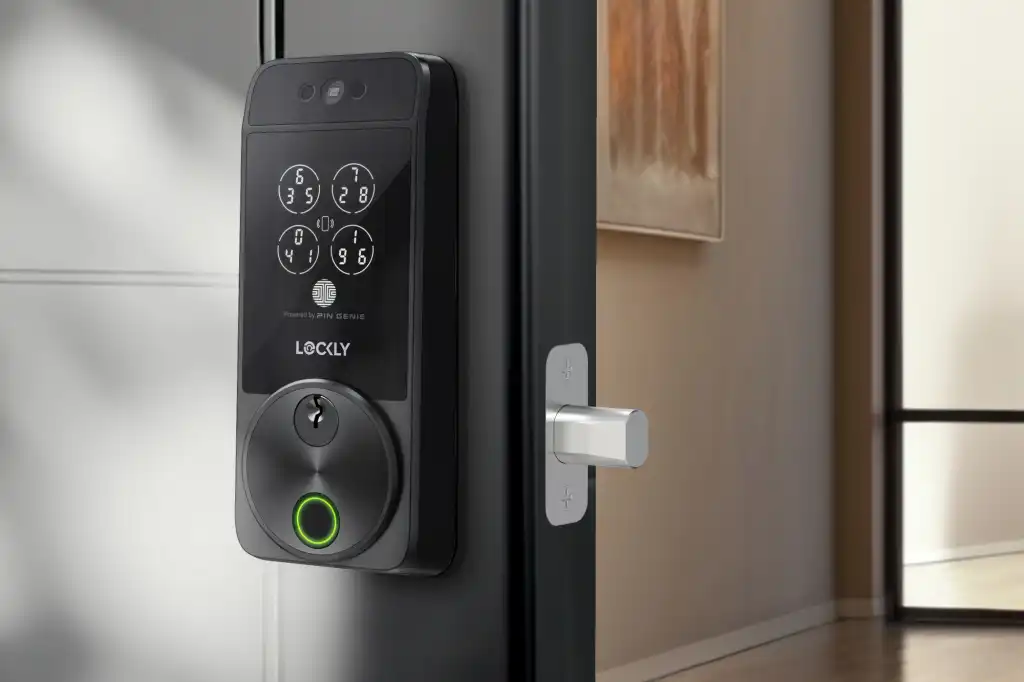
Electronic and smart deadbolts are becoming more popular, but they also face unique challenges from the environment. Extreme cold can affect battery life, while moisture can interfere with electronic components. Choose smart locks rated for outdoor use, and check manufacturer guidelines for operating temperature ranges.
For a deeper dive into the pros and cons of Bluetooth-enabled options, see our bluetooth deadbolt lock guide for detailed insights.
When to Call a Locksmith
Some weather-related lock issues can be handled with basic maintenance, but others require professional help. If you’re unable to resolve a jammed or frozen deadbolt, or if you suspect internal damage, it’s best to call a qualified locksmith. They can assess the situation, repair or replace damaged parts, and recommend upgrades for better weather resistance.
For garage entry points, specialized solutions may be necessary. Learn more about choosing the right deadbolt lock for garage entry door to ensure every entrance to your home is protected.
FAQ: Weather and Deadbolt Locks
Can extreme temperatures permanently damage my deadbolt?
Prolonged exposure to freezing or scorching temperatures can cause metal fatigue, warping, or internal corrosion. While most locks are designed to withstand normal seasonal changes, repeated stress from extreme weather can shorten their lifespan. Regular maintenance and choosing weather-resistant models can help prevent permanent damage.
How often should I lubricate my deadbolt?
It’s recommended to lubricate your deadbolt every three to six months, or before the start of winter and summer. If you notice the lock becoming stiff or difficult to operate, apply lubricant sooner. Always use a product designed for locks, such as graphite or silicone spray.
What should I do if my key breaks off in a frozen lock?
If your key snaps inside a jammed or frozen lock, avoid trying to extract it yourself, as this can push the fragment deeper. Contact a professional locksmith who has the tools and expertise to remove broken keys safely and repair any damage to the mechanism.
Are smart locks more vulnerable to weather than traditional deadbolts?
Smart locks can be affected by temperature and moisture, especially if not rated for outdoor use. Look for models with weatherproof housings and battery compartments. Regularly check for firmware updates and follow manufacturer care instructions to ensure reliable operation in all seasons.