Securing the entry door between your garage and home is a critical part of residential security. While many homeowners focus on the main entrances, the door connecting the garage to the house is often overlooked—despite being a common target for intruders. Choosing the right deadbolt lock for garage entry door can make a significant difference in your home’s overall safety.
In this guide, you’ll learn what features to prioritize, the types of deadbolts available, and how to select the best option for your needs. We’ll also cover installation tips and maintenance advice to ensure your lock remains effective for years to come. For those interested in broader home security strategies, understanding how often should locks be replaced is also essential for keeping your property protected.
Why Garage Entry Doors Need Strong Deadbolt Locks
The door leading from your garage into your home is a unique security risk. Unlike exterior doors, it’s often hidden from street view and may be less likely to have reinforced locks. Intruders know this and may target this entry point, especially if the garage itself is left open or unsecured.
Installing a deadbolt lock for garage entry door adds a crucial layer of protection. Deadbolts are much harder to force open than standard spring-latch locks, making them a strong deterrent against break-ins. For optimal security, it’s important to choose a deadbolt specifically rated for residential use and designed to withstand physical attacks.
Types of Deadbolt Locks for Garage Entry Doors
There are several types of deadbolts suitable for garage-to-house doors. Each comes with its own set of features and security benefits. Understanding these options will help you make an informed decision for your home.
Single Cylinder Deadbolts
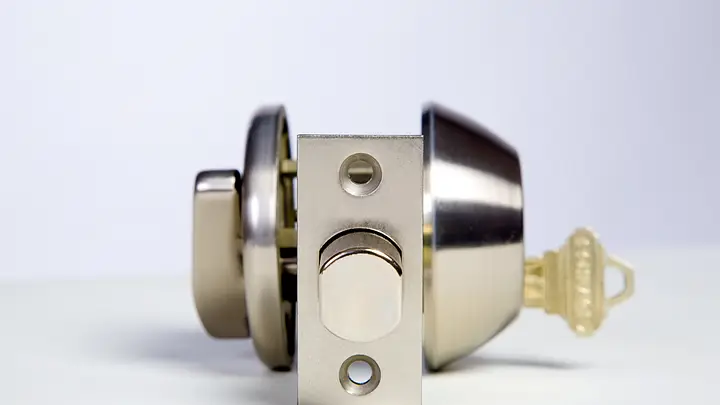
This is the most common type of deadbolt for interior garage doors. It uses a key on the exterior side and a thumb turn on the interior. Single cylinder deadbolts are easy to operate and provide strong protection, but they can be vulnerable if there is glass near the door—an intruder could break the glass and turn the thumb latch.
Double Cylinder Deadbolts
Double cylinder deadbolts require a key on both sides. This design prevents someone from reaching through a broken window to unlock the door. However, it can pose a safety risk in emergencies, as you’ll need a key to exit quickly. If you choose this type, always keep a key nearby but out of reach from the outside.
Smart and Keyless Deadbolts
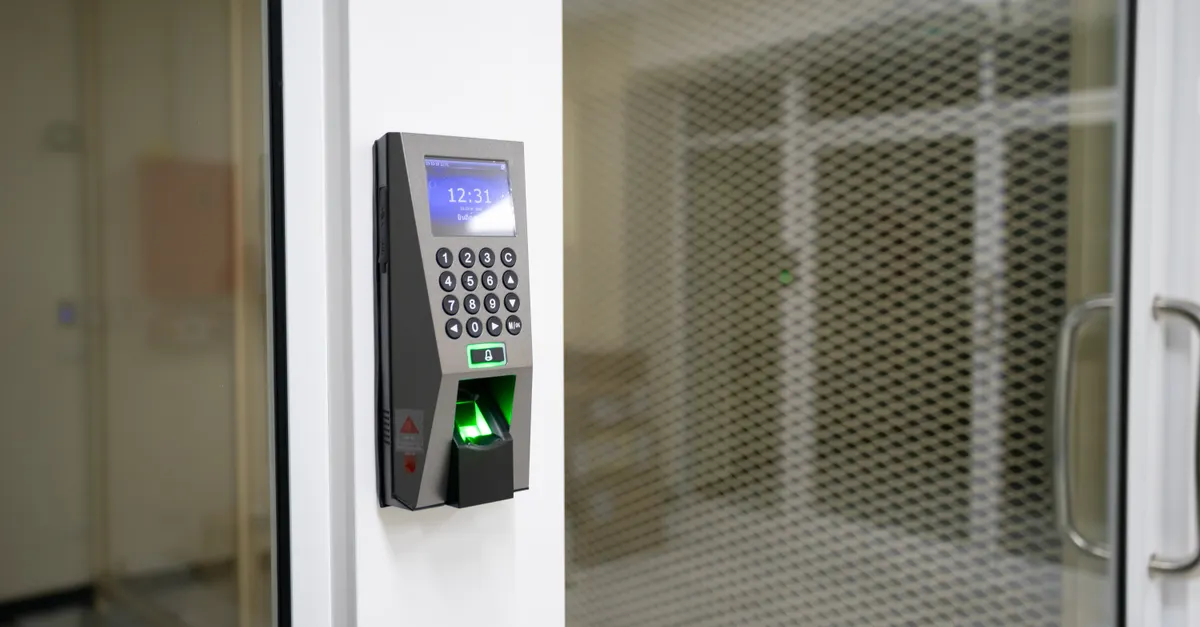
Modern smart deadbolts offer keyless entry through codes, smartphone apps, or even biometric scanners. These locks are convenient and can be programmed to allow temporary access for guests or service providers. Some models also send alerts if the door is left unlocked or if someone attempts unauthorized access. When selecting a smart lock for your garage entry, ensure it has robust encryption and a backup key option.
High-Security and Grade 1 Deadbolts
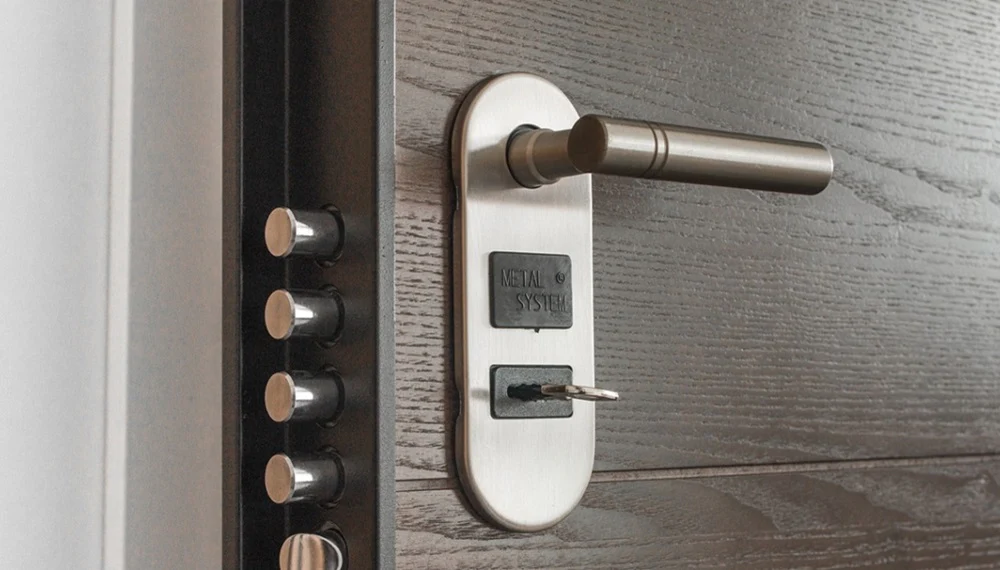
For maximum protection, look for deadbolts that meet ANSI Grade 1 standards. These locks are tested for durability and resistance to forced entry. High-security deadbolts often feature hardened steel inserts, anti-drill plates, and reinforced strike plates. For a comprehensive overview of deadbolt types and their security ratings, see this guide to different types of deadbolts.
Key Features to Look for in a Garage Entry Deadbolt
Not all deadbolts are created equal. When shopping for a lock for your garage entry, consider the following features to ensure you’re getting the best security for your investment:
- Solid Metal Construction: Choose locks made from hardened steel or brass for durability and resistance to tampering.
- Long Throw Bolt: Look for a bolt that extends at least one inch into the door frame for maximum holding power.
- Reinforced Strike Plate: A heavy-duty strike plate with long screws helps prevent the door from being kicked in. For more on this, check out the importance of a deadbolt strike plate.
- Pick and Bump Resistance: High-security cylinders are designed to resist picking and lock bumping, two common break-in techniques.
- Weather Resistance: If your garage is unheated or exposed to the elements, select a lock with corrosion-resistant finishes.
Installation Tips for Maximum Security
Even the best deadbolt won’t provide adequate protection if it’s installed incorrectly. Here are some practical tips to ensure your garage entry lock is as secure as possible:
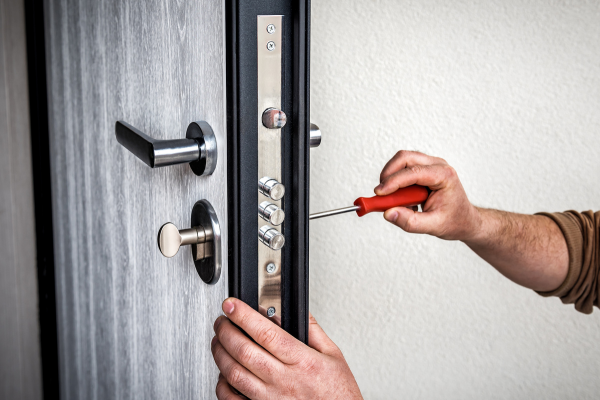
- Use all the hardware provided by the manufacturer, including the reinforced strike plate and long mounting screws.
- Install the deadbolt at least six inches above or below the existing knob to make it harder to force both locks at once.
- Reinforce the door frame with a metal plate or additional screws, especially if your door is hollow core or lightweight. You can learn more about this by reading how to strengthen a door frame for better deadbolt security.
- Test the lock after installation to ensure smooth operation and full bolt extension.
Maintaining Your Garage Entry Deadbolt
Regular maintenance keeps your deadbolt functioning smoothly and extends its lifespan. Here are a few simple steps:
- Lubricate the lock cylinder with graphite or a silicone-based spray every six months.
- Check for loose screws and tighten them as needed.
- Inspect the strike plate and door alignment to ensure the bolt seats fully.
- Replace keys or rekey the lock if you lose a key or move into a new home. For more advice, see these deadbolt security tips for homeowners.
Additional Security Measures for Garage Entry Doors
While a high-quality deadbolt is essential, it’s not the only step you should take to secure your garage entry. Consider these additional measures:
- Install a solid-core or metal door for added strength.
- Add a door viewer or peephole to see who is on the other side before opening.
- Use a security bar or door brace for extra protection when you’re home or away.
- Keep the garage door itself locked and consider adding a smart garage door opener with alerts.
- Don’t leave spare keys in obvious places like under mats or flowerpots.
- When traveling, review door security tips for vacations to keep your home safe while you’re away.
Frequently Asked Questions
What type of deadbolt is best for a garage-to-house door?
For most homes, a single cylinder deadbolt with a reinforced strike plate offers a good balance of security and convenience. If your door has glass panels, consider a double cylinder model, but always keep safety in mind by ensuring a key is accessible from the inside.
Can I install a deadbolt on my garage entry door myself?
Many homeowners can install a deadbolt with basic tools and careful attention to instructions. However, for maximum security, professional installation ensures the lock and strike plate are properly aligned and anchored into the door frame.
How often should I replace or rekey my garage entry deadbolt?
It’s wise to rekey or replace your deadbolt if you lose a key, move into a new home, or notice signs of wear or tampering. Regularly inspecting your locks and updating them as needed helps maintain optimal security.
Conclusion
Choosing the right deadbolt lock for garage entry door is a key step in protecting your home from unauthorized access. By understanding the different types of deadbolts, prioritizing high-security features, and following best practices for installation and maintenance, you can significantly reduce your risk of break-ins. Combine a quality lock with other security measures for comprehensive peace of mind.