Keeping your home safe is a top priority for any homeowner. One of the most effective ways to strengthen your front door security is by installing a high-quality deadbolt. However, simply having a deadbolt isn’t enough—knowing how to choose, use, and maintain it is just as important. This guide offers deadbolt security tips for homeowners that help you make informed decisions and protect your property from common threats.
Understanding the different types of deadbolts, how to evaluate their features, and the best practices for installation can make a significant difference in your home’s defense. For those interested in comparing lock options, learning about deadbolt lock security ratings is a great place to start. Let’s explore how you can maximize your home’s safety with practical advice and expert recommendations.
Choosing the Right Deadbolt for Your Home
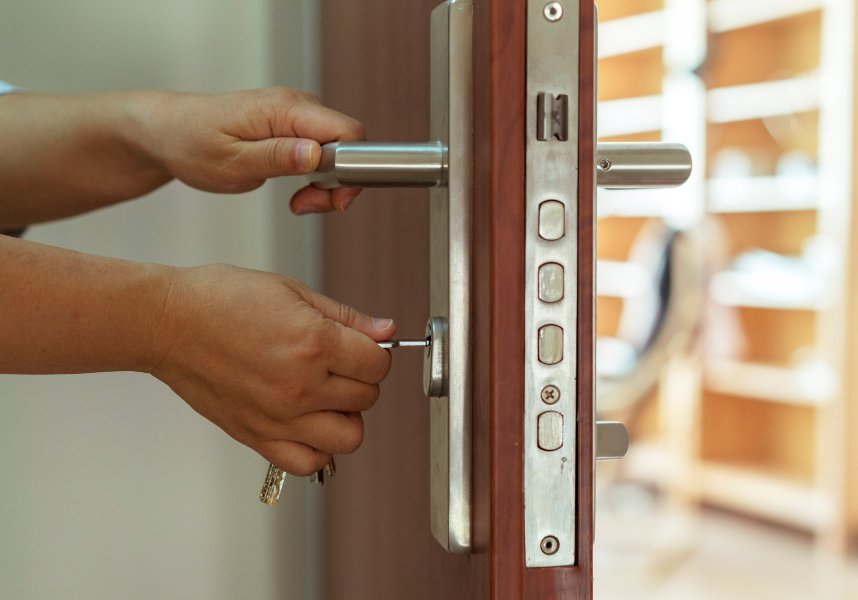
Selecting the best lock for your door is the foundation of strong home security. There are several types of deadbolts available, each with its own strengths and weaknesses. Single-cylinder deadbolts are the most common, operated by a key from the outside and a thumb turn from the inside. Double-cylinder models require a key on both sides, offering extra security but potentially posing a safety risk during emergencies.
When evaluating options, look for locks that meet industry standards. The American National Standards Institute (ANSI) grades deadbolts from 1 to 3, with Grade 1 offering the highest level of security. Consider features such as anti-drill plates, hardened steel bolts, and reinforced strike plates. For a deeper dive into what makes a lock tough, check out resources on anti drill deadbolt features.
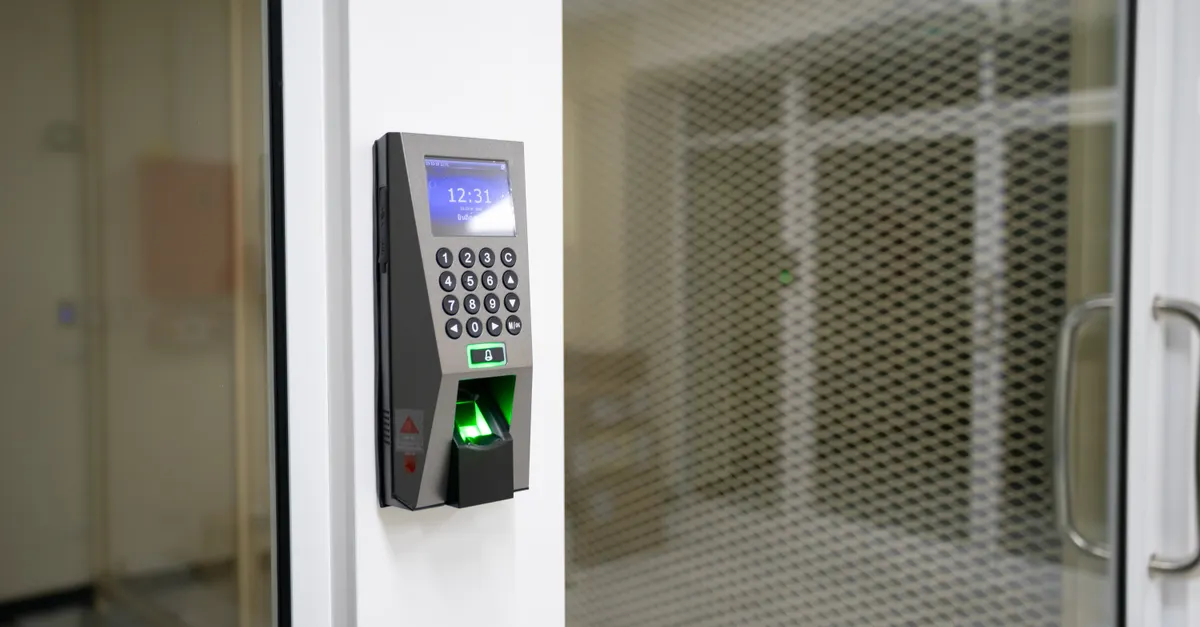
Smart deadbolts are also gaining popularity, offering features like keyless entry, remote access, and integration with home automation systems. If you’re interested in modern solutions, consider reviewing the best electronic deadbolts for home security to see which models fit your needs.
Installation and Maintenance: Key Steps for Maximum Protection
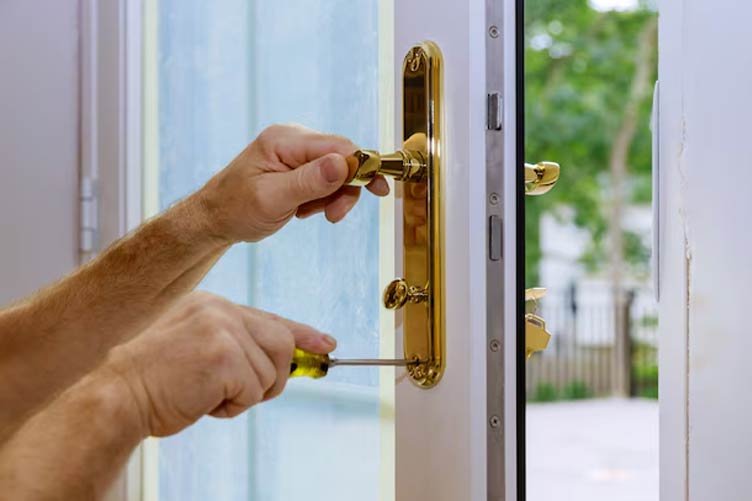
Proper installation is just as important as choosing the right lock. Even the best deadbolt can be compromised if it’s not installed correctly. Make sure the bolt extends fully into the door frame and that the strike plate is anchored with long screws that reach the wall stud, not just the door jamb. This prevents the lock from being easily kicked in or forced open.
If you’re not comfortable installing a deadbolt yourself, hiring a professional locksmith is a smart investment. Curious about the cost? You can find detailed information on how much does a locksmith charge for deadbolt installation to help you budget accordingly.
Regular maintenance is another crucial aspect of deadbolt security. Lubricate the lock mechanism annually with a graphite-based lubricant to ensure smooth operation. Inspect the screws and strike plate periodically, tightening or replacing them as needed. If your deadbolt shows signs of wear or damage, replace it promptly to maintain your home’s protection.
Advanced Deadbolt Security Tips for Homeowners
Beyond basic installation and maintenance, there are several advanced strategies to further enhance your home’s security. One important tactic is to upgrade to locks with anti-bump and anti-pick features. Lock bumping is a common technique used by intruders to bypass standard locks. To learn more about this threat and how to defend against it, review the guide on how to prevent lock bumping.
Another effective measure is to reinforce your doors and frames. Solid core or metal doors provide better resistance to forced entry than hollow-core models. Installing a security plate or door wrap can also help protect the area around the lock from being pried or kicked in.
Don’t overlook the importance of window security, especially if your door has glass panels. Consider using laminated or reinforced glass, or installing security film to make it harder for intruders to break through and reach the lock. For doors with windows nearby, double-cylinder deadbolts can prevent someone from unlocking the door after breaking the glass.
Smart Practices for Everyday Security
Even the best hardware can be undermined by poor habits. Always lock your doors, even when you’re at home or just stepping out for a moment. Avoid leaving spare keys in obvious places like under the doormat or in a flowerpot. Instead, give a spare key to a trusted neighbor or use a secure lockbox.
Consider upgrading to a smart deadbolt for added convenience and control. Many models allow you to monitor access, create temporary codes for guests, and receive alerts if someone tries to tamper with the lock. These features provide peace of mind and help you respond quickly to potential threats.
Finally, review your home’s overall security regularly. Walk around your property to identify potential vulnerabilities, such as poorly lit entryways or overgrown shrubs that could provide cover for intruders. Addressing these issues, along with following the deadbolt security tips for homeowners outlined here, will help you create a safer environment for your family.
Understanding Lock Grading and Security Standards
Lock grading systems help you compare products and choose the best option for your needs. As mentioned earlier, ANSI grades deadbolts on a scale from 1 to 3. Grade 1 deadbolts are suitable for residential and commercial use, offering the highest level of durability and resistance to forced entry. Grade 2 locks are also a solid choice for homes, while Grade 3 provides basic security.
When shopping for a new deadbolt, look for certifications and test results. Many manufacturers publish details about their products’ resistance to picking, drilling, and bumping. For a comprehensive overview of these features, see the article on anti bump deadbolt locks explained.
Pay attention to the materials used in both the lock and the door frame. Hardened steel bolts, reinforced strike plates, and solid door construction all contribute to a more secure entryway. Investing in quality components pays off in the long run by reducing the risk of break-ins.
Frequently Asked Questions
What is the most secure type of deadbolt for residential doors?
The most secure option for most homes is a Grade 1 single-cylinder deadbolt with anti-drill and anti-bump features. These locks are tested for durability and resistance to common break-in methods. For doors with glass panels or windows nearby, a double-cylinder deadbolt may offer extra protection, but always consider emergency egress needs.
How often should I replace or upgrade my deadbolt?
It’s wise to inspect your locks annually and replace them if you notice signs of wear, rust, or malfunction. If your deadbolt is more than 7–10 years old, or if you’ve experienced a break-in, consider upgrading to a newer model with advanced security features.
Can I install a deadbolt myself, or should I hire a locksmith?
Many homeowners can install a deadbolt with basic tools and careful attention to instructions. However, for optimal security—especially with high-security or smart locks—professional installation ensures the lock is fitted correctly and securely anchored. If you’re unsure, consulting a locksmith is a good investment in your home’s safety.
Conclusion
Securing your home starts with making informed choices about your locks and staying proactive about maintenance and upgrades. By following these deadbolt security tips for homeowners, you can significantly reduce your risk of unauthorized entry and enjoy greater peace of mind. Remember to choose high-quality hardware, install it properly, and stay vigilant about your daily security habits. With the right approach, your home will be well-protected against common threats.