When it comes to protecting your home or business, not all locks are created equal. Criminals often target entry points with basic locks, using tools like drills to force their way in. This is why understanding anti drill deadbolt features is crucial for anyone serious about security. These advanced locks are engineered to resist forced entry techniques, providing a much-needed layer of defense against break-ins.
Choosing the right deadbolt can be overwhelming, especially with so many options on the market. If you’re considering a new installation, it’s important to factor in both the deadbolt lock installation cost and the specific security features that will best protect your property. In this guide, we’ll break down the key elements that make a deadbolt resistant to drilling and explain why these features matter for your peace of mind.
Why Drill Resistance Matters in Deadbolts
Standard locks can often be compromised in seconds with basic power tools. Burglars know that drilling is a fast way to bypass traditional deadbolts, especially those with soft metal components or exposed cylinders. Anti drill deadbolt features are specifically designed to counteract these attacks, making it significantly harder for intruders to gain access.
Drill-resistant deadbolts use a combination of hardened materials and clever engineering to protect the most vulnerable parts of the lock. This means that even if a criminal attempts to drill through the lock, they’ll be met with barriers that slow them down or stop them entirely. The added time and effort required often deters would-be thieves, who typically look for easier targets.
Key Components of Drill-Resistant Deadbolts
To truly understand what sets these locks apart, it’s helpful to look at the main components that contribute to their strength. Here’s what you should look for when evaluating anti drill deadbolt features:
- Hardened Steel Inserts: These are strategically placed within the lock cylinder and housing to resist drilling. Hardened steel is much tougher than standard brass or zinc, making it difficult for drill bits to penetrate.
- Anti-Drill Plates: Some deadbolts include specially designed plates that cover the cylinder face. These plates are made from hardened materials and spin freely, deflecting drill bits and preventing them from gaining traction.
- Ball Bearings: Placed inside the lock mechanism, ball bearings can disrupt drilling attempts by causing bits to slip or break. They add another layer of complexity for anyone trying to force entry.
- Reinforced Strike Plates: While not directly related to drilling, a strong strike plate ensures that even if the cylinder is attacked, the bolt remains secure in the door frame.
Materials That Make a Difference
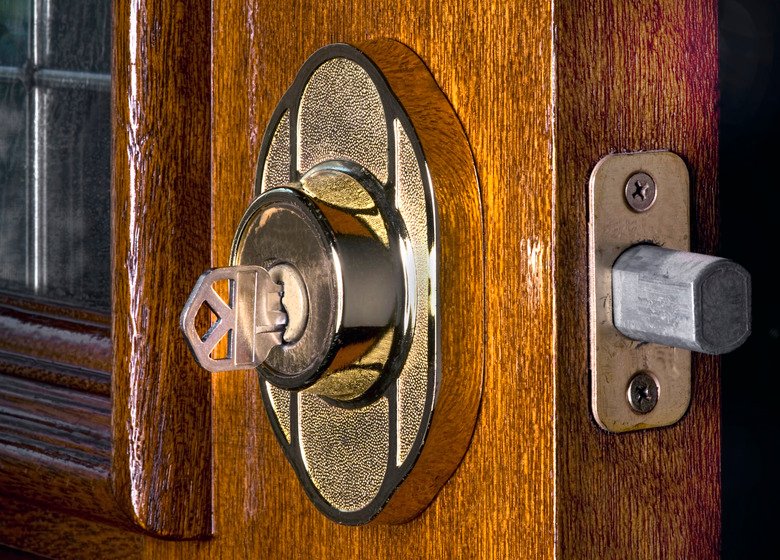
The type of metal used in a deadbolt has a direct impact on its ability to withstand drilling. Most high-security locks feature components made from hardened steel or alloys specifically chosen for their resistance to cutting and drilling tools. In contrast, cheaper locks often use softer metals that can be quickly compromised.
Some manufacturers also incorporate ceramic or carbide pins within the cylinder. These materials are extremely hard and can blunt or shatter drill bits, making it nearly impossible to reach the locking mechanism inside. When shopping for a new lock, always check the specifications for these advanced materials.
How Anti-Drill Features Work Together
It’s not just one feature that makes a lock tough—it’s the combination of multiple defenses. For example, a deadbolt with both a hardened steel cylinder and a spinning anti-drill plate will be much more secure than one with only a single protective element. The goal is to create multiple barriers that frustrate and slow down any attempt to breach the lock.
Many high-security deadbolts also include additional protections against other forms of attack, such as bumping or picking. While drilling is a common method used by criminals, a truly secure lock will offer comprehensive resistance to a variety of forced entry techniques.
Comparing Deadbolt Types and Security Ratings
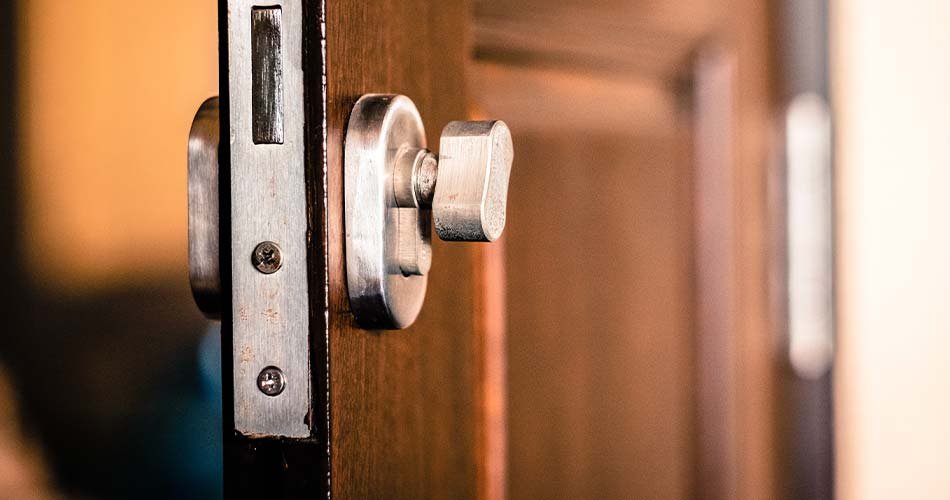
Not all deadbolts offer the same level of protection. When comparing options, look for locks that have been independently tested and certified by organizations such as ANSI (American National Standards Institute) or BHMA (Builders Hardware Manufacturers Association). These ratings provide an objective measure of a lock’s strength, including its resistance to drilling and other attacks.
For a deeper understanding of the different deadbolt mechanisms and their strengths, you can review this overview of common deadbolt types and how they compare in terms of security features.
In addition, consider the type of door you’re securing. Some locks are better suited for metal doors, while others are optimized for wooden doors. For example, if you’re outfitting a rental property, you might want to explore the best deadbolt for Airbnb properties or review options for metal doors and wooden doors to ensure you’re getting the right fit and level of protection.
Installation and Maintenance Tips for Maximum Security
Even the most advanced deadbolt won’t offer full protection if it’s not installed correctly. Make sure the lock is fitted tightly within the door and that the strike plate is anchored with long screws into the wall stud, not just the door frame. This prevents the lock from being easily forced open, even if the cylinder is attacked.
Regular maintenance is also key. Check your locks periodically for signs of wear or tampering. Lubricate moving parts as recommended by the manufacturer, and replace any components that show signs of damage. Staying proactive ensures that your anti drill deadbolt features remain effective over time.
Frequently Asked Questions
What makes a deadbolt resistant to drilling?
Drill-resistant deadbolts use a combination of hardened steel inserts, anti-drill plates, and sometimes ball bearings or ceramic pins. These components are strategically placed to block or deflect drill bits, making it extremely difficult for intruders to penetrate the lock cylinder and access the mechanism inside.
Are anti-drill deadbolts worth the investment?
Yes, investing in a deadbolt with advanced security features significantly increases your protection against forced entry. While they may cost more upfront, the added peace of mind and reduced risk of burglary make them a smart choice for both homes and businesses.
Can I upgrade my existing lock to improve drill resistance?
In many cases, you can upgrade to a higher-security cylinder or add a hardened steel plate to your current setup. However, for maximum protection, it’s best to install a purpose-built deadbolt designed with multiple anti-drill features from the start.
Conclusion: Choosing the Right Security for Your Needs
Understanding the key elements that make a deadbolt tough is essential for anyone looking to enhance their property’s security. By focusing on locks with robust anti drill deadbolt features, you can deter criminals and protect your home or business from one of the most common forced entry methods. Always consider the type of door, the installation process, and the specific features offered by each lock before making your decision. For more tips on improving entryway security, see our guide on how to secure apartment doors better.