Choosing the right deadbolt is a crucial step in protecting your home or business. With so many options on the market, understanding deadbolt lock security ratings can help you make a more informed decision. These ratings are designed to give you a clear picture of how well a lock can withstand various types of forced entry, tampering, and wear over time. In this guide, we’ll break down what these ratings mean, how to interpret them, and what to look for when comparing different products.
Before diving into the technical details, it’s important to recognize that not all locks are created equal. Some are designed for basic privacy, while others offer advanced protection against sophisticated attacks. By learning how to read and compare security ratings, you’ll be better equipped to choose a lock that matches your security needs and budget.
For those interested in specialized protection, you might want to explore anti drill deadbolt features to understand what makes certain locks more resistant to physical attacks.
Understanding the Basics of Deadbolt Security Ratings
Security ratings for deadbolts are typically issued by independent organizations that test locks against a range of criteria. The most recognized standard in North America is the ANSI/BHMA grading system. ANSI stands for the American National Standards Institute, while BHMA is the Builders Hardware Manufacturers Association. Together, they set the benchmarks for lock performance and durability.
The ANSI/BHMA system assigns grades from 1 to 3, with Grade 1 being the highest. Here’s a quick overview:
- Grade 1: Maximum residential security, often used for commercial applications as well. These locks withstand the most rigorous tests for strength and durability.
- Grade 2: Intermediate security, suitable for most residential doors. These offer a good balance between cost and protection.
- Grade 3: Basic residential security, often found on interior doors or as secondary locks.
When comparing deadbolt lock security ratings, always check for the ANSI/BHMA grade on the packaging or product description. This ensures you’re getting a lock that meets established industry standards.
Key Factors That Influence Deadbolt Ratings
Several factors are evaluated during the rating process. Understanding these can help you interpret what the grades truly mean:
- Force Resistance: How well the lock withstands brute force attacks, such as kicking or prying.
- Drill and Pick Resistance: The lock’s ability to resist drilling, picking, or other forms of tampering.
- Cycle Testing: How many times the lock can be operated before it shows signs of wear or failure. Grade 1 locks, for example, are tested for up to 1 million cycles.
- Bolt Strength: The strength and length of the bolt itself, which determines how deeply it engages with the door frame.
Some locks also include advanced features such as anti-bump or anti-snap technology. For a deeper dive into these aspects, check out our article on anti bump deadbolt locks explained.

How to Read and Compare Security Labels
When shopping for a new deadbolt, you’ll often see labels or product descriptions referencing their security grade. Here’s how to interpret the most common information:
- ANSI/BHMA Grade: Look for Grade 1 for the highest level of protection. Grade 2 is suitable for most homes, while Grade 3 is best reserved for low-risk areas.
- BHMA Certification: Some locks display a BHMA Certified Secure Home label, which means they’ve passed additional tests for security, durability, and finish.
- UL Listing: Underwriters Laboratories (UL) also tests locks for fire and burglary resistance. A UL-listed lock offers an extra layer of assurance.
Always compare similar products by their ratings, and don’t hesitate to ask for documentation or test results from the manufacturer if you’re unsure.
Comparing Popular Deadbolt Types and Their Ratings
There are several types of deadbolts, each with its own strengths and weaknesses. Here’s a quick comparison:
| Type | Typical Use | Common Rating | Security Features |
|---|---|---|---|
| Single Cylinder | Standard exterior doors | Grade 1 or 2 | Keyed on outside, thumbturn inside |
| Double Cylinder | Doors with glass panels | Grade 1 or 2 | Keyed on both sides for added security |
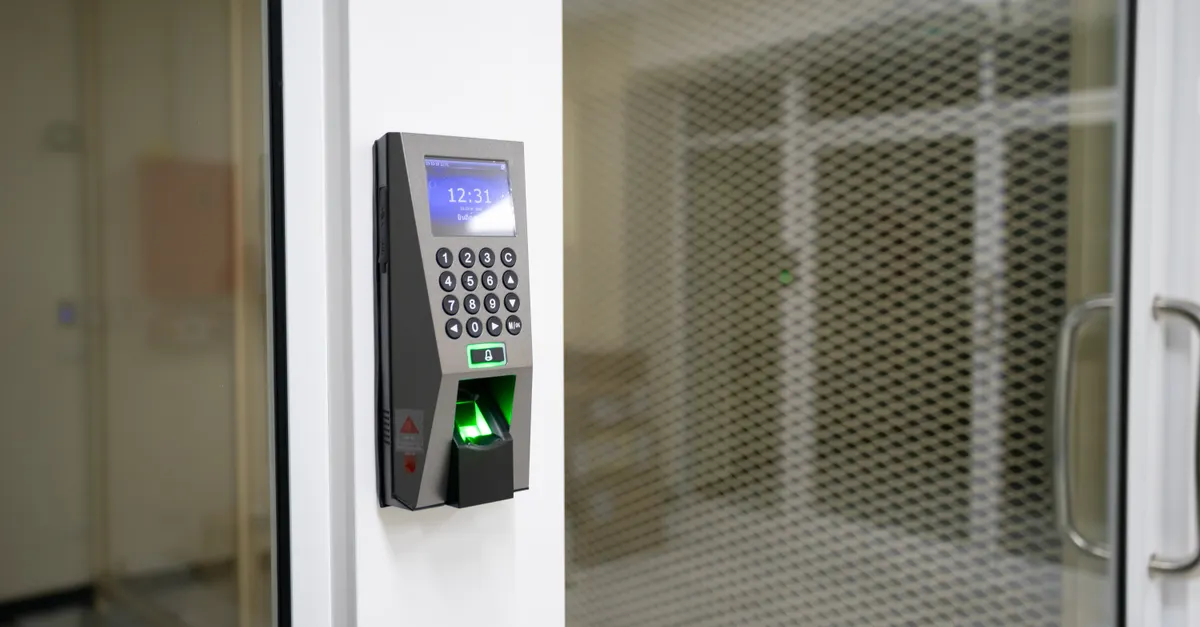
| Smart Deadbolts | Modern homes, rentals | Varies (check for ANSI/BHMA label) | Electronic access, may include alarms |
If you’re securing a metal entryway, you may want to explore the best deadbolt for metal doors for options that are both durable and highly rated.
What to Look for Beyond the Ratings
While the official ratings provide a solid baseline, there are other factors to consider for optimal security:
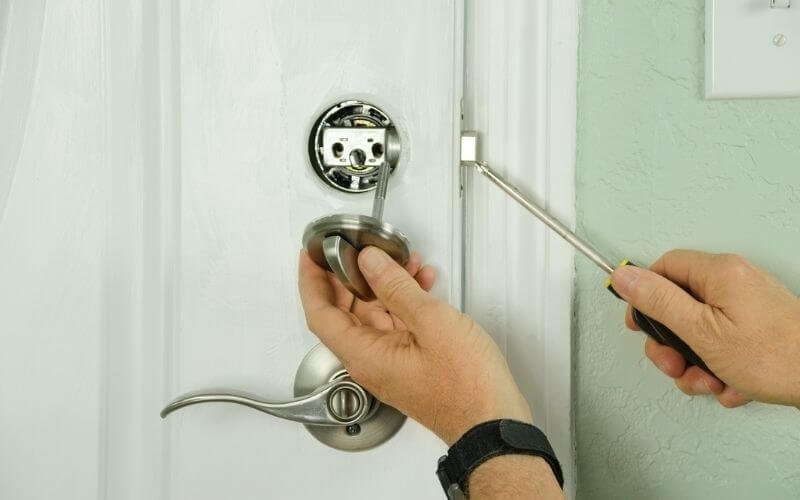
- Installation Quality: Even the best-rated lock can fail if not installed correctly. Use long screws and reinforce the strike plate for added strength.
- Door and Frame Integrity: The lock is only as strong as the door and frame it’s attached to. Solid wood or metal doors offer the best protection.
- Additional Features: Look for locks with anti-drill plates, hardened steel bolts, and anti-bump mechanisms.
- Compatibility: Make sure the lock fits your door’s thickness and backset. Some smart locks require specific setups.
For renters or property managers, security needs may differ. If you manage short-term rentals, our guide to the best deadbolt for Airbnb properties can help you find solutions tailored to temporary tenants.

Expert Tips for Choosing the Right Deadbolt
Here are some practical steps to follow when selecting a lock based on deadbolt lock security ratings:
- Decide on the level of security you need for each entry point. Main doors should have Grade 1 or 2 locks.
- Check for additional certifications such as BHMA or UL for extra peace of mind.
- Consider advanced features like anti-drill, anti-bump, and anti-pick protection.
- Read customer reviews and independent test results to verify manufacturer claims.
- Don’t forget about professional installation for maximum effectiveness.
If you live in an apartment, you may also want to review tips on how to secure apartment doors better with the right lock and hardware.
Industry Standards and Additional Resources
For a more comprehensive understanding of lock types and their benefits, you can refer to this detailed guide on deadbolt lock types and benefits. Staying informed about industry standards and advancements will help you make smarter security decisions for your property.
Frequently Asked Questions
What does ANSI/BHMA Grade 1 mean for a deadbolt?
Grade 1 is the highest rating in the ANSI/BHMA system, indicating maximum security and durability. These locks are tested to withstand heavy force, repeated use, and advanced tampering techniques, making them ideal for exterior doors and commercial settings.
Are smart deadbolts as secure as traditional ones?
Smart deadbolts can offer strong protection, but their security depends on both physical construction and digital safeguards. Always check for ANSI/BHMA ratings and look for models with encryption, tamper alarms, and regular firmware updates for the best results.
How can I tell if a lock is resistant to bumping or drilling?
Look for product descriptions that mention anti-bump or anti-drill features. These may include reinforced pins, hardened steel inserts, or special keyways. Independent certifications and customer reviews can also provide insight into a lock’s resistance to these common attack methods.