Securing your home or business is a top priority, and understanding how different lock technologies work is essential for making informed choices. One area that has gained attention in recent years is the vulnerability of traditional locks to a technique known as lock bumping. This method allows intruders to open standard pin tumbler locks quickly and quietly, often leaving little to no trace. To address this risk, manufacturers have developed anti-bump deadbolt locks, which are designed to resist these attacks and provide greater peace of mind.
In this guide, we’ll break down how anti-bump technology works, what sets these locks apart from standard options, and what you should consider when upgrading your security. If you’re weighing the deadbolt lock installation cost or comparing features for different types of doors, understanding anti-bump features can help you make the right decision for your property.
Understanding Lock Bumping and Its Risks
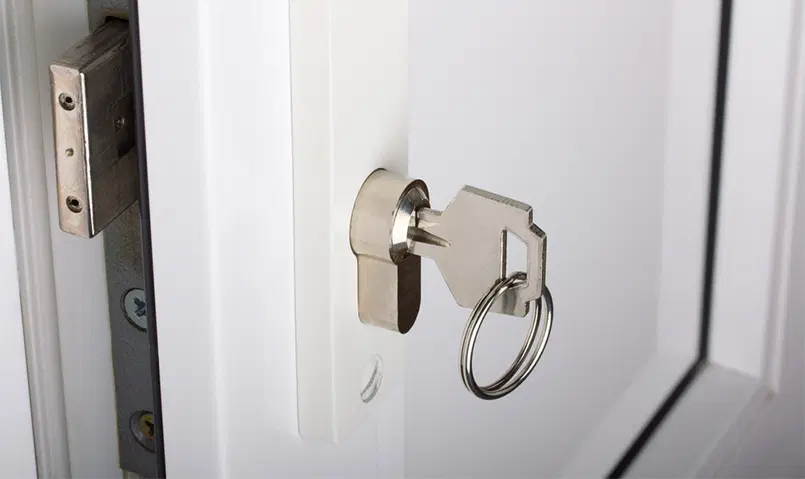
Lock bumping is a technique that exploits the design of traditional pin tumbler locks. By inserting a specially cut “bump key” and striking it, an intruder can momentarily align the pins and turn the lock open. This method is fast, requires minimal skill, and leaves few signs of forced entry, making it a preferred tactic among burglars.
Standard deadbolts, while effective against brute force attacks, are often vulnerable to bumping unless they include specific countermeasures. As awareness of this risk has grown, so has the demand for solutions that can withstand such manipulation.
How Anti-Bump Deadbolt Technology Works
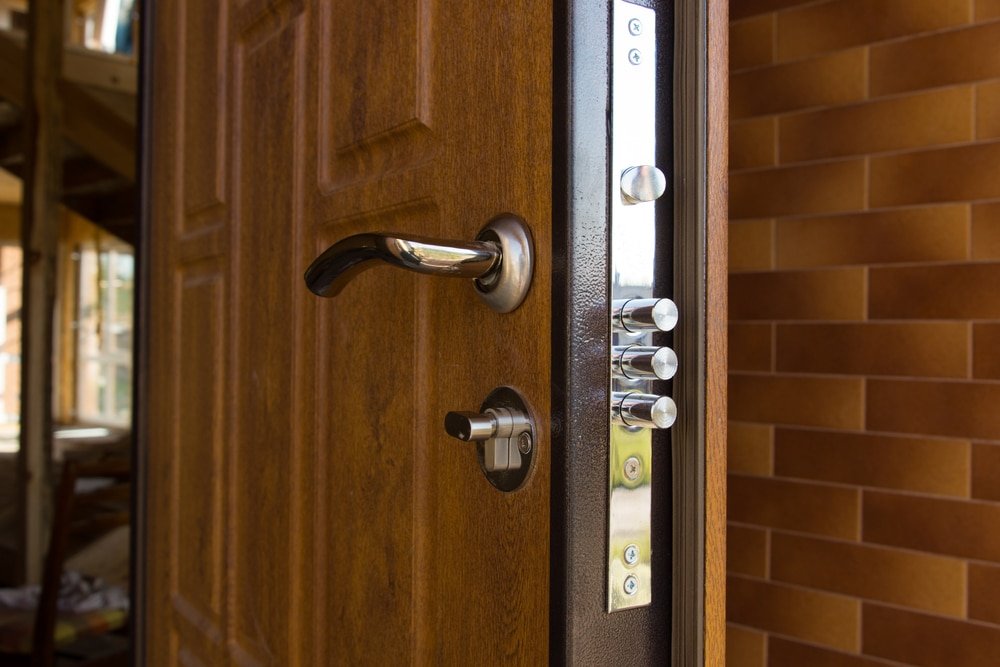
To counteract lock bumping, manufacturers have engineered anti-bump deadbolt mechanisms that incorporate several protective features. These may include:
- Specialized pin designs: Spool pins, mushroom pins, or other uniquely shaped components make it harder for a bump key to align the pins simultaneously.
- Stronger springs: Enhanced spring tension resists the rapid impact of bumping, reducing the likelihood of the pins jumping into place.
- Additional security layers: Some locks use sidebars, rotating disks, or magnetic elements that require more than just pin alignment to open.
- Precision manufacturing: Tighter tolerances and higher-quality materials make it more difficult for unauthorized keys to manipulate the lock.
These features work together to disrupt the timing and force needed for a bump attack, making anti-bump deadbolts a significant upgrade over standard models.
Comparing Anti-Bump Deadbolts to Standard Locks
When evaluating your security options, it’s important to understand how anti-bump deadbolts differ from traditional locks. Here are some key points of comparison:
| Feature | Standard Deadbolt | Anti-Bump Deadbolt |
|---|---|---|
| Bump Resistance | Low | High |
| Pin Design | Basic | Specialized (spool, mushroom, etc.) |
| Spring Strength | Standard | Enhanced |
| Additional Security | Rare | Common (sidebars, magnets) |
| Cost | Lower | Moderate to Higher |
While anti-bump deadbolts may cost more upfront, the added protection against covert entry methods can be well worth the investment, especially for those seeking to secure apartment doors better or protect valuable assets.
Choosing the Right Anti-Bump Deadbolt for Your Needs
Not all anti-bump locks are created equal. When shopping for enhanced deadbolts, consider the following factors:
- Certification: Look for locks that meet recognized standards such as ANSI Grade 1 or 2, which indicate rigorous testing against forced entry and manipulation.
- Compatibility: Ensure the lock fits your door type—whether you need the best deadbolt for metal doors or best deadbolt for wooden doors.
- Key control: Some manufacturers offer patented keyways that prevent unauthorized duplication, adding another layer of security.
- Brand reputation: Established brands often provide better warranties and customer support. For a deeper dive into deadbolt lock features, see this comprehensive guide to deadbolt lock security.
Consulting a professional locksmith can also help you assess your specific needs and ensure proper installation, maximizing the effectiveness of your new lock.
Installation and Maintenance Tips for Enhanced Security
Even the most advanced anti-bump deadbolt will only perform as intended if installed correctly. Here are some practical tips to ensure optimal protection:
- Professional installation: While DIY is possible, a qualified locksmith can guarantee that the lock is fitted properly and functions as designed.
- Reinforce the door frame: Use long screws and a sturdy strike plate to resist forced entry attempts.
- Regular maintenance: Lubricate the lock mechanism annually and check for signs of wear or tampering.
- Update keys as needed: If you lose a key or move into a new property, consider rekeying or replacing the lock to maintain control.
For those managing short-term rentals, choosing the best deadbolt for Airbnb properties can further enhance guest safety and reduce liability.
Benefits of Upgrading to Anti-Bump Deadbolts
Making the switch to anti-bump technology offers several advantages beyond just resisting bumping:
- Deterrence: Visible security upgrades can discourage would-be intruders from targeting your property.
- Peace of mind: Knowing your locks are resistant to common bypass methods helps you feel safer at home or work.
- Insurance benefits: Some insurers may offer discounts for properties equipped with high-security locks.
- Long-term value: Quality deadbolts often last longer and require fewer replacements, saving money over time.
Ultimately, investing in anti-bump deadbolts is a proactive step toward comprehensive security, complementing other measures like alarms and surveillance systems.
Frequently Asked Questions
What makes a deadbolt “anti-bump”?
An anti-bump deadbolt uses specialized pins, stronger springs, and sometimes additional security features to prevent the pins from aligning when struck by a bump key. This design makes it much harder for intruders to exploit the lock using bumping techniques.
Are anti-bump deadbolts worth the extra cost?
For most homeowners and business owners, the added security and peace of mind justify the higher price. These locks offer significant resistance to a common and effective break-in method, making them a smart investment for those serious about security.
Can I upgrade my existing lock to be bump-resistant?
In some cases, it’s possible to retrofit an existing lock with anti-bump pins or replace the cylinder. However, for maximum protection, it’s generally recommended to install a new deadbolt specifically designed to resist bumping.