Metal doors are a popular choice for both residential and commercial properties due to their strength and resistance to forced entry. However, even the sturdiest door is only as secure as its lock. Choosing the best deadbolt for metal doors is essential for maximizing security, ensuring durability, and providing peace of mind. With a wide variety of deadbolts available, understanding which features matter most for metal installations can help you make an informed decision and avoid common pitfalls.
In this guide, you’ll learn what to look for in a deadbolt designed for metal doors, explore top-rated options, and get practical advice on installation and maintenance. If you’re also considering security for other types of doors, you may want to read about the best deadbolt for wooden doors for a comprehensive approach to home safety.
Why Metal Doors Require Specialized Deadbolts
While all doors benefit from strong locks, metal doors present unique challenges and opportunities. Their rigidity and weight demand deadbolts that can withstand high levels of force and resist tampering. Not all locks are engineered for this purpose, so choosing a model specifically rated for metal installations is key.
- Strength: Metal doors can support heavier, more robust deadbolts, but the lock must be compatible with the door’s construction.
- Compatibility: The lock’s strike plate and bolt must align perfectly with the metal frame to ensure smooth operation and optimal security.
- Corrosion Resistance: Since metal doors are often used for exterior entryways, the deadbolt should be made from materials that resist rust and corrosion.
Top Features to Look for in a Deadbolt for Metal Doors
When searching for the most reliable deadbolt for your metal door, prioritize the following features:
- ANSI/BHMA Grade 1 Certification: This is the highest security rating for residential locks, indicating superior strength and durability.
- Solid Metal Construction: Look for deadbolts made from hardened steel, brass, or other high-strength metals.
- Anti-Drill and Anti-Pick Technology: Advanced security features make it much harder for intruders to bypass the lock.
- Adjustable Backset: Ensures the deadbolt fits a variety of metal door thicknesses and configurations.
- Weather Resistance: Especially important for exterior doors, as exposure to the elements can degrade lesser locks over time.
Recommended Deadbolt Types for Metal Doors
There are several types of deadbolts suitable for metal doors, each offering different benefits. Here’s a breakdown of the most popular options:
Single Cylinder Deadbolts
These are the most common deadbolts, featuring a key cylinder on the outside and a thumb turn on the inside. They’re easy to use and install, making them a practical choice for most metal doors.
Double Cylinder Deadbolts
With key cylinders on both sides, double cylinder deadbolts provide added security, especially for doors with glass panels. However, they may pose a safety risk during emergencies, as a key is required to unlock from the inside.
Smart and Keyless Deadbolts
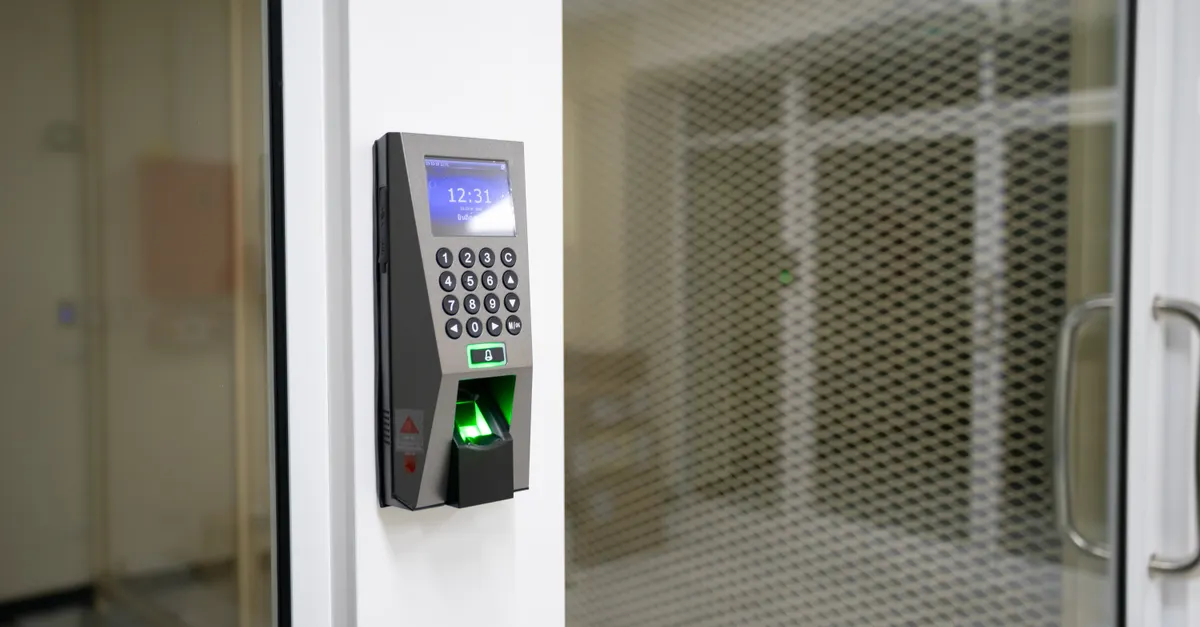
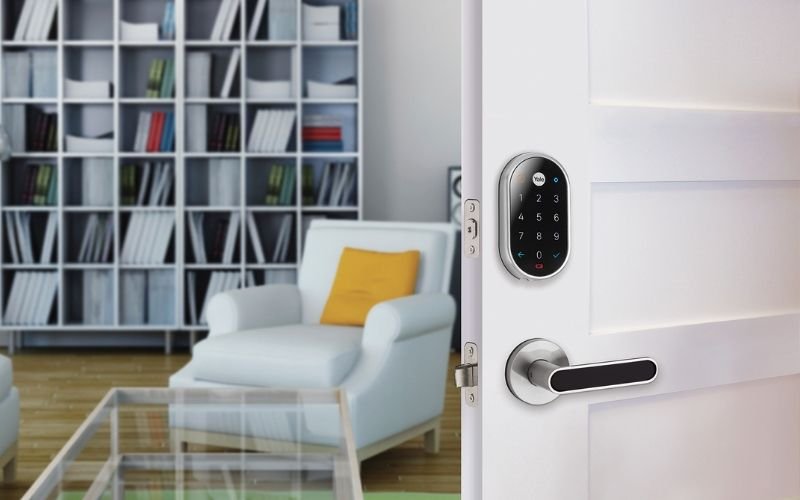
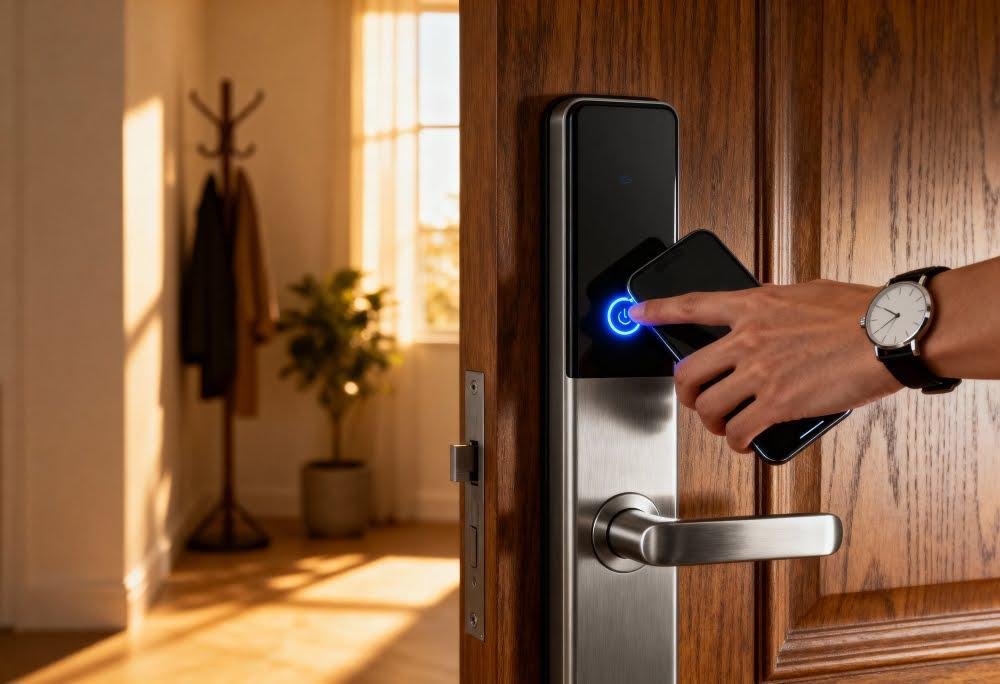
Modern smart locks and keyless entry systems are increasingly compatible with metal doors. These offer features like remote access, keypad entry, and integration with home security systems. Make sure the electronic components are rated for metal door installation to avoid signal interference or fitment issues.
Installation Tips for Deadbolts on Metal Doors
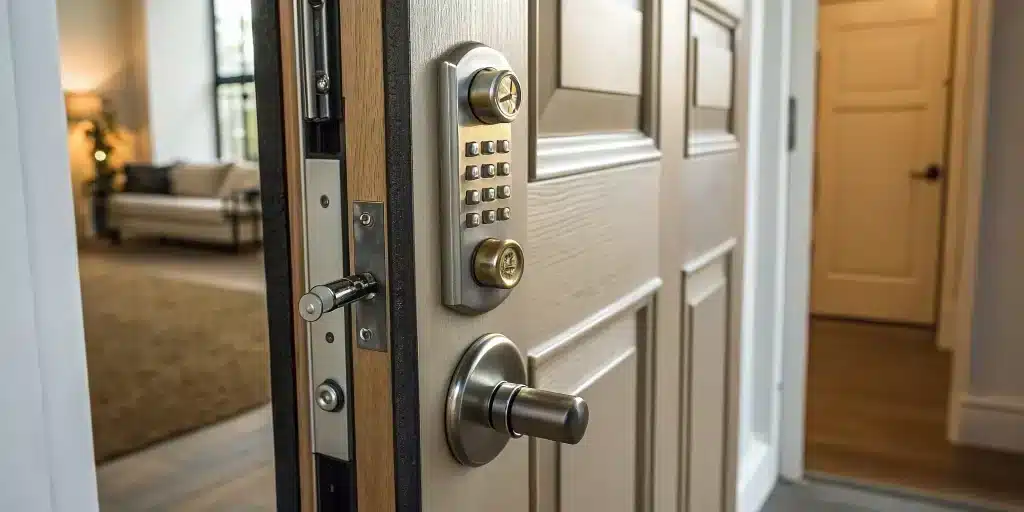
Proper installation is crucial for maximizing the effectiveness of any deadbolt. Metal doors can be more challenging to work with than wood, so consider these tips:
- Use the Right Tools: A power drill with metal bits, a hole saw, and a screwdriver are essential for a clean installation.
- Follow Manufacturer Instructions: Each deadbolt may have specific requirements for metal doors, including the type of screws and strike plates used.
- Check Alignment: Ensure the bolt extends fully into the strike plate without resistance. Misalignment can weaken security and cause lock malfunctions.
- Consider Professional Help: If you’re unsure about the process, hiring a locksmith can ensure the deadbolt is installed correctly and securely.
For those interested in learning more about lock maintenance and upgrades, you might find the article on can you rekey a deadbolt useful for ongoing security improvements.
Top-Rated Deadbolt Brands for Metal Doors
Several brands are known for producing high-quality deadbolts that perform well on metal doors. Here are a few to consider:
- Schlage: Renowned for their Grade 1 deadbolts, Schlage offers models with anti-pick and anti-drill features.
- Kwikset: Known for user-friendly installation and SmartKey technology, Kwikset deadbolts are a solid choice for both traditional and smart lock options.
- Yale: Yale’s smart deadbolts are compatible with many metal doors and offer advanced electronic features for modern homes.
- Medeco: Medeco locks are often used in commercial settings due to their high-security cylinders and resistance to picking and drilling.
Always verify that the specific model you choose is rated for use with metal doors and meets your security needs.
Enhancing Security Beyond the Deadbolt
While a strong deadbolt is a cornerstone of door security, consider these additional measures for comprehensive protection:
- Reinforced Strike Plates: Upgrading to a heavy-duty strike plate with long screws anchors the lock more securely to the door frame.
- Door Viewers and Cameras: Adding a peephole or smart camera allows you to see who’s at the door before opening it.
- Alarm Integration: Pairing your deadbolt with an alarm system can deter break-ins and alert you to attempted tampering. For more on this, see how locks can increase home security.
For sliding doors or other entry points, check out advice on the best deadbolt for sliding doors to ensure every part of your property is protected.
Maintenance and Longevity Tips
To keep your deadbolt functioning smoothly and extend its lifespan, regular maintenance is recommended:
- Lubricate the Lock: Use a graphite or silicone-based lubricant to prevent sticking and ensure smooth operation.
- Inspect for Wear: Periodically check the lock, strike plate, and screws for signs of rust, corrosion, or loosening.
- Test Regularly: Operate the deadbolt from both sides to ensure it locks and unlocks without resistance.
- Upgrade When Needed: If your lock shows signs of damage or becomes difficult to use, consider replacing it with a newer, more secure model.
If you’re interested in DIY lock upgrades, the step-by-step guide on how to rekey a deadbolt lock can help you maintain your security without replacing the entire lock.
Frequently Asked Questions
Can any deadbolt be installed on a metal door?
Not all deadbolts are suitable for metal doors. It’s important to choose a model specifically rated for metal installations, as these are designed to handle the material’s strength and thickness. Always check the manufacturer’s specifications before purchasing.
Are smart deadbolts reliable for metal doors?
Many smart deadbolts are compatible with metal doors, but it’s crucial to ensure the lock’s electronic components are not affected by the metal, which can sometimes interfere with wireless signals. Look for models that specify compatibility with metal doors and have positive reviews regarding connectivity and performance.
How do I maintain a deadbolt on a metal door?
Regularly lubricate the lock, check for rust or corrosion, and ensure all screws remain tight. If you notice any issues with operation, address them promptly to prevent lockouts or security vulnerabilities.
Conclusion
Securing your property starts with choosing the right deadbolt for your door type. For metal doors, prioritize locks that offer high security ratings, robust construction, and proven compatibility. With proper installation and regular maintenance, a quality deadbolt can provide years of reliable protection for your home or business.