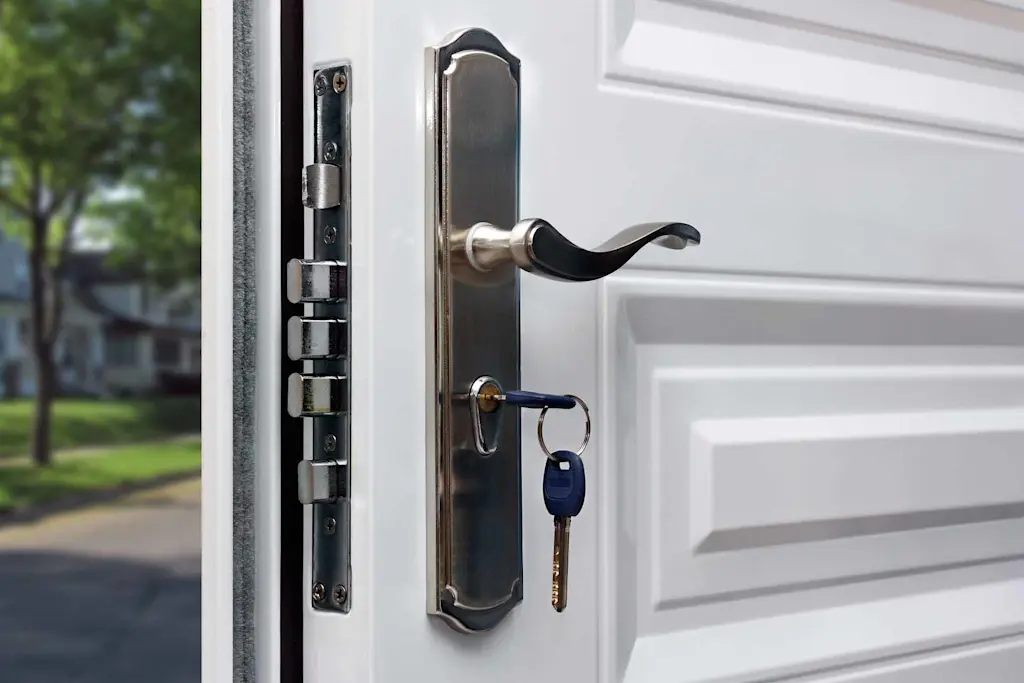
Rekeying a deadbolt is a practical way to boost your home’s security without replacing the entire lock. Whether you’ve moved into a new place, lost a key, or want to ensure only trusted people have access, learning how to rekey a deadbolt lock can save time and money. This process involves changing the internal pins of the lock cylinder so that old keys no longer work, and only a new set of keys will open the door.
While some homeowners choose to hire a locksmith, many modern deadbolts are designed for simple rekeying at home. With the right tools and a clear guide, you can confidently handle this security upgrade yourself. If you’re considering other door hardware options, you might also want to explore the keyed vs keyless deadbolt comparison to find the best fit for your needs.
Why Consider Rekeying Your Deadbolt?
There are several reasons why homeowners choose to rekey their locks instead of replacing them. Rekeying is often more cost-effective and can be done quickly with minimal tools. Common situations include:
- Moving into a new home and wanting to ensure previous residents no longer have access
- Losing a key or suspecting unauthorized copies exist
- Wanting to match multiple locks to a single key for convenience
- Upgrading home security after a break-in or attempted entry
Rekeying keeps your existing hardware but changes the key that operates it. This approach is especially useful if your deadbolt is still in good condition and matches your home’s style.
Tools and Materials Needed for Rekeying
Before starting, gather the necessary tools and supplies. Most major lock brands offer rekeying kits tailored to their products. Here’s what you’ll typically need:
- Rekeying kit (specific to your lock brand, e.g., Kwikset or Schlage)
- Current working key
- New keys (included in most kits)
- Small flathead screwdriver
- Needle-nose pliers or tweezers
- Follower tool (usually included in the kit)
Make sure to purchase the correct kit for your deadbolt, as pin sizes and cylinder designs vary by manufacturer.
Step-by-Step Instructions for Rekeying a Deadbolt
The following steps outline a general process for rekeying most standard deadbolts. Always refer to your lock’s specific instructions for best results.
1. Remove the Deadbolt from the Door
Start by unscrewing the interior side of the deadbolt. Most models have two screws holding the lock in place. Once removed, gently pull both sides of the deadbolt apart and slide out the cylinder.
2. Take Out the Lock Cylinder
With the deadbolt removed, locate the cylinder—the part where the key is inserted. Depending on your lock, you may need to remove a retaining clip or additional screws to free the cylinder.
3. Insert the Current Key and Use the Follower Tool
Insert your working key and turn it slightly (usually 90 degrees) to align the cylinder for pin removal. Using the follower tool from your kit, push the plug out of the cylinder housing, keeping steady pressure to prevent pins and springs from falling out.
4. Replace the Old Pins with New Ones
Remove the old pins from the plug. Your rekeying kit includes new pins of various sizes, color-coded or numbered for easy matching. Following the kit’s chart, insert the new pins to match your new key’s cut pattern. Use tweezers or needle-nose pliers for precision.
5. Reassemble the Lock Cylinder
Once the new pins are in place, carefully slide the plug back into the cylinder housing using the follower tool to keep pins and springs aligned. Make sure the plug turns smoothly with your new key.
6. Reinstall the Deadbolt
Place the cylinder back into the deadbolt assembly and reattach any retaining clips or screws. Reinstall the lock on your door, tightening all screws securely.
7. Test the New Key
Insert your new key and turn the lock several times to ensure smooth operation. If the key sticks or the lock doesn’t turn, double-check the pin arrangement and reassemble as needed.
Tips for Success When Rekeying Deadbolts
- Work on a flat, well-lit surface to avoid losing small parts.
- Keep track of removed pins and springs—they’re tiny and easy to misplace.
- Take photos during disassembly to help with reassembly.
- Label your new keys to avoid confusion with old ones.
- If you encounter resistance or the lock feels rough, don’t force it—disassemble and check pin alignment.
If you’re interested in advanced locking technology, you might want to read about electronic deadbolt benefits for added convenience and security.
When to Call a Professional Locksmith
While many homeowners can handle rekeying with patience and the right kit, there are situations where professional help is best:
- The lock is old, damaged, or jammed
- You don’t have a working key for the current lock
- The cylinder or pins are stuck or won’t align
- You’re dealing with high-security or electronic deadbolts
Locksmiths have specialized tools and experience to address complex issues and ensure your home remains secure. For more on deadbolt types and security, check out this comprehensive overview of deadbolt lock security.
Maintaining Your Rekeyed Deadbolt
Regular maintenance helps keep your lock functioning smoothly after rekeying. Apply a graphite-based lubricant to the keyway every six months and avoid using oil-based products, which can attract dust and debris. Test all keys periodically to ensure they work properly and store spare keys in a safe place.
If you’re curious about smart lock options, you may want to learn about smart deadbolt security concerns or review the wifi deadbolt lock pros and cons for modern alternatives.
Frequently Asked Questions
Can I rekey my deadbolt without the original key?
In most cases, you need the current working key to rekey a deadbolt yourself. Without it, removing the cylinder plug is difficult and may damage the lock. If you don’t have the original key, a locksmith can help by picking or decoding the lock before rekeying.
Is it cheaper to rekey or replace a deadbolt?
Rekeying is usually more affordable than replacing the entire lock, especially if your hardware is in good condition. Rekeying kits are inexpensive, and you can reuse your existing deadbolt, saving money on new hardware and installation.
How often should I rekey my locks?
It’s a good idea to rekey your locks whenever you move, lose a key, or suspect someone unauthorized may have access. Some homeowners also rekey periodically for peace of mind, especially in rental or shared living situations.
Can I rekey all my locks to use one key?
Yes, if your locks are compatible (usually from the same brand and series), you can rekey them to work with a single key. This adds convenience and reduces the number of keys you need to carry.
Rekeying your deadbolt is a straightforward way to enhance home security and control access. With the right tools and careful attention to detail, you can complete this project in under an hour and enjoy greater peace of mind.