Home security is a top priority for most homeowners, and the locks on your doors play a crucial role in keeping your property safe. If you’ve recently moved, lost a key, or want to ensure that previous keyholders no longer have access, you might wonder: can you rekey a deadbolt instead of replacing the entire lock? Rekeying offers a practical, cost-effective solution for updating your home’s security without the need for a full hardware swap.
This article explains how the rekeying process works for deadbolts, when it’s a good idea, and what you should consider before getting started. Whether you’re a DIY enthusiast or considering hiring a locksmith, understanding your options will help you make the right choice for your peace of mind.
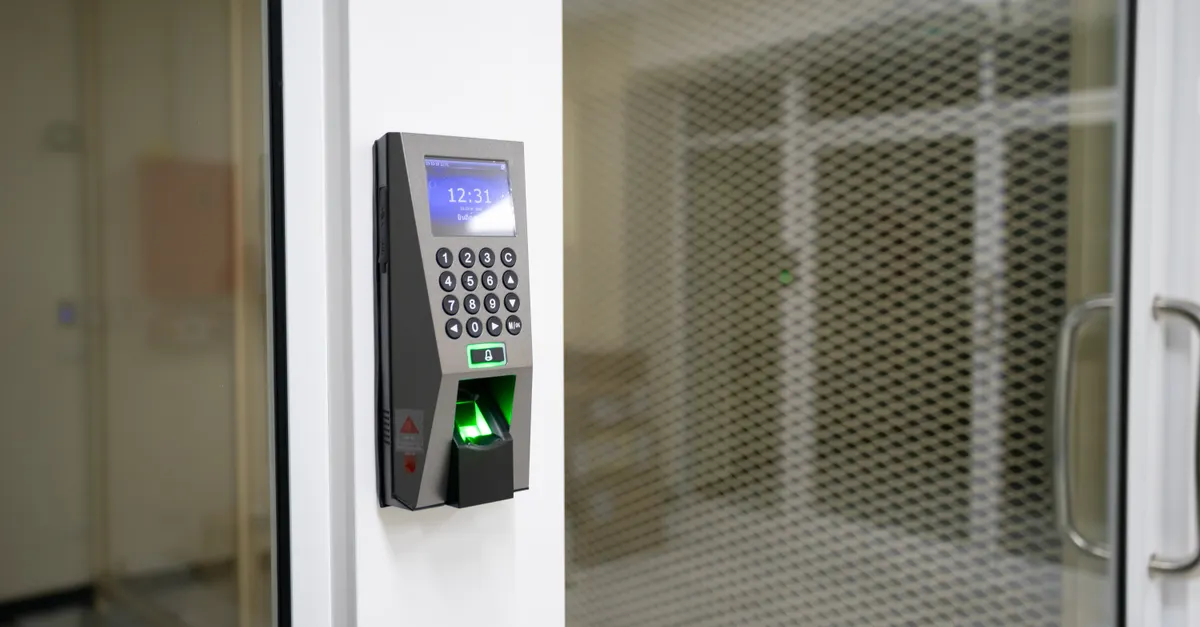
For those interested in exploring advanced locking options, you may want to read about the keyed vs keyless deadbolt comparison to see which system best fits your needs.
Understanding Deadbolt Rekeying
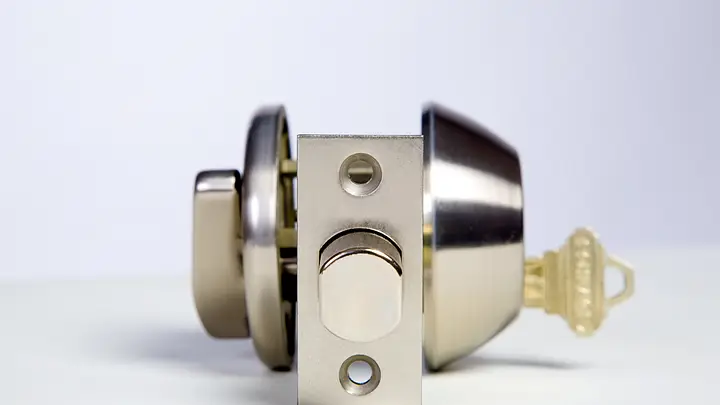
Rekeying a deadbolt involves changing the internal pins and springs inside the lock cylinder so that it works with a new key. The exterior hardware remains the same, but the old keys will no longer function. This process is common for both residential and commercial properties, offering a quick way to update access without replacing the entire lock mechanism.
Most standard deadbolts from reputable brands can be rekeyed, especially if they use pin tumbler mechanisms. Some high-security or electronic models may require specialized tools or professional assistance.
When Should You Rekey Instead of Replace?
There are several situations where rekeying is the preferred option:
- Moving into a new home: You never know who might have copies of the existing keys.
- Lost or stolen keys: Rekeying ensures that missing keys can’t be used to gain entry.
- After a break-in: Even if the lock wasn’t damaged, updating the keyway adds security.
- Consolidating keys: If you want multiple locks to work with a single key, rekeying can make this possible (as long as the locks are compatible).
Replacing the entire deadbolt is recommended if the lock is damaged, outdated, or you want to upgrade to a different style or higher security model. For example, if you’re interested in advanced features, you might want to learn more about electronic deadbolt benefits or explore the best deadbolt for sliding doors for specialized needs.
How the Rekeying Process Works
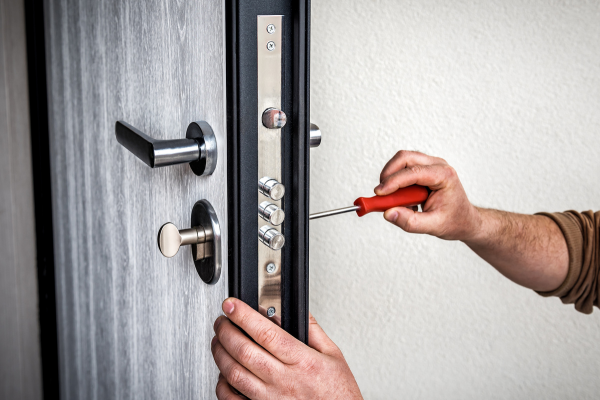
Rekeying a deadbolt can be done by a professional locksmith or, in many cases, as a DIY project if you have the right tools and a compatible lock. Here’s a general overview of the process:
- Remove the deadbolt: Unscrew the lock from the door and take out the cylinder.
- Access the cylinder: Use a key (usually the current one) to turn the cylinder and remove the plug.
- Replace the pins: Insert new pins that match the cuts of your new key. Rekeying kits often include a variety of pins and instructions.
- Reassemble the lock: Put the cylinder back together, reinstall it in the door, and test the new key.
Many major lock brands offer rekeying kits for their products, making it easier for homeowners to handle the process themselves. However, if you’re unsure or dealing with a high-security lock, it’s wise to consult a professional.
Types of Deadbolts and Rekeying Compatibility
Not all deadbolts are created equal. The ease and possibility of rekeying depend on the lock’s design and brand. The most common types include:
- Single-cylinder deadbolts: The most common residential type, usually easy to rekey.
- Double-cylinder deadbolts: Require a key on both sides; rekeying is similar to single-cylinder models.
- Smart and electronic deadbolts: Some can be rekeyed, but may require specialized procedures or tools.
- Mortise and multipoint locks: More complex and may need professional rekeying.
For a detailed breakdown of different lock types and their features, check out this comprehensive guide to deadbolt varieties.
Benefits of Rekeying Your Deadbolt
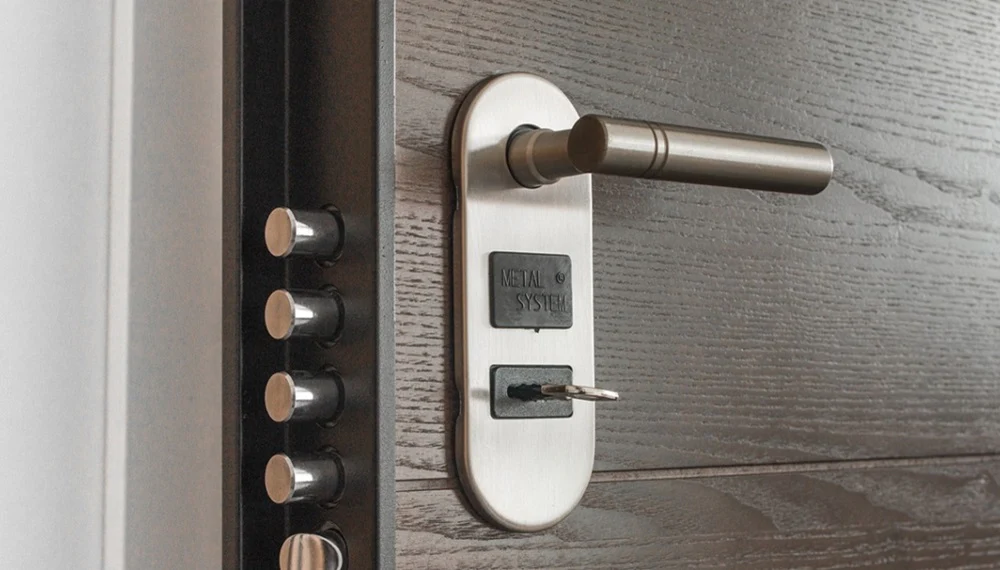
Choosing to rekey your deadbolt offers several advantages:
- Cost savings: Rekeying is typically much less expensive than replacing the entire lock.
- Improved security: You control who has access, especially after moving or losing keys.
- Convenience: Multiple locks can be rekeyed to work with a single key, reducing keychain clutter.
- Quick turnaround: The process can often be completed in under an hour, especially by a professional.
It’s an efficient way to maintain security without the hassle and expense of new hardware.
DIY vs. Professional Rekeying
Many homeowners consider rekeying a manageable DIY project, especially with the availability of rekeying kits. These kits usually include new pins, tools, and instructions tailored to specific lock brands. However, there are some important factors to weigh:
- Skill level: If you’re comfortable with basic tools and following instructions, DIY rekeying can be straightforward.
- Tools required: You’ll need a rekeying kit compatible with your lock, a screwdriver, and sometimes a plug follower.
- Risk of mistakes: Incorrectly rekeying a lock can leave it inoperable or less secure. If you’re unsure, a locksmith can ensure the job is done right.
Professional locksmiths bring expertise and can handle complex or high-security locks. They also provide peace of mind that the job is completed to industry standards.
Common Questions About Rekeying Deadbolts
Is It Always Possible to Rekey a Deadbolt?
Most standard deadbolts can be rekeyed, especially those from major brands. However, some older, specialty, or electronic models may not support rekeying or may require unique tools. If you’re unsure, consult the manufacturer or a locksmith.
How Much Does Rekeying Cost?
Rekeying is generally affordable. DIY kits cost between $10 and $25, while professional locksmith services typically range from $40 to $100 per lock, depending on complexity and location. Rekeying multiple locks at once may offer cost savings.
Will Rekeying Affect My Lock’s Security?
When done correctly, rekeying does not reduce the lock’s security. In fact, it can enhance security by ensuring only new keys work. However, if your deadbolt is old or damaged, consider upgrading to a newer, more secure model. For those interested in the latest technology, reviewing smart deadbolt security concerns can provide valuable insights.
FAQ
Can I rekey my deadbolt myself, or do I need a locksmith?
Many homeowners can rekey their deadbolts using a compatible rekeying kit and basic tools. However, if you’re not comfortable with the process or have a high-security or electronic lock, hiring a locksmith is recommended for best results.
How do I know if my deadbolt is rekeyable?
Most pin tumbler deadbolts from major brands are designed to be rekeyed. Check your lock’s documentation or look for rekeying kits specific to your brand. If in doubt, a locksmith can quickly determine if your lock can be rekeyed.
Should I rekey or replace my deadbolt after losing a key?
Rekeying is usually sufficient and more cost-effective if your lock is in good condition. However, if your deadbolt is old, damaged, or you want to upgrade to a more secure or modern lock, replacement may be the better option.
Conclusion
Rekeying a deadbolt is a smart, budget-friendly way to update your home’s security and control who has access to your property. Whether you handle the process yourself or hire a professional, understanding the basics of how deadbolt rekeying works empowers you to make informed decisions about your home’s safety. For those considering more advanced options, exploring wifi deadbolt lock pros and cons can help you stay ahead in home security.