Securing your home starts with choosing the right lock, and for many households, wooden doors remain a popular choice for both exterior and interior entryways. Selecting the best deadbolt for wooden doors is essential for enhancing safety, deterring break-ins, and ensuring peace of mind. With a wide range of options available, from traditional single-cylinder models to advanced smart locks, it can be challenging to determine which deadbolt will offer the best combination of strength, durability, and convenience for your specific needs.
This article explores the leading deadbolt options for wooden doors, highlighting key features, installation tips, and what to consider before making a purchase. If you’re interested in learning how to upgrade your lock’s security without replacing the entire mechanism, you might also find our guide on how to rekey a deadbolt lock helpful.
Why Deadbolts Are Essential for Wooden Doors
Wooden doors are valued for their classic appearance and solid construction, but they can be vulnerable if not paired with a robust locking mechanism. A deadbolt lock provides a significant security upgrade over standard spring-latch locks, as it cannot be easily forced open with a credit card or simple tools. Deadbolts extend a solid metal bolt deep into the door frame, making it much harder for intruders to gain entry.
When choosing a lock for your wooden entryway, it’s important to select a model specifically designed to withstand the unique stresses and potential weaknesses of wood. The right deadbolt will reinforce the door, resist tampering, and offer long-lasting performance.
Key Features to Look for in a Deadbolt for Wooden Doors
Not all deadbolts are created equal, especially when it comes to securing wooden doors. Here are the most important features to consider:
- Grade Rating: Look for locks rated by the American National Standards Institute (ANSI). Grade 1 is the highest, offering maximum security, while Grade 2 is suitable for most residential applications.
- Material Quality: Solid brass, steel, or bronze components provide superior strength and resistance to corrosion.
- Bolt Length: A 1-inch throw bolt is standard for effective protection. Shorter bolts are easier to force open.
- Strike Plate Reinforcement: Reinforced strike plates with long screws anchor the lock securely into the door frame, reducing the risk of kick-ins.
- Ease of Installation: Some deadbolts are designed for quick DIY installation, while others may require professional help, especially if retrofitting an older wooden door.
- Smart Features: Modern options include keyless entry, remote access, and integration with home automation systems for added convenience.
Top Picks: Deadbolts That Excel on Wooden Doors
After evaluating dozens of products, several deadbolts stand out for their reliability, security, and user-friendly features. Here are some of the top-rated options for wooden doors:

Single Cylinder Deadbolts
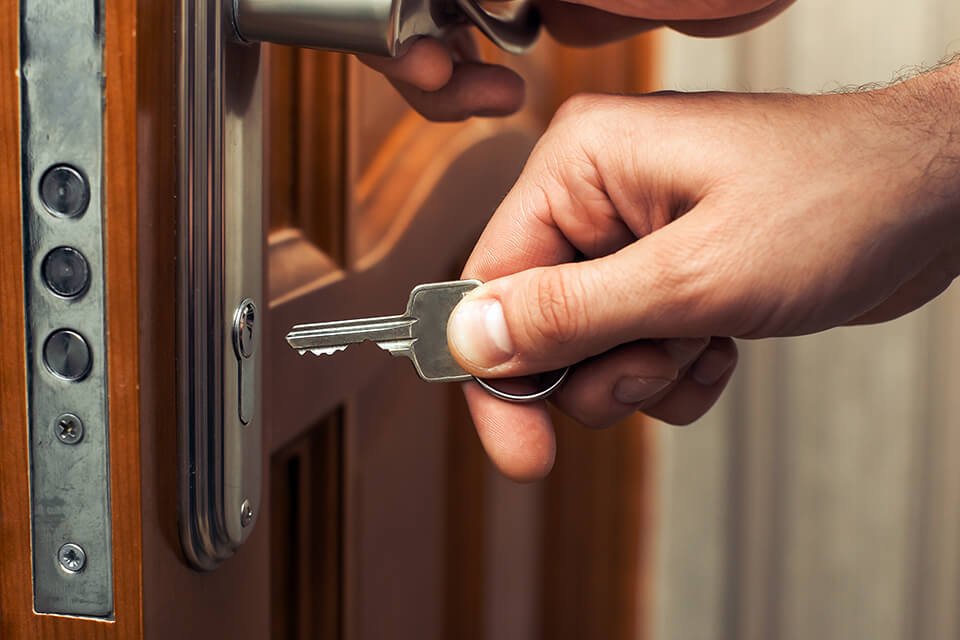
Single cylinder deadbolts are among the most popular choices for residential wooden doors. They use a key on the outside and a thumb turn on the inside, making them easy to operate while still providing a high level of security. Look for models with anti-drill and anti-pick features to further enhance protection.
Double Cylinder Deadbolts
Double cylinder models require a key on both sides, which can be beneficial for doors with glass panels or nearby windows. This design prevents intruders from unlocking the door by breaking the glass and reaching inside. However, always consider fire safety and local building codes before choosing this type.
Smart Deadbolts for Wooden Entryways
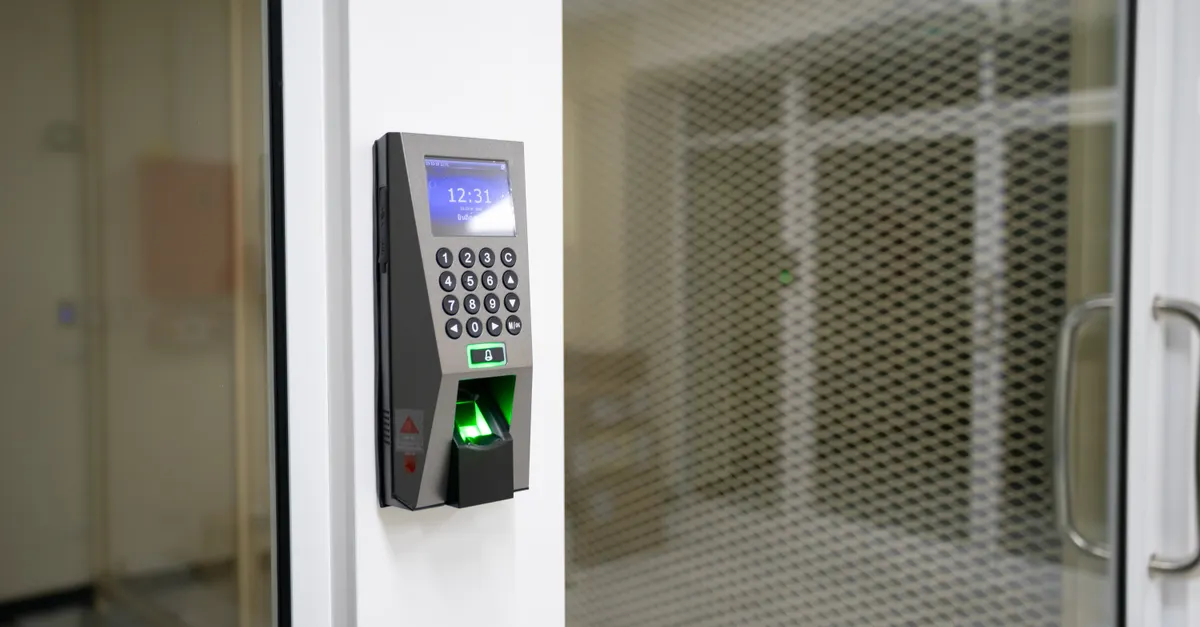
For those seeking convenience and advanced features, smart deadbolts are an excellent option. These locks allow for keyless entry, remote locking and unlocking, and integration with smart home systems. Many models are designed to fit standard wooden doors, making installation straightforward. For more details on the advantages of electronic locks, check out our article on electronic deadbolt benefits.
Some of the most reliable smart deadbolts for wooden doors include options from Schlage, Kwikset, and Yale. These brands offer models with robust construction, user-friendly apps, and strong encryption for digital security.
Installation Tips for Deadbolts on Wooden Doors
Proper installation is crucial to maximize the effectiveness of your deadbolt. Here are a few tips to ensure your lock provides optimal security:
- Use the template provided with your deadbolt to mark the correct placement on the door.
- Drill clean, precise holes for both the lock and the bolt to ensure a snug fit.
- Install a reinforced strike plate using 3-inch screws that penetrate deep into the door frame.
- Check that the bolt fully extends into the strike plate without obstruction.
- Test the lock several times to confirm smooth operation and proper alignment.

If you’re replacing an existing lock, you may want to learn about whether you can rekey a deadbolt instead of installing a new one.
Comparing Traditional and Electronic Deadbolts for Wooden Doors
When it comes to choosing between mechanical and electronic deadbolts for your wooden door, consider your lifestyle and security needs. Traditional deadbolts are valued for their simplicity, reliability, and lower cost. They require no batteries or connectivity and are less susceptible to hacking.
Electronic and smart deadbolts, on the other hand, offer enhanced convenience, such as keyless entry, temporary access codes, and integration with home security systems. Many modern smart locks are designed to fit the standard boreholes found in most wooden doors, making them a practical upgrade. For an in-depth look at the latest electronic deadbolt models, see this comprehensive review of top electronic deadbolts.
Regardless of your choice, ensure the lock is compatible with your door’s thickness and construction, and always follow the manufacturer’s installation guidelines.
Maintenance and Security Tips for Wooden Door Deadbolts
To keep your deadbolt functioning smoothly and maintain the security of your wooden door, follow these simple maintenance tips:
- Lubricate the lock mechanism with graphite powder or a silicone-based spray every six months.
- Inspect the strike plate and screws regularly to ensure they remain tight and secure.
- Check for any signs of wear or damage to the door or frame, and address issues promptly.
- If you notice difficulty turning the key or thumb turn, realign the lock or consult a professional locksmith.
- Consider upgrading to a new deadbolt if your current lock is outdated or shows signs of tampering.
For those interested in maximizing entryway security, you might also want to explore options for other entry points, such as the best deadbolt for sliding doors.
Frequently Asked Questions
What type of deadbolt is most secure for a wooden door?
The most secure option is a Grade 1 deadbolt with a 1-inch throw bolt and a reinforced strike plate. Both single and double cylinder models offer strong protection, but double cylinder deadbolts provide extra security for doors with glass panels.
Can I install a smart deadbolt on an older wooden door?
Yes, many smart deadbolts are designed to fit standard door preparations. However, you may need to make minor adjustments to the borehole size or door thickness. Always check the manufacturer’s specifications before purchasing.
How often should I replace or rekey my deadbolt?
It’s a good idea to rekey your deadbolt whenever you move into a new home, lose a key, or experience a security concern. Replacement is recommended if the lock is damaged, outdated, or no longer operates smoothly. For a step-by-step process, see our guide on how to rekey a deadbolt lock.
Conclusion
Choosing the right deadbolt for your wooden door is a critical step in safeguarding your home. Whether you opt for a traditional single or double cylinder lock or upgrade to a smart deadbolt, prioritize quality materials, robust construction, and proper installation. By following the guidance in this article and considering your specific needs, you can enhance your home’s security and enjoy greater peace of mind.