Securing your home against modern threats requires understanding the risks posed by common break-in techniques. Lock bumping is a method that allows intruders to open many standard pin tumbler locks quickly and quietly, using a specially crafted bump key. This technique is alarmingly simple, making it a concern for homeowners who rely on traditional locks for security. Fortunately, there are effective ways to reduce your vulnerability and safeguard your property.
This article explores practical strategies for defending against lock bumping, including upgrading your locks, choosing the right hardware, and adopting additional security measures. If you’re considering a lock upgrade, understanding the deadbolt lock installation cost can help you plan your budget and make informed decisions early in your security journey.
Understanding the Threat of Lock Bumping
Lock bumping exploits the basic design of pin tumbler locks, which are found on most residential doors. By inserting a bump key and applying slight pressure, a thief can align the pins and turn the lock open in seconds. This method leaves minimal evidence of forced entry, making it difficult to detect and even harder to prove for insurance claims.
Because bump keys can be purchased online or made with simple tools, the risk is not limited to professional criminals. Anyone with basic knowledge and intent can attempt this technique, which is why it’s crucial to address this vulnerability proactively.
Choosing Bump-Resistant Locks
One of the most effective ways to prevent lock bumping is to install locks specifically designed to resist this attack. Look for products labeled as “bump-proof” or “bump-resistant.” These locks often use advanced pin configurations, sidebars, or electronic components that make bumping ineffective.

When shopping for new locks, consider:
- High-security deadbolts: These often feature hardened steel inserts, complex pin systems, and patented keyways.
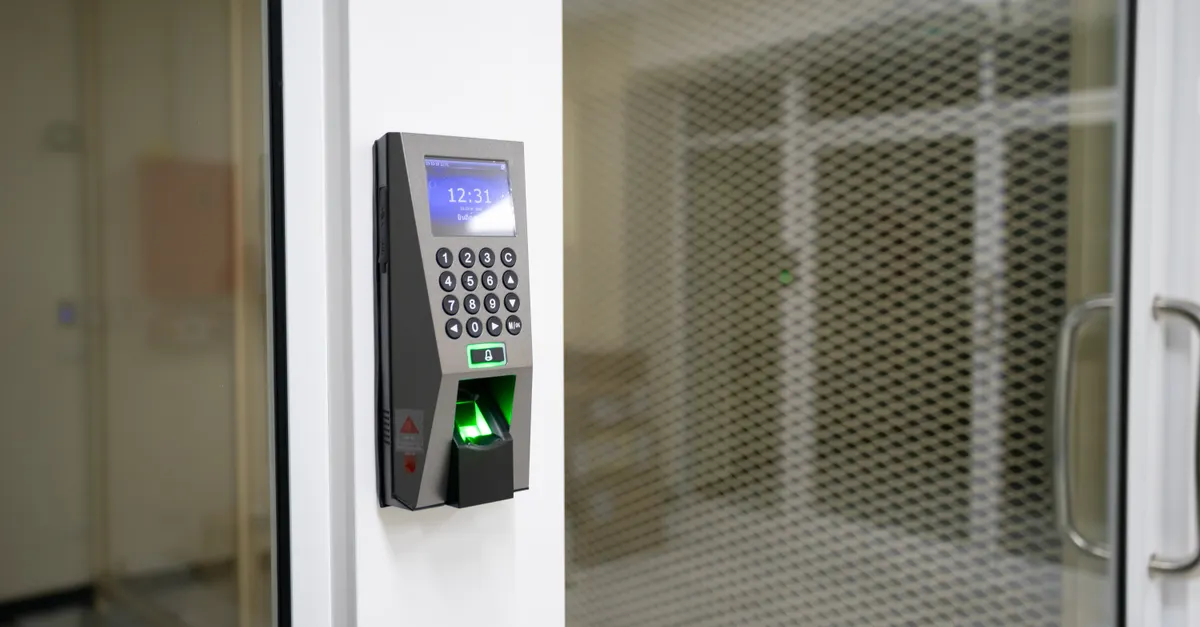
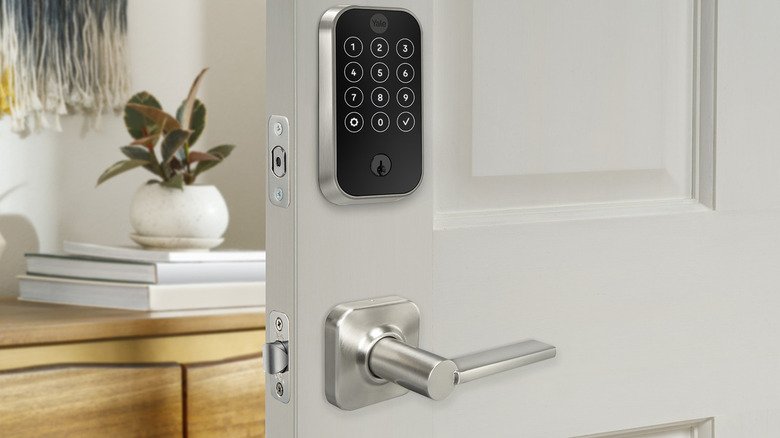
- Smart locks: Electronic or digital locks do not use traditional keys, making them immune to bumping.
- Locks with sidebar mechanisms: These add an extra layer of security by requiring both pin alignment and sidebar movement.
For a deeper dive into the varieties of deadbolts and their security features, check out this comprehensive guide to different types of deadbolts.
Upgrading Existing Hardware to Deter Bumping
If replacing all your locks isn’t feasible right away, there are still steps you can take to improve your current setup. Many locksmiths offer services to retrofit existing locks with bump-resistant pins or cylinders. While not as foolproof as a full replacement, these upgrades can significantly increase your home’s resistance to bumping.
Additionally, consider reinforcing your doors with:
- Strike plates secured with long screws to prevent forced entry.
- Door jammers or security bars for added physical protection.
- Secondary locks, such as chain locks or sliding bolts, to provide another barrier.
Comparing Lock Types for Enhanced Security
Not all locks offer the same level of protection. Here’s a comparison of common lock types and their resistance to bumping:
| Lock Type | Bump Resistance | Additional Security Features |
|---|---|---|
| Standard Pin Tumbler | Low | Basic; easily bumped |
| Bump-Resistant Deadbolt | High | Special pins, patented keyways |
| Smart/Electronic Lock | Very High | No keyway, digital access |
| Locks with Sidebars | High | Multiple locking mechanisms |
For those managing rental properties or unique door materials, choosing the right deadbolt is essential. Explore options for specific needs, such as the best deadbolt for Airbnb properties or best deadbolt for metal doors to ensure optimal protection.
Additional Strategies to Prevent Lock Bumping
Beyond upgrading your locks, several practical measures can further reduce your risk:
- Install security cameras: Visible surveillance can deter would-be intruders and provide evidence if a break-in occurs.
- Use motion-activated lights: Well-lit entryways make it harder for someone to tamper with your locks unnoticed.
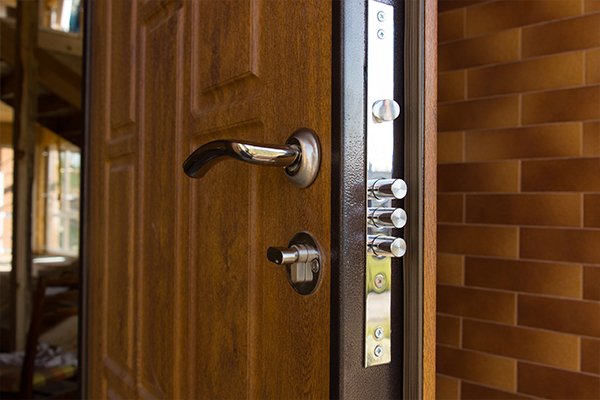
- Reinforce entry doors: Solid-core or metal doors are harder to force open, adding another layer of defense.
- Limit key duplication: Only share keys with trusted individuals and opt for locks with patented keys that cannot be easily copied.
For apartment dwellers, reviewing tips on how to secure apartment doors better can provide tailored advice for multi-unit buildings, where lock upgrades may require landlord approval.
Maintenance and Regular Security Checks
Even the best locks require ongoing attention. Regularly inspect your locks for signs of wear, loose hardware, or tampering. Schedule periodic maintenance with a professional locksmith to ensure all security features are functioning as intended.
Stay informed about new security technologies and consider upgrading your locks every few years, especially if you move into a new home or lose track of who has copies of your keys.
Frequently Asked Questions
What is lock bumping and why is it a concern?
Lock bumping is a technique that allows someone to open a pin tumbler lock using a specially cut key and minimal force. It’s a concern because it can be done quickly, quietly, and without leaving obvious signs of forced entry, making many standard locks vulnerable.
Are all locks susceptible to bumping?
No, not all locks are equally vulnerable. Standard pin tumbler locks are most at risk, while bump-resistant, smart, and sidebar-equipped locks offer much greater protection. Choosing high-security hardware is key to reducing your risk.
Can I make my existing locks bump-proof without replacing them?
While you can improve resistance by having a locksmith retrofit your locks with special pins or security cylinders, the most reliable solution is to install locks specifically designed to resist bumping. Supplemental measures, like reinforced doors and additional locks, also help.
Conclusion
Protecting your home from lock bumping requires a combination of upgraded hardware, thoughtful security practices, and ongoing vigilance. By choosing the right locks, reinforcing entry points, and staying informed about evolving threats, you can significantly reduce your risk and enjoy greater peace of mind. Whether you’re upgrading for the first time or reviewing your current setup, taking action today is the best way to keep your home secure.