When it comes to home security, most people focus on the quality of their locks or the strength of their doors. However, one small but critical component often goes unnoticed: the deadbolt strike plate. Understanding the deadbolt strike plate importance can make a significant difference in how well your entryways resist forced entry attempts. This article explores why this hardware matters, what makes a strike plate effective, and how to ensure your home is truly protected.
Before diving deeper, it’s worth noting that the overall security of your deadbolt system depends on more than just the lock itself. For those interested in comparing lock quality, you can learn more about deadbolt lock security ratings and how they impact your home’s defense.
What Is a Deadbolt Strike Plate?
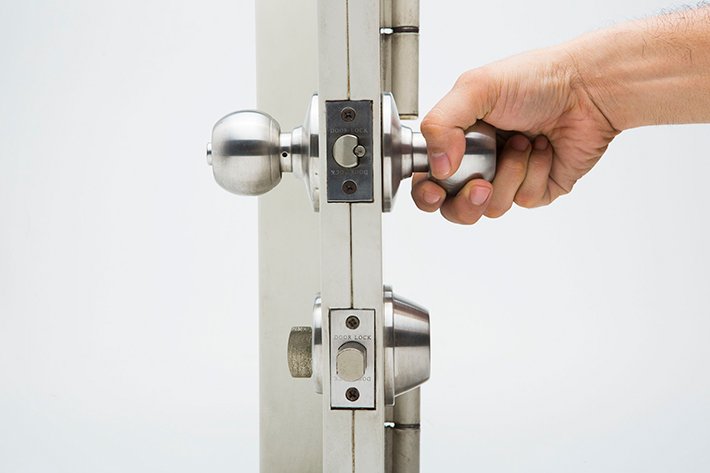
A strike plate is a metal piece attached to the door frame where the deadbolt extends when locked. Its main function is to reinforce the area around the latch or bolt, distributing force and making it harder for intruders to kick in the door. While it may seem like a simple piece of hardware, the quality and installation of this component are crucial for effective security.
Many homeowners assume that the lock cylinder or bolt is the most important part of a deadbolt system. However, without a sturdy strike plate, even the strongest lock can fail under pressure. The strike plate acts as the anchor point, absorbing and spreading out the force of any attempted break-in.
Why the Strike Plate Matters for Security
The importance of a deadbolt strike plate becomes clear when you consider common break-in methods. Burglars often target the door frame, knowing that a weak or improperly installed strike plate can be a vulnerability. A standard, thin strike plate secured with short screws offers little resistance to forceful entry.
Upgrading to a heavy-duty strike plate with long screws that penetrate deep into the wall stud can dramatically improve your door’s ability to withstand kicks or prying. This simple upgrade is one of the most cost-effective ways to boost your home’s security without replacing the entire door or lockset.

Key Features of an Effective Strike Plate
Not all strike plates are created equal. Here are some features to look for when evaluating or upgrading this essential part of your door hardware:
- Material Strength: Look for plates made from hardened steel or other durable metals. Thicker plates offer more resistance to bending or breaking.
- Size and Coverage: Larger plates with extended lips provide more surface area and better protection for the door frame.
- Screw Length: Standard plates often use short screws that only anchor into the door jamb. High-security plates use 3-inch or longer screws that reach the wall stud, greatly increasing holding power.
- Reinforcement: Some high-security strike plates include additional metal boxes or reinforcements that surround the bolt, making it even harder to force the door open.
Upgrading to a reinforced strike plate is a straightforward project for most homeowners and can be done with basic tools. If you’re unsure about installation, a professional locksmith can ensure everything is aligned and secured properly.
Common Mistakes When Installing Strike Plates
Even the best hardware can fail if not installed correctly. Here are some frequent errors that reduce the effectiveness of a strike plate:
- Using the original short screws supplied with the plate instead of longer, more secure ones.
- Failing to align the plate perfectly with the deadbolt, causing the bolt to rest on the edge of the plate rather than fully inside the hole.
- Not reinforcing the door frame itself, especially if the wood is old or damaged.
- Overlooking the strike plate entirely when upgrading locks, leaving a weak point in an otherwise strong system.
Taking the time to install a quality strike plate with proper hardware can mean the difference between a failed break-in attempt and a compromised home.
How Strike Plates Work with Other Security Features
The role of the deadbolt strike plate is just one part of a comprehensive security strategy. For maximum protection, consider pairing a reinforced strike plate with other features such as anti-drill deadbolts, anti-bump locks, and solid core doors. These elements work together to create multiple layers of defense.
For example, if you’re concerned about lock bumping or drilling attacks, you can explore anti drill deadbolt features or learn about anti bump deadbolt locks explained for additional peace of mind.
Additionally, understanding the different types of deadbolts available can help you make informed decisions about your security setup. For a detailed comparison, see this guide to deadbolt lock types and their unique features.
When Should You Upgrade Your Strike Plate?
If your home has an older door or you haven’t upgraded your locks in years, it’s likely that your strike plate is due for an upgrade. Signs that you should consider replacing or reinforcing your strike plate include:
- Visible wear, rust, or bending on the plate.
- Loose screws or movement when the door is opened or closed.
- Short screws that do not reach the wall stud.
- Recent break-in attempts or concerns about neighborhood security.
Even if your locks are new, don’t assume the included strike plate is sufficient. Many manufacturers include basic plates that meet minimum standards but offer little real protection. Upgrading is a low-cost, high-impact improvement.
Professional Installation vs. DIY
While installing a strike plate is a manageable DIY project for many, there are advantages to hiring a professional locksmith. A skilled technician can assess your door frame, recommend the best hardware, and ensure everything is installed to maximize security. If you’re curious about the cost, you can find out how much does a locksmith charge for deadbolt installation before making a decision.
Whether you choose to do it yourself or call in an expert, the key is not to overlook this crucial part of your door’s defense system.
Frequently Asked Questions
How does a strike plate improve door security?
A strike plate reinforces the area where the deadbolt enters the door frame, distributing force and making it much harder for someone to kick in the door. When paired with long screws and solid construction, it significantly increases resistance to forced entry.
Can I install a heavy-duty strike plate myself?
Yes, many homeowners can install or upgrade a strike plate with basic tools. The most important steps are using long screws that reach the wall stud and ensuring the plate is aligned with the deadbolt. If you’re unsure, a locksmith can help with installation.
Is upgrading the strike plate enough for good security?
While a reinforced strike plate is a major improvement, it’s best used as part of a layered security approach. Combine it with a quality deadbolt, solid door, and other features like anti-bump or anti-drill protection for optimal results.
In summary, paying attention to the deadbolt strike plate importance is one of the smartest steps you can take to enhance your home’s security. This small piece of hardware plays a big role in keeping your property and loved ones safe.