Smart home security is evolving rapidly, and Bluetooth deadbolt locks are at the forefront of this transformation. These innovative devices offer a blend of convenience, security, and modern technology, making them an attractive option for homeowners seeking to upgrade their entryways. This guide explores the essential features, advantages, and potential drawbacks of Bluetooth-enabled deadbolts, helping you make an informed decision for your property.
Before diving into the specifics of these smart locks, it’s important to consider the broader context of home security. For those interested in maintaining robust protection, understanding deadbolt strike plate importance is a critical aspect that complements the adoption of advanced locking systems.
Understanding Smart Deadbolts with Bluetooth Connectivity
Bluetooth-enabled deadbolts are a type of electronic lock that uses short-range wireless technology to communicate with authorized devices, such as smartphones or tablets. Unlike traditional mechanical locks, these smart devices allow users to unlock doors without a physical key, relying instead on secure digital credentials.
Most Bluetooth deadbolts are designed for residential use but are increasingly found in small businesses and rental properties. Their main appeal lies in the ability to grant, revoke, or monitor access remotely, enhancing both security and convenience for property owners.
Key Features of Modern Bluetooth Deadbolt Locks
When evaluating smart deadbolts, it’s essential to understand the core features that set them apart from standard locks. Here are some of the most notable characteristics:
- Keyless Entry: Unlock your door using a smartphone app, eliminating the need for traditional keys.
- Temporary Access Codes: Grant time-limited access to guests, service providers, or tenants.
- Activity Monitoring: Track who enters and exits your home with real-time notifications or access logs.
- Auto-Lock Functionality: Automatically secure your door after a set period, reducing the risk of leaving it unlocked.
- Integration with Smart Home Systems: Many models are compatible with voice assistants or home automation platforms.
- Battery-Powered Operation: Most Bluetooth deadbolts run on standard batteries, with low-battery alerts to prevent lockouts.
Advantages of Bluetooth-Enabled Deadbolts
Adopting a Bluetooth-based locking system brings several benefits to homeowners and property managers. Here are some of the primary advantages:
- Convenience: No more fumbling for keys or worrying about lost copies. Access is managed through your mobile device.
- Enhanced Security: Digital credentials are harder to duplicate than physical keys, and access can be revoked instantly if needed.
- Remote Management: Some models allow you to lock or unlock doors from a distance, ideal for letting in guests or service personnel.
- Customizable Access: Grant different levels of access to family members, friends, or short-term visitors.
- Integration Potential: These locks often work with other smart home devices, enabling automation and voice control.
For those seeking to further enhance their door security, consider learning about how to strengthen a door frame for added protection alongside your smart lock investment.
Potential Drawbacks and Limitations
While Bluetooth deadbolts offer many advantages, they are not without their challenges. It’s important to weigh the following considerations before making a purchase:
- Battery Dependency: These locks require regular battery changes. If the battery dies, you may be locked out unless a backup key or charging method is available.
- Bluetooth Range: Bluetooth connectivity is limited to short distances, typically around 30 feet. Remote access may require additional hardware or integration with Wi-Fi.
- Compatibility Issues: Not all smart home systems or mobile devices are compatible with every Bluetooth deadbolt model.
- Security Concerns: While generally secure, any smart device can be vulnerable to hacking if not properly updated and configured.
- Installation Complexity: Some models require professional installation, especially if retrofitting older doors.

Comparing Bluetooth Deadbolts to Other Smart Locks
Bluetooth-enabled deadbolts are just one option in a growing market of smart security devices. Other types include Wi-Fi locks, Z-Wave locks, and traditional electronic deadbolts. Each technology offers distinct advantages:
- Wi-Fi Locks: Provide true remote access from anywhere with an internet connection but may consume more battery power.
- Z-Wave Locks: Integrate seamlessly with home automation hubs but require a compatible controller.
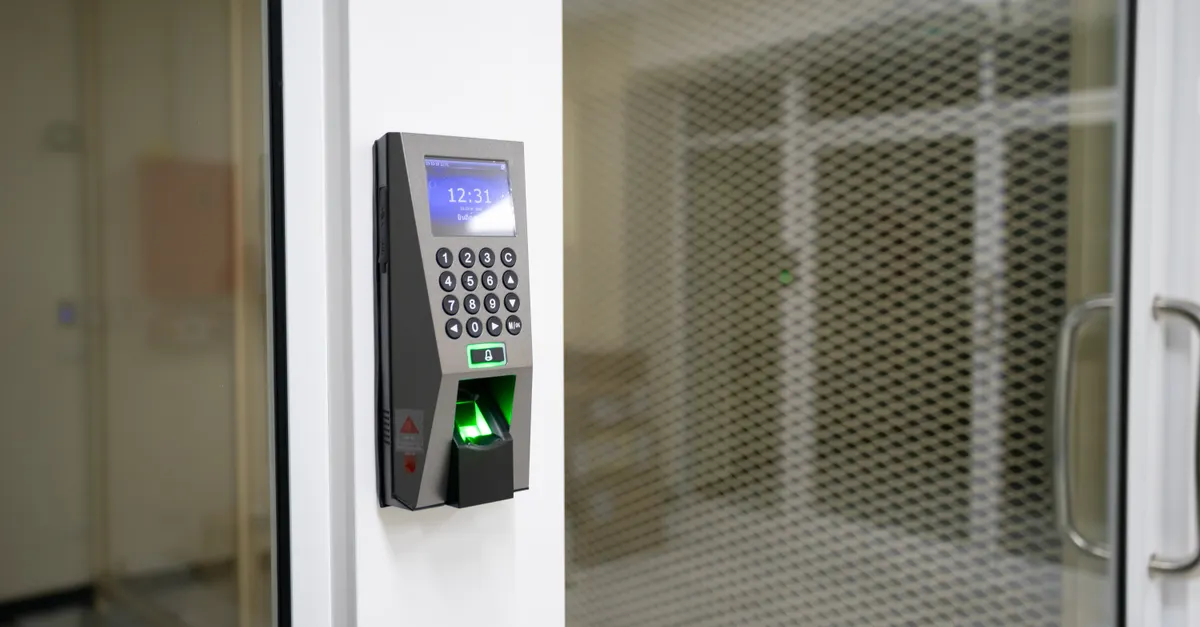
- Traditional Electronic Deadbolts: Often use keypads or RFID cards, offering keyless entry without wireless connectivity.
For a broader overview of deadbolt types and their unique features, check out this comprehensive guide to common deadbolt types.
Installation and Maintenance Tips
Installing a Bluetooth deadbolt is typically straightforward, especially for models designed to retrofit existing doors. Here are some practical tips for a smooth installation and long-term performance:
- Read the manufacturer’s instructions thoroughly before beginning installation.
- Ensure your door and frame are properly aligned to prevent operational issues.
- Test the lock’s functionality with the app before finalizing installation.
- Set reminders to check and replace batteries regularly.
- Keep firmware updated to address security vulnerabilities and improve performance.
For ongoing security, it’s wise to review deadbolt security tips for homeowners and stay informed about best practices for smart lock maintenance.
Who Should Consider Bluetooth-Connected Deadbolts?
These smart locks are ideal for:
- Homeowners seeking convenience and modern security features.
- Short-term rental hosts who need to manage guest access efficiently.
- Small business owners looking for flexible entry control.
- Anyone interested in integrating their locks with a broader smart home ecosystem.
However, those who prefer traditional security methods or who are concerned about technology reliability may want to explore mechanical alternatives or hybrid models that offer both key and digital entry.
Frequently Asked Questions
Are Bluetooth deadbolts as secure as traditional locks?
Bluetooth-enabled deadbolts offer strong security features, including encrypted communication and customizable access. However, their overall safety depends on proper installation, regular software updates, and strong password management. Combining them with robust physical security measures, such as reinforced strike plates, enhances protection.
What happens if the battery dies in my Bluetooth deadbolt?
Most smart deadbolts provide low-battery warnings through their apps. If the battery is completely depleted, many models include a backup key slot or an emergency charging port. Always check your lock’s specifications and keep spare batteries on hand.
Can I use a Bluetooth deadbolt without a smartphone?
Some models offer alternative access methods, such as keypads or physical keys, in addition to smartphone control. However, the full range of features—like remote access and activity logs—typically requires a compatible mobile device.
Conclusion
Bluetooth-enabled deadbolts represent a significant step forward in home security, offering a balance of convenience, flexibility, and modern technology. By understanding their features, benefits, and limitations, you can determine if this smart solution aligns with your security needs. For those considering an upgrade, pairing a smart deadbolt with other security measures—like reinforced door frames and regular lock maintenance—provides comprehensive protection for your home or business.