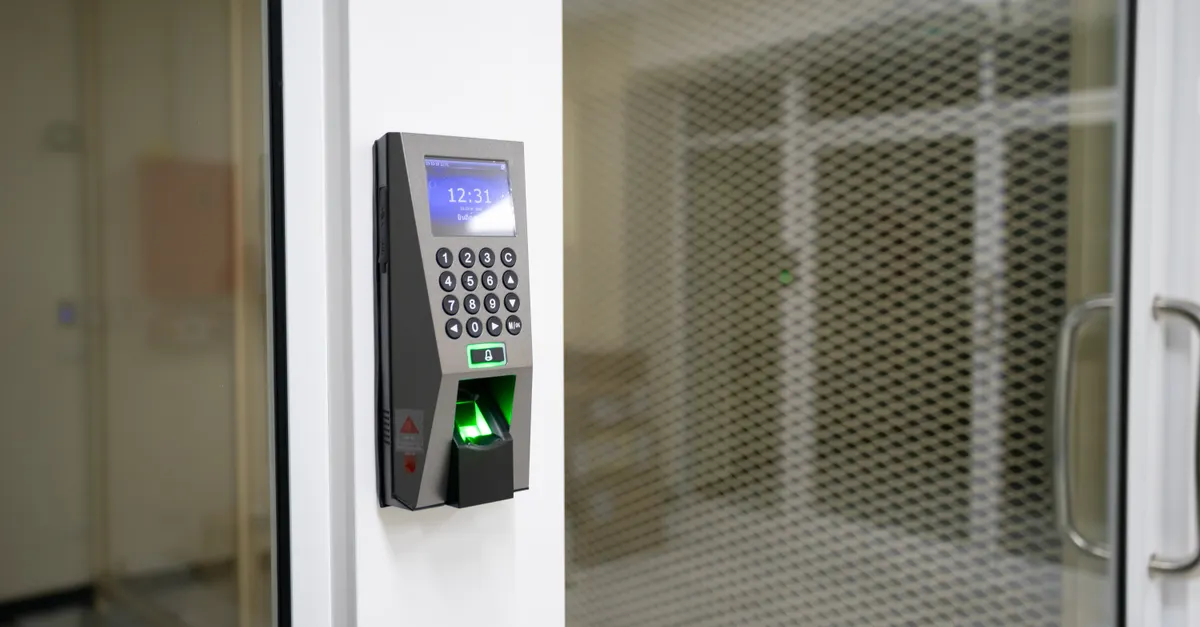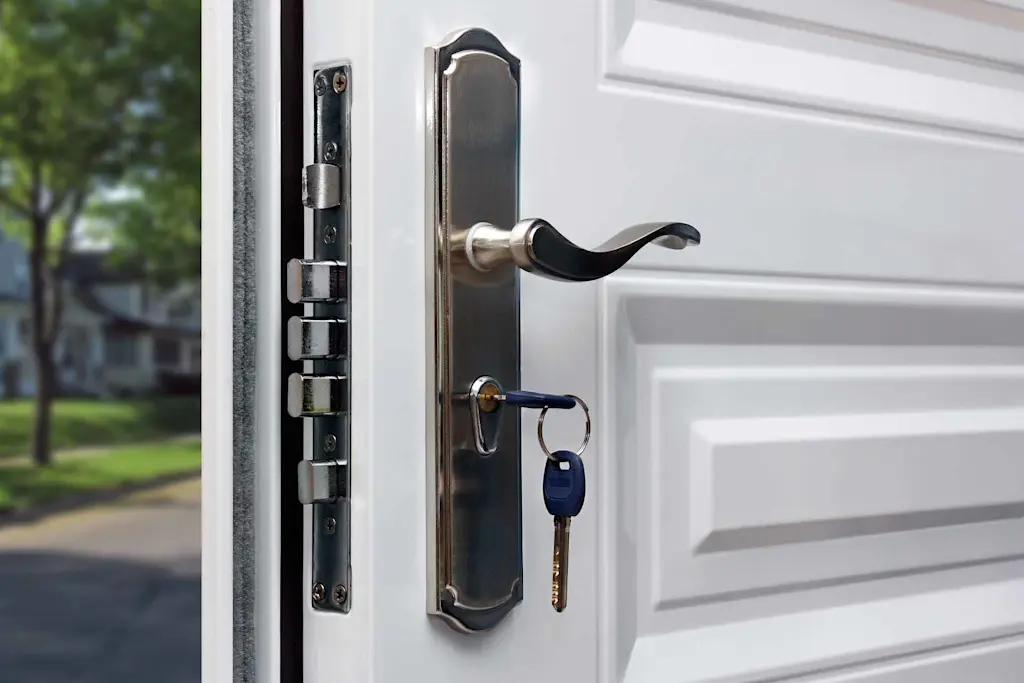
Smart locks have become a popular choice for homeowners seeking convenience and enhanced control over their property’s security. With features like remote access, keyless entry, and integration with home automation systems, these devices offer a modern upgrade to traditional locks. However, as with any connected technology, concerns about can smart deadbolts be hacked have become increasingly relevant. Understanding the real risks, how these devices can be compromised, and practical steps to protect your home is essential before making the switch.
For those considering an upgrade or wanting to ensure their current setup is as secure as possible, it’s also important to pay attention to all aspects of door security. For example, learning about deadbolt strike plate importance can help strengthen your home’s defenses beyond just the lock itself.
Understanding How Smart Locks Work
Before diving into the vulnerabilities, it’s helpful to know how these devices operate. Smart deadbolts typically use wireless communication protocols such as Bluetooth, Wi-Fi, or Z-Wave to connect with smartphones, home networks, or automation hubs. Users can lock or unlock their doors remotely, grant temporary access codes, and monitor entry logs through dedicated apps.
Most models retain a physical keyway as a backup, but the main appeal lies in their digital features. While these capabilities offer convenience, they also introduce new attack surfaces that traditional mechanical locks do not have.
Common Security Risks: Can Smart Deadbolts Be Hacked?
The question of whether these devices can be compromised is not just theoretical. There have been real-world cases where vulnerabilities were exploited. Here are some of the most common risks associated with connected door locks:
- Weak Passwords and PINs: Many users fail to change default codes or use simple combinations, making brute-force attacks easier for intruders.
- Unpatched Firmware: Manufacturers regularly release updates to fix security flaws. Failing to update the device can leave it open to known exploits.
- Bluetooth and Wi-Fi Attacks: Hackers can intercept or spoof wireless signals, especially if encryption is weak or absent. Bluetooth Low Energy (BLE) attacks, for instance, have been demonstrated on some models.
- App Vulnerabilities: The mobile apps used to control smart locks can be targeted if they lack proper security measures, potentially exposing user credentials or allowing unauthorized access.
- Physical Bypass: Some smart locks are vulnerable to traditional lockpicking or forced entry, especially if the mechanical components are not robust.
Real-World Examples of Smart Lock Vulnerabilities
Several high-profile incidents have highlighted the risks of connected deadbolts. In some cases, researchers have demonstrated the ability to unlock doors using simple tools or by exploiting weaknesses in the lock’s software. For example, certain Bluetooth-enabled models were found to be susceptible to replay attacks, where an attacker could capture and reuse a valid unlock signal. Other vulnerabilities have included:
- Exposed APIs that allowed attackers to control locks remotely
- Hardcoded credentials within the device firmware
- Insecure cloud storage of user data and access codes
While manufacturers often respond quickly to patch these flaws, the incidents underscore the importance of ongoing vigilance and regular updates.
Comparing Smart and Traditional Deadbolts
It’s important to note that no lock is completely immune to being bypassed. Traditional deadbolts can be picked, bumped, or forced open. However, digital locks add another layer of complexity, introducing potential cyber threats alongside physical ones.
One advantage of smart locks is the ability to monitor access and receive alerts about suspicious activity. On the other hand, their reliance on software and connectivity means that a successful cyberattack could potentially unlock your door without any physical evidence of tampering.
For a deeper understanding of mechanical lock security, you can refer to resources like this comprehensive guide on deadbolt lock security.
How to Reduce the Risk of Smart Lock Hacking
While the risks are real, there are practical steps homeowners can take to minimize the chances of unauthorized access:
- Change Default Credentials: Always set strong, unique passwords and PINs for your devices and associated apps.
- Enable Two-Factor Authentication: If your smart lock or its app supports it, enable this feature for an added layer of security.
- Keep Firmware Updated: Regularly check for and install updates from the manufacturer to patch known vulnerabilities.
- Secure Your Home Network: Use strong Wi-Fi passwords and consider setting up a separate network for smart devices.
- Limit App Permissions: Only grant necessary permissions to the lock’s mobile app and avoid installing apps from untrusted sources.
- Monitor Access Logs: Take advantage of features that let you review who has accessed your lock and when.
- Choose Reputable Brands: Opt for devices from manufacturers with a strong track record of security and customer support.
Additional Steps for Enhanced Door Security
Securing your home goes beyond just choosing the right lock. Reinforcing other entry points and components can make a significant difference. For example, understanding how to strengthen a door frame helps prevent forced entry, even if a lock is compromised. Similarly, regularly reviewing deadbolt security tips for homeowners ensures you stay updated on best practices.
It’s also wise to periodically assess all your locks and consider when it might be time for a replacement. For guidance, see advice on how often should locks be replaced to maintain optimal security.
Smart Deadbolt Security: What the Experts Say
Security professionals generally agree that while connected locks do introduce new risks, they can be a safe option if installed and maintained properly. The key is to treat them as part of a broader security strategy, not as a standalone solution. Combining robust hardware, strong digital hygiene, and physical reinforcements offers the best protection.
Homeowners should stay informed about the latest threats and updates from manufacturers. Subscribing to security alerts and regularly reviewing device settings can help you stay ahead of potential vulnerabilities.
FAQ: Smart Lock Security and Hacking Concerns
Are smart deadbolts more vulnerable than traditional locks?
While traditional locks can be picked or forced, smart deadbolts add the possibility of cyberattacks. However, with strong passwords, regular updates, and secure installation, the risk can be managed effectively. Both types have their own vulnerabilities, so a layered approach to security is best.
What should I do if I suspect my smart lock has been compromised?
If you notice unusual activity, such as unexpected unlocks or failed login attempts, immediately change your passwords and check for firmware updates. Review access logs and consider resetting the device to factory settings. If the issue persists, contact the manufacturer for support and consider consulting a security professional.
Can hackers unlock my smart deadbolt remotely?
In rare cases, if a vulnerability exists and the device is not updated or properly secured, remote unlocking is possible. However, most reputable brands use strong encryption and security measures to prevent this. Following best practices—like enabling two-factor authentication and keeping software up to date—greatly reduces the risk.
Is it safe to use smart locks for rental properties or Airbnb?
Smart locks can be a convenient solution for managing access to rental properties, allowing you to issue and revoke codes remotely. To maximize safety, always use strong, unique codes for each guest, change them regularly, and monitor access logs. Choose a lock with proven security features and responsive customer support.
Conclusion
The rise of smart home technology brings both convenience and new security challenges. While it is possible for smart deadbolts to be hacked under certain conditions, the risks can be minimized with proactive measures. By choosing reputable brands, keeping devices updated, and reinforcing other aspects of your home’s security, you can enjoy the benefits of keyless entry without undue worry. Stay informed, remain vigilant, and treat your smart lock as one part of a comprehensive approach to protecting your home.