Humidity is a common environmental factor that can quietly impact the security and functionality of your home’s entry points. Many homeowners notice that their doors or locks feel sticky, stiff, or difficult to operate during certain times of the year. Understanding how humidity affects door locks is essential for maintaining both convenience and safety. This article explores the science behind moisture’s effect on locking mechanisms, the types of problems it can cause, and practical steps you can take to prevent long-term damage.
If you’re interested in broader weather-related lock concerns, you may also want to read about how weather affects deadbolt locks for additional insights.
Why Moisture Impacts Lock Performance
Locks are precision devices made from metal components that must move smoothly to secure your property. When the air contains high levels of moisture, several things can happen:
- Metal Expansion: Most metals expand slightly when exposed to heat and humidity, causing internal lock parts to fit more tightly together.
- Corrosion and Rust: Prolonged exposure to moisture can lead to oxidation, resulting in rust and corrosion that degrade the lock’s integrity.
- Swelling of Door Materials: Wooden doors and frames absorb moisture, swelling and shifting alignment, which can make locks difficult to engage or disengage.
These combined effects can cause locks to stick, keys to become difficult to insert or turn, and in some cases, complete lock failure.
Common Signs of Humidity-Related Lock Issues
Recognizing the symptoms of moisture-related lock problems early can help you address them before they lead to costly repairs or security risks. Look out for these warning signs:
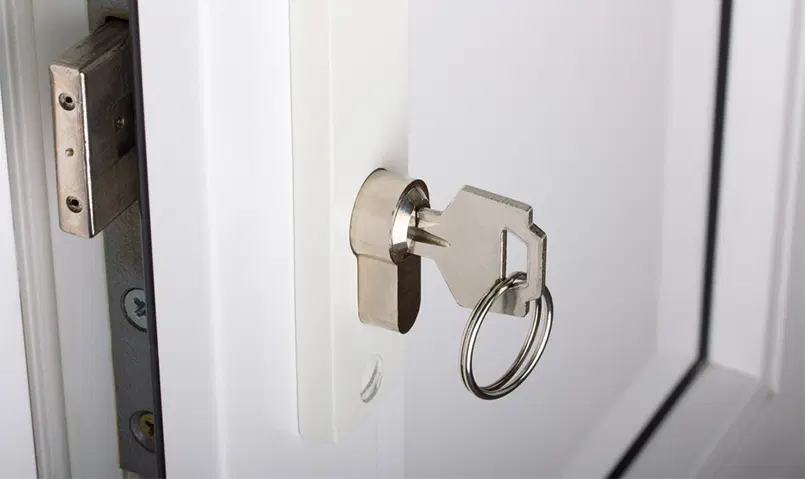
- Difficulty turning the key: If your key feels stiff or gets stuck, humidity may be causing internal parts to swell or corrode.
- Lock feels gritty or rough: This can be a sign of rust or debris forming inside the mechanism due to moisture exposure.
- Door misalignment: Swollen doors may cause the latch or deadbolt to miss the strike plate, making it hard to lock or unlock.
- Visible rust or discoloration: Any reddish or brownish stains on the lock or keyhole indicate corrosion is underway.
Addressing these issues promptly can prevent more severe damage and maintain your home’s security.
How Humidity Affects Different Types of Locks
Not all locks are equally vulnerable to moisture. Here’s how various lock types respond to humid conditions:
| Lock Type | Humidity Impact | Prevention Tips |
|---|---|---|
| Traditional Pin Tumbler | Prone to sticking, rust, and internal corrosion. | Regular lubrication and cleaning. |
| Deadbolts | Can seize or become misaligned if door swells. | Check alignment and lubricate moving parts. |
| Smart Locks | Electronic components may be sensitive to condensation. | Ensure weatherproofing and battery maintenance. |
| Padlocks | High risk of rust, especially outdoors. | Use weather-resistant models and cover when possible. |
For more on resolving electronic lock issues, see our guide to common smart lock issues.
Preventing Damage from Humidity
Taking proactive steps can significantly reduce the risk of lock damage caused by excess moisture. Here are some practical measures:
- Lubricate Regularly: Apply a graphite-based or silicone lock lubricant every few months to keep internal parts moving smoothly and repel moisture.
- Seal and Paint Door Frames: Protect wooden doors and frames with high-quality sealants or paint to minimize moisture absorption and swelling.
- Install Weatherstripping: Adding or replacing weatherstripping around doors helps keep humid air outside and maintains proper alignment.
- Use Dehumidifiers: In particularly damp climates, a dehumidifier near entryways can help control indoor humidity levels.
- Choose Corrosion-Resistant Locks: Opt for locks made from stainless steel, brass, or those with weather-resistant coatings for exterior doors.
Regular maintenance is the best defense against moisture-related lock problems. For keypad and smart locks, you may also want to review keypad deadbolt troubleshooting to address electronic malfunctions that can be exacerbated by humidity.
Long-Term Solutions for Humid Environments
For those living in areas with consistently high humidity, it’s worth investing in long-term solutions to protect your locks and doors:
- Upgrade to Weatherproof Locks: Many modern locks are designed to resist moisture and corrosion. Look for products rated for outdoor or marine use.
- Replace Swollen Doors: Severely warped or swollen doors may need replacement with composite or metal alternatives that are less susceptible to moisture.
- Monitor Indoor Humidity: Use a hygrometer to track humidity levels and keep them below 60% whenever possible.
- Schedule Professional Maintenance: Annual inspections by a locksmith can catch early signs of wear and ensure all components are functioning correctly.
For more information on deadbolt types and their durability, explore this comprehensive guide to deadbolt locks from a leading manufacturer.
Frequently Asked Questions
Can humidity cause a lock to stop working completely?
Yes, excessive moisture can cause internal components to rust, swell, or seize, leading to complete lock failure if not addressed. Regular maintenance and using corrosion-resistant locks can help prevent this outcome.
What is the best lubricant for locks exposed to humidity?
Graphite-based lubricants are ideal for most mechanical locks, as they do not attract dust or moisture. Silicone sprays can also be effective, especially for outdoor locks. Avoid oil-based products, which can gum up over time.
How can I tell if my door alignment is affected by moisture?
If your door is difficult to close, the lock doesn’t line up with the strike plate, or you notice gaps or swelling around the frame, humidity may be causing the door to expand. Adjusting hinges or installing weatherstripping can help restore proper alignment.
Conclusion
Understanding how humidity affects door locks is key to preserving the security and usability of your home’s entryways. By recognizing early signs of trouble, performing regular maintenance, and investing in weather-resistant products, you can protect your locks from moisture-related damage year-round. Staying proactive ensures your locks remain reliable, no matter the climate.