Choosing the right deadbolt lock for extreme weather is essential for anyone living in regions with harsh climates. Whether you face freezing winters, humid summers, or frequent storms, your entryway security depends on a lock that can withstand the elements. Not all deadbolts are created equal—some materials and designs are far more resilient against moisture, temperature swings, and corrosion. This article explores the top-rated options, key features to look for, and practical tips for ensuring your lock remains reliable year-round.
Understanding how different weather conditions impact lock performance is crucial. For a deeper dive into the effects of temperature and humidity on lock mechanisms, see how weather affects deadbolt locks. This resource explains common issues and preventative measures, helping you make informed choices for your home or business.
What Makes a Deadbolt Weather-Resistant?
Not every lock is built to handle the rigors of extreme climates. The best deadbolt lock for extreme weather features specific materials and engineering that protect against rust, freezing, and warping. Here are the most important characteristics to consider:
- Material Quality: Stainless steel and brass are highly resistant to corrosion and rust, making them ideal for outdoor use.
- Weather Seals: Gaskets and rubber seals prevent moisture from entering the lock mechanism, reducing the risk of freezing or internal rust.
- Protective Coatings: Powder-coated or specially treated finishes add an extra layer of defense against rain, snow, and UV rays.
- Design: Some locks are designed with covered keyholes or shielded cylinders to block wind-driven rain and debris.
When evaluating options, always check for certifications or manufacturer claims about weather resistance. Locks specifically labeled for outdoor or marine use typically offer better durability in challenging environments.
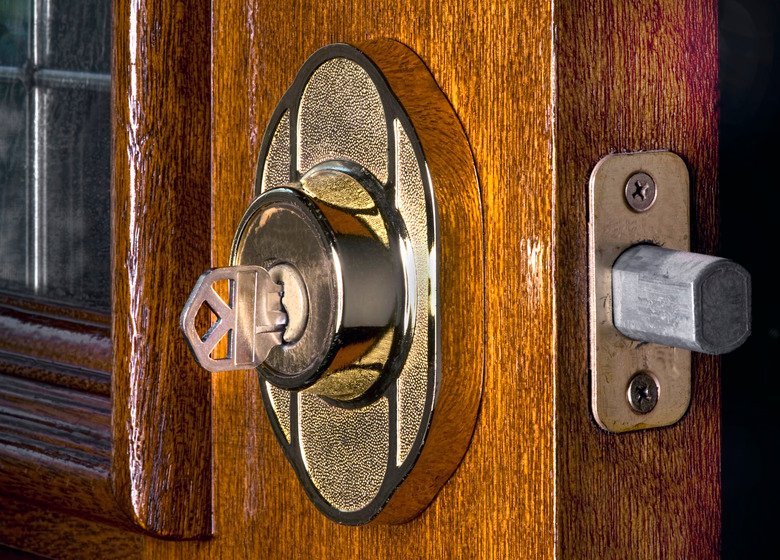
Top Materials for Harsh Weather Deadbolts
Material selection is the foundation of a lock’s ability to withstand the elements. Here’s how the most common materials perform in tough climates:
| Material | Weather Resistance | Common Uses |
|---|---|---|
| Stainless Steel | Excellent against rust, corrosion, and temperature swings | Coastal, humid, and snowy regions |
| Brass | Very good; naturally resists corrosion | General outdoor use |
| Zinc Alloy | Moderate; may corrode without coatings | Budget-friendly locks |
| Aluminum | Lightweight but less durable in harsh weather | Interior or mild climates |
For the most reliable performance, prioritize locks made from stainless steel or solid brass. These materials are proven to last longer and retain their strength even after years of exposure.
Best Deadbolt Types for Challenging Climates
There are several types of deadbolts, each offering unique advantages for weather resistance. For a comprehensive overview of the different styles, see this guide to common deadbolt types. Below are the most popular choices for extreme weather:
- Single Cylinder Deadbolts: Simple and reliable, these are less prone to internal condensation and freezing compared to more complex mechanisms.
- Double Cylinder Deadbolts: Require a key on both sides, which can be safer in windy or storm-prone areas where glass panels are present.
- Smart Deadbolts: Many modern smart locks are rated for outdoor use, but always check for IP ratings and weatherproof certifications before installing.
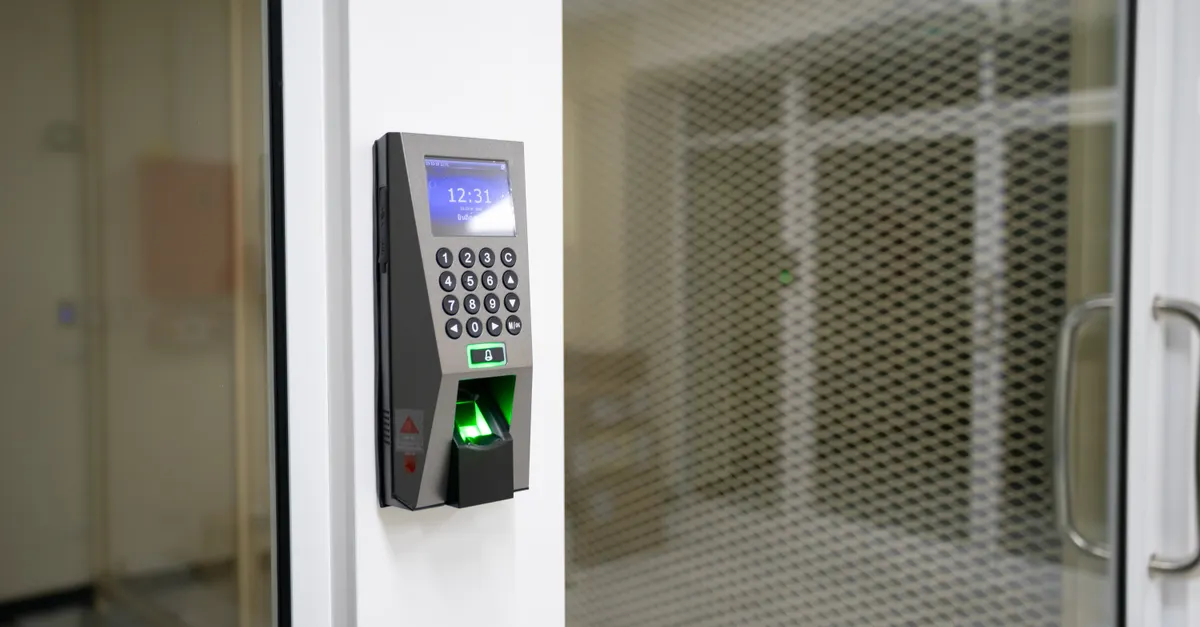
- Keyless Entry Deadbolts: These often feature sealed keypads and electronics designed to resist moisture and dust.
When installing any lock, make sure the door and frame are also weather-sealed to prevent drafts and water intrusion, which can affect lock performance over time.
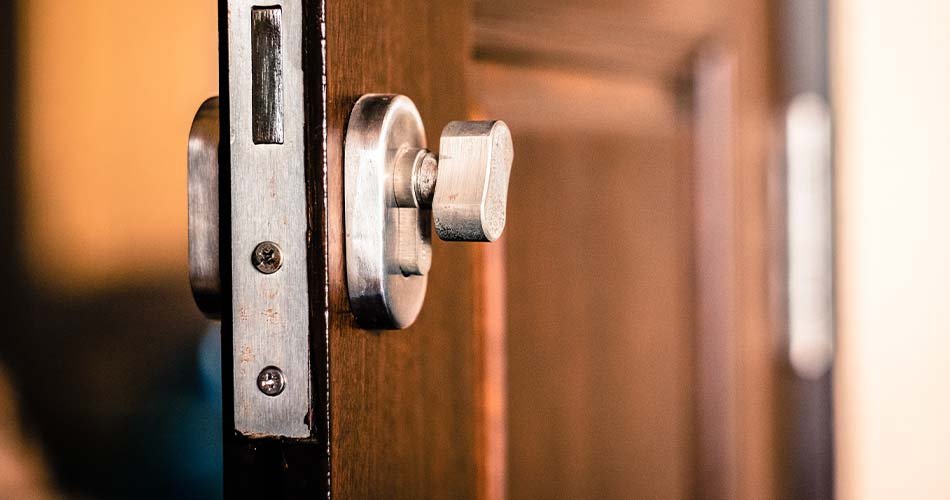
Installation and Maintenance Tips for Weatherproof Deadbolts
Proper installation and regular upkeep are just as important as choosing the right lock. Here are practical steps to maximize the lifespan and reliability of your deadbolt lock for extreme weather:
- Seal the Door Frame: Use weatherstripping around the door to prevent water and wind from reaching the lock mechanism.
- Lubricate Regularly: Apply a silicone-based lubricant to the lock cylinder and moving parts every few months, especially before winter or rainy seasons.
- Inspect for Rust: Check for signs of corrosion or buildup. Clean with a soft brush and mild cleaner as needed.
- Protect Electronics: For smart or keypad deadbolts, ensure battery compartments are sealed and replace batteries before extreme cold or heat sets in. For more on this, see how to change deadbolt batteries.
- Test Operation: Open and close the lock periodically to ensure smooth function, especially after storms or temperature drops.
Following these steps can help prevent common issues such as sticking, freezing, or electronic malfunctions, keeping your property secure regardless of the weather.
Top-Rated Deadbolts for Severe Weather Conditions
Based on expert reviews and user feedback, several models stand out for their durability and performance in harsh environments. While specific brands may vary, look for these features in any product you consider:
- ANSI Grade 1 or 2 Certification: Indicates high security and robust construction.
- Weatherproof Seals: Look for locks with integrated gaskets or shields around the cylinder and keyhole.
- Reinforced Strike Plates: Adds strength and prevents forced entry, especially important in areas prone to strong winds.
- IP Ratings: For electronic models, an IP65 or higher rating ensures resistance to dust and water ingress.
When shopping, read product descriptions carefully and consult customer reviews for real-world feedback on performance in your specific climate.
Frequently Asked Questions
What is the best material for a deadbolt in coastal or humid areas?
Stainless steel is the top choice for coastal and humid environments due to its exceptional resistance to rust and corrosion. Solid brass is also a strong contender, but stainless steel generally offers superior longevity in salty or damp conditions.
How do I prevent my deadbolt from freezing in winter?
To avoid freezing, choose a lock with weather seals and regularly lubricate the cylinder with a silicone-based product. Installing weatherstripping around the door and covering the keyhole during severe cold snaps can also help. For more troubleshooting tips, see keypad deadbolt troubleshooting.
Are smart deadbolts reliable in extreme weather?
Many modern smart deadbolts are designed for outdoor use, but it’s important to check for weatherproof ratings and ensure the electronics are well-sealed. Regular maintenance and timely battery replacement are key to preventing malfunctions in harsh conditions. If you encounter issues, resources like common smart lock issues can provide solutions.
Conclusion
Investing in a deadbolt lock for extreme weather is a smart move for anyone seeking reliable security in challenging climates. By focusing on material quality, weatherproof features, and proper maintenance, you can ensure your entryway remains protected year-round. Take the time to research and choose a lock that matches your region’s specific demands, and don’t hesitate to consult expert resources for ongoing care and troubleshooting.