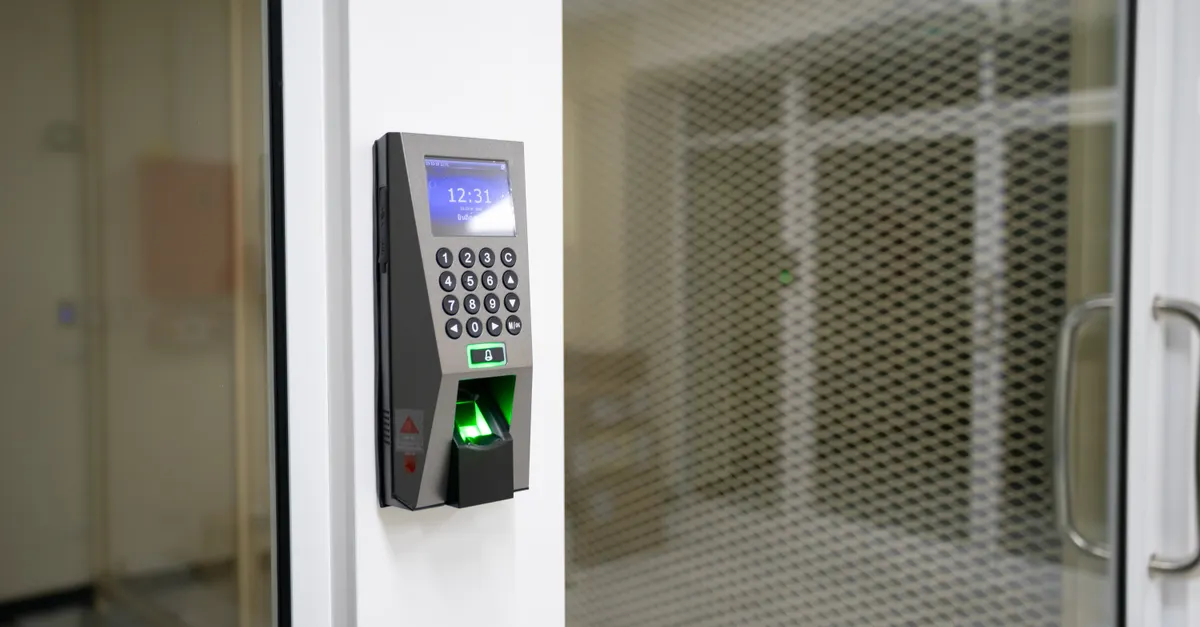
Electronic and smart deadbolts have become a staple in modern home security, offering convenience and enhanced protection. However, like any battery-powered device, these locks require periodic battery changes to function reliably. If your keypad deadbolt is beeping, flashing a low-battery warning, or simply not responding, it’s likely time to swap out the batteries. Learning how to change deadbolt batteries is a straightforward process that can save you from lockouts and ensure your entryway remains secure.
In this article, you’ll find a step-by-step walkthrough for replacing batteries in most electronic deadbolts, tips for maintaining your lock, and answers to common questions. Whether you have a basic keypad model or a more advanced smart lock, these instructions will help you keep your entry system running smoothly.
For those interested in exploring advanced entry solutions, you might also want to read about the best keypad deadbolt locks for keyless entry, which offer a range of features and battery life options.
Why Battery Replacement Matters for Electronic Deadbolts
Electronic deadbolts rely entirely on battery power to operate their locking mechanisms, keypads, and smart features. When the batteries run low, you may experience:
- Slow or unresponsive keypad or touchscreen
- Warning beeps or flashing lights
- Complete lockout if the battery dies
- Loss of smart features, such as remote access or Bluetooth connectivity
Regularly checking and replacing batteries ensures your lock remains reliable and prevents unexpected inconveniences.
Tools and Supplies Needed
Before you begin, gather the following:
- Fresh batteries (typically AA or 9V, check your lock’s manual)
- A small Phillips screwdriver (if required for your lock model)
- A soft cloth for cleaning contacts, if needed
Most battery compartments are designed for easy access, but some models may require removing a few screws.
Step-by-Step Instructions: Changing Batteries in Your Deadbolt
Follow these steps to safely and efficiently replace the batteries in your electronic deadbolt:

-
Locate the Battery Compartment
The battery compartment is usually found on the interior side of the door, behind a cover above or below the thumb turn. Some locks have a sliding or hinged cover, while others may require removing a screw or two.
-
Remove the Cover
Gently slide or lift the cover off. If screws are present, use your Phillips screwdriver to remove them and set them aside safely.
-
Take Out Old Batteries
Carefully remove the old batteries. Pay attention to their orientation (positive and negative ends) to ensure correct placement of the new ones.
-
Inspect and Clean Contacts
Check the battery contacts for any corrosion or debris. Wipe them gently with a dry cloth if necessary. Clean contacts help maintain a strong electrical connection.
-
Insert New Batteries
Install the fresh batteries, matching the orientation as indicated. Most deadbolts use four AA batteries, but some models require a 9V battery. Refer to your lock’s manual if unsure.
-
Replace the Cover
Secure the battery cover back in place. If screws were removed, reinsert and tighten them gently—avoid over-tightening to prevent damage.
-
Test the Lock
Operate the keypad, touchscreen, or smart features to confirm the lock is functioning properly. Listen for any beeps or watch for indicator lights to ensure the battery replacement was successful.
Tips for Maximizing Battery Life in Your Deadbolt
Getting the most out of your lock’s batteries can reduce maintenance and prevent unexpected lockouts. Here are some practical tips:
- Use high-quality alkaline batteries; avoid mixing old and new batteries.
- Check batteries every 6–12 months, or when prompted by low-battery warnings.
- Keep the battery compartment dry and free from dust or debris.
- If your lock supports it, enable battery-saving modes or disable unnecessary features like constant backlighting.
- Refer to the manufacturer’s guidelines for recommended battery brands and replacement intervals.
Common Deadbolt Models and Their Battery Replacement Methods
While most electronic deadbolts follow similar procedures, there are some differences between brands and models. Here’s a quick overview of popular types:
- Keypad Deadbolts: These typically have a battery compartment on the interior side, accessible by sliding or lifting a cover. Some may use a single 9V battery, while others use AA batteries.
- Smart Deadbolts: Models with Wi-Fi or Bluetooth may have additional features drawing more power. Always use fresh, high-quality batteries to support remote access and smart functions.
- Touchscreen Locks: These often alert you to low battery with a flashing light or audible beep. Battery access is usually straightforward, but always consult your user manual for specific instructions.
For more details on smart lock features and security, see the bluetooth deadbolt lock guide for an in-depth look at connectivity and maintenance.

When to Replace Batteries and Signs of Low Power
Most electronic deadbolts provide clear signals when batteries are running low. Look out for:
- Repeated beeping or flashing lights after unlocking or locking
- Sluggish keypad or touchscreen response
- Loss of wireless connectivity or app control
- Warning messages on the lock or associated app
Don’t wait until the lock stops working entirely. Proactively replacing batteries at the first sign of low power helps avoid lockouts and keeps your home secure.
Additional Resources and Product Recommendations
If you’re considering upgrading your entry system or want to compare different models, this guide to the best electronic deadbolts offers detailed reviews and battery life comparisons. For more security tips, check out our article on best home entry door security tips for peace of mind.
Frequently Asked Questions
How often should I change the batteries in my electronic deadbolt?
Most manufacturers recommend replacing batteries every 6 to 12 months. However, this can vary based on usage, battery quality, and lock features. Always replace batteries when you receive a low-battery warning or notice sluggish performance.
What type of batteries do most deadbolts use?
The majority of electronic deadbolts use AA alkaline batteries, though some models require a 9V battery. Always check your lock’s manual for the correct battery type and avoid mixing old and new batteries.
What should I do if my deadbolt stops working after changing the batteries?
If your lock is unresponsive after a battery change, double-check that the batteries are installed with the correct polarity and that the contacts are clean. If the issue persists, consult your user manual or contact the manufacturer for troubleshooting steps.
Can I use rechargeable batteries in my deadbolt?
Some manufacturers advise against using rechargeable batteries, as their voltage may be lower than standard alkaline batteries. Always refer to your lock’s documentation to ensure compatibility and optimal performance.
Conclusion
Knowing how to change deadbolt batteries is a simple yet essential skill for anyone with an electronic or smart lock. Regular battery maintenance ensures your lock remains reliable, secure, and ready to protect your home. By following the steps outlined above and keeping an eye on battery life, you’ll avoid unexpected lockouts and enjoy the convenience of keyless entry for years to come.