Understanding deadbolt lock codes and regulations is essential for anyone concerned with property security, whether you are a homeowner, landlord, contractor, or business owner. These standards are designed to ensure that locks provide adequate protection, function reliably, and comply with local safety requirements. Failing to meet these guidelines can lead to security vulnerabilities, legal issues, or even insurance complications.
This article breaks down the most important aspects of deadbolt standards, including how they are set, what to look for in compliant hardware, and practical tips for staying up to code. Along the way, you’ll find helpful resources and links to further information, including a guide to the best deadbolt brands explained to help you choose reliable products that meet regulatory requirements.
Why Deadbolt Standards Matter for Security and Compliance
Deadbolts are a primary line of defense against unauthorized entry. However, not all locks are created equal. Building codes and security regulations exist to ensure that deadbolts meet minimum requirements for strength, durability, and accessibility. Adhering to these rules helps prevent break-ins and ensures that occupants can exit safely during emergencies.
Many insurance policies also require that doors be fitted with compliant deadbolts. If a lock doesn’t meet local or national standards, claims related to theft or property damage may be denied. For landlords and property managers, non-compliance can result in fines or legal action if tenants are put at risk.
Key Organizations and Standards for Deadbolt Locks
Several organizations set the benchmarks for deadbolt performance and installation. The most widely recognized are:
- ANSI/BHMA (American National Standards Institute/Builders Hardware Manufacturers Association): Sets grading standards (Grade 1, 2, 3) for lock security and durability.
- International Building Code (IBC): Provides guidelines for commercial and residential construction, including door hardware requirements.
- Local Building Departments: May have additional or more specific rules based on regional safety needs.
When choosing a deadbolt, look for products that are clearly marked as ANSI/BHMA certified. Grade 1 deadbolts offer the highest level of security and are often required for commercial properties or exterior doors in multi-family housing.

Common Deadbolt Lock Code Requirements
While regulations can vary by location, several requirements are commonly found in building codes and security standards:
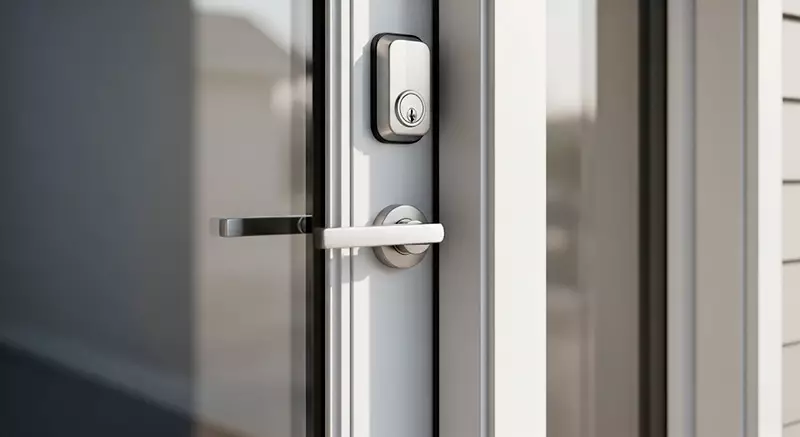
- Single Cylinder Deadbolts: Must be operable from the inside without a key to allow for emergency exit.
- Minimum Throw Length: The bolt (throw) should extend at least 1 inch into the door frame for adequate security.
- Strike Plate Reinforcement: Codes often require strike plates to be secured with screws at least 3 inches long to resist forced entry.
- Height Placement: Deadbolts are typically required to be installed between 34 and 48 inches above the finished floor.
- Fire Safety: In multi-unit buildings, deadbolts must not prevent egress in case of fire or emergency. Double cylinder deadbolts (keyed on both sides) are often prohibited on exit doors.
Always consult your local building department or a licensed locksmith to confirm the exact requirements in your area.
How to Check If Your Deadbolt Meets Current Regulations
To ensure your locks are up to standard, follow these steps:
- Inspect the Lock: Look for ANSI/BHMA certification and confirm the grade level.
- Measure the Bolt Throw: With the door open, turn the deadbolt and measure how far the bolt extends. It should be at least 1 inch.
- Check the Strike Plate: Remove one screw from the strike plate and measure its length. Replace short screws with 3-inch ones if needed.
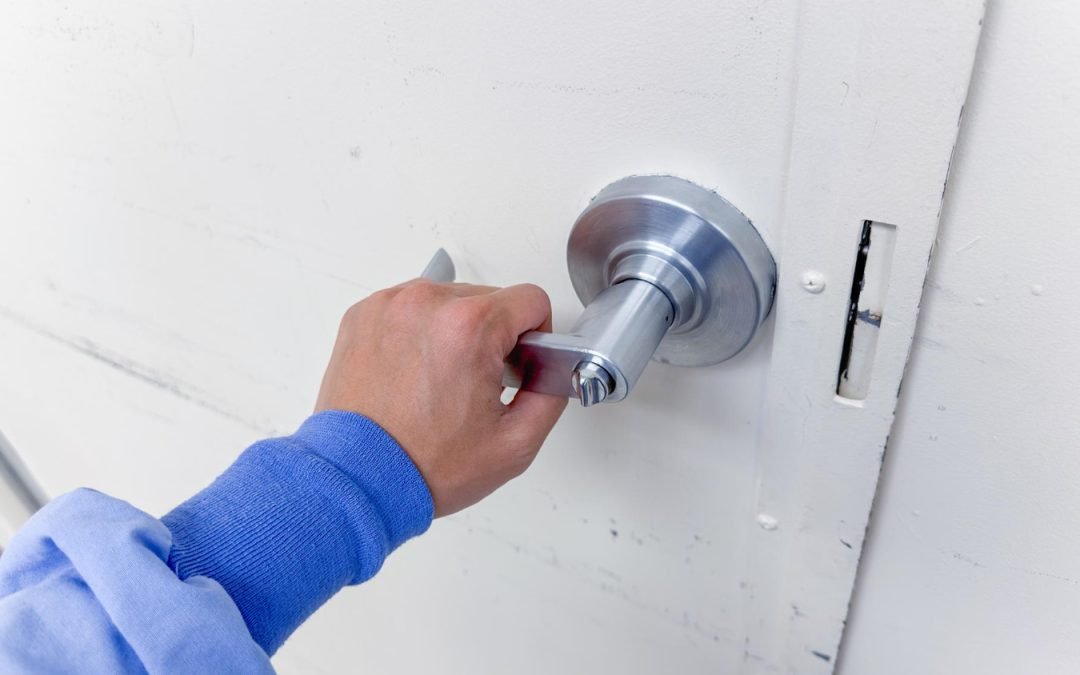
- Test for Egress: Make sure the lock can be opened from the inside without a key or special tool.
- Review Local Codes: Contact your local building authority or check their website for any additional requirements.
If you discover that your deadbolt does not comply, consider upgrading to a model that meets or exceeds current standards. For guidance on choosing reliable hardware, see our resource on the best deadbolt brands explained.
Special Considerations: Smart Locks and Electronic Deadbolts
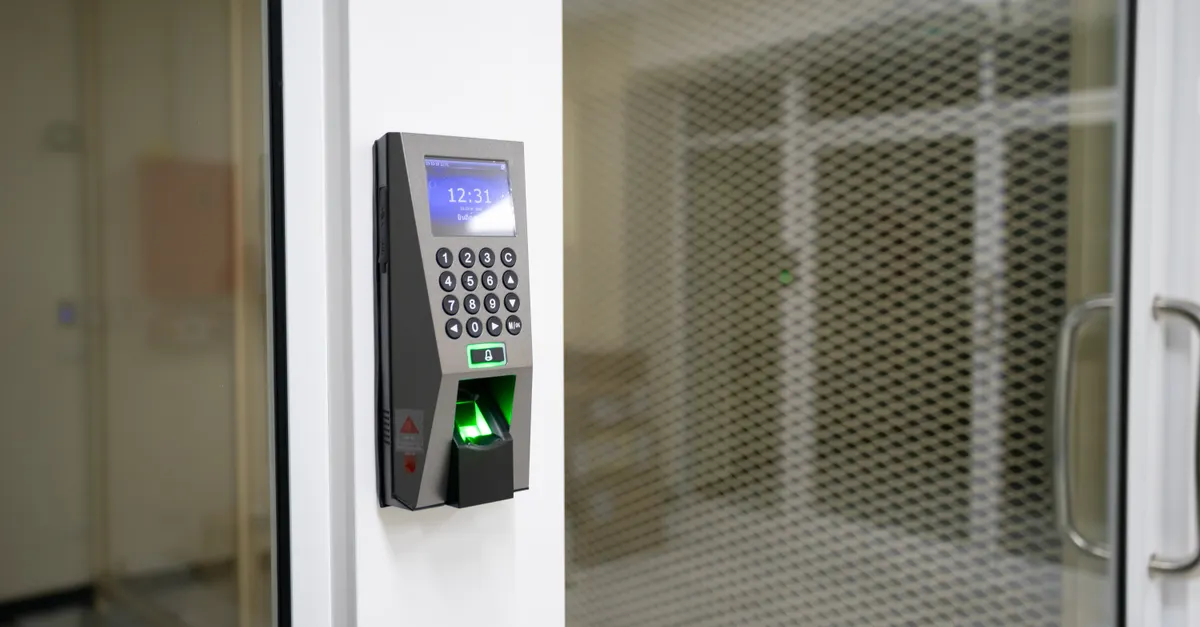
With the rise of smart home technology, many property owners are installing electronic deadbolts. These devices must also comply with deadbolt lock codes and regulations, including requirements for emergency egress and security.
Some jurisdictions have specific rules about electronic locks, such as requiring a backup key or manual override. Before installing a smart deadbolt, check both the manufacturer’s specifications and your local building codes. For a comparison of top-rated smart locks, see this expert review of the best smart locks.
Common Mistakes That Lead to Non-Compliance
Even well-intentioned property owners can overlook important details. Here are some frequent issues that can cause a lock to fall short of code:
- Using double cylinder deadbolts on exit doors, which can block emergency egress
- Installing locks too high or too low on the door
- Failing to use long screws for strike plates
- Choosing decorative or non-certified hardware that lacks security features
- Neglecting to update locks after renovations or code changes
Regularly reviewing your property’s locks and consulting with a professional can help you avoid these pitfalls. If you encounter issues like malfunctioning locks due to weather, check out our tips for frozen deadbolt lock fixes or rusted deadbolt repair tips.
Upgrading and Maintaining Deadbolts for Long-Term Compliance
Staying compliant isn’t just about the initial installation. Locks can wear out, become damaged, or lose their certification status over time. Here are some best practices for ongoing compliance:
- Schedule regular inspections of all exterior doors and locks
- Replace worn or outdated hardware with certified, code-compliant models
- Keep records of installation dates, product certifications, and maintenance
- Address environmental factors, such as humidity or extreme weather, which can affect lock performance. For more on this, see our guide on how humidity affects door locks.
By proactively maintaining your deadbolts, you reduce the risk of non-compliance and improve overall security.
FAQ: Deadbolt Lock Codes and Security Standards
Are double cylinder deadbolts allowed on residential doors?
In most areas, double cylinder deadbolts (keyed on both sides) are not allowed on exit doors because they can impede emergency escape. Single cylinder deadbolts, which can be opened from the inside without a key, are generally required for safety.
How can I tell if my deadbolt meets ANSI/BHMA standards?
Look for a label or stamp on the packaging or the lock itself indicating the ANSI/BHMA grade. Grade 1 offers the highest security, while Grade 2 and 3 are suitable for lighter-duty applications. Always choose certified hardware for compliance and peace of mind.
Do smart locks have to meet the same codes as traditional deadbolts?
Yes, electronic and smart locks must comply with the same basic requirements as mechanical deadbolts, including emergency egress and minimum security standards. Some areas may also require a manual override or backup key for electronic locks.
What should I do if my deadbolt is hard to turn or sticks?
Difficulty operating a lock can be a sign of wear, misalignment, or environmental damage. Address these issues promptly to maintain compliance and security. For troubleshooting, see our resources on rusted deadbolt repair tips and frozen deadbolt lock fixes.
Staying informed about deadbolt lock codes and regulations is a key part of protecting your property and ensuring legal compliance. Regularly review your hardware, consult with professionals when needed, and always choose certified products to keep your security up to standard.