Securing a business property requires more than just a basic lock. For commercial spaces, choosing the right deadbolt is essential to protect assets, ensure employee safety, and deter unauthorized access. This commercial deadbolt lock guide explores the most reliable heavy-duty options, what to look for in a high-security lock, and how to make informed decisions for your facility.
Understanding the differences between residential and commercial deadbolts is crucial. Commercial-grade locks are built to withstand higher usage, offer advanced security features, and comply with building codes. Whether you manage an office, retail store, or warehouse, investing in a robust locking system can make all the difference in your overall security strategy.
For those interested in comparing top-rated brands, the best deadbolt brands explained article provides a deeper look at trusted manufacturers and their unique features.
What Sets Commercial Deadbolts Apart?
Not all deadbolts are created equal. Commercial locks are engineered for durability, resistance to tampering, and compliance with industry standards. Here’s what distinguishes them from standard residential models:
- Grade Ratings: Commercial deadbolts typically meet ANSI/BHMA Grade 1 or 2 standards, indicating superior strength and longevity.
- Material Quality: These locks use hardened steel, reinforced bolts, and heavy-duty internal components to withstand force and wear.
- Advanced Security Features: Options like anti-drill plates, pick-resistant cylinders, and reinforced strike plates are common in business-grade deadbolts.
- High Traffic Endurance: Designed for frequent use, they maintain performance even after thousands of cycles.
Choosing a lock with these characteristics ensures your property is protected against common threats like forced entry, lock picking, and vandalism.
Types of Heavy-Duty Deadbolts for Businesses
There are several types of deadbolts suitable for commercial use, each offering different levels of security and convenience. Understanding these options helps you select the best fit for your needs.
Single Cylinder Deadbolts
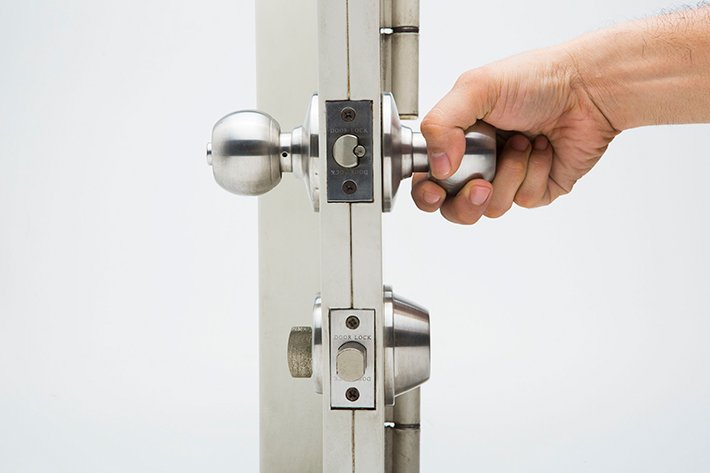
Single cylinder models are the most common, featuring a key cylinder on the outside and a thumb turn on the inside. They are ideal for doors where interior access is always available, such as office entryways or interior doors.
Double Cylinder Deadbolts
Double cylinder deadbolts require a key on both sides, providing extra security for doors with glass panels or those accessible from both sides. This design prevents intruders from unlocking the door by breaking a window and reaching inside.
Keyless and Smart Deadbolts
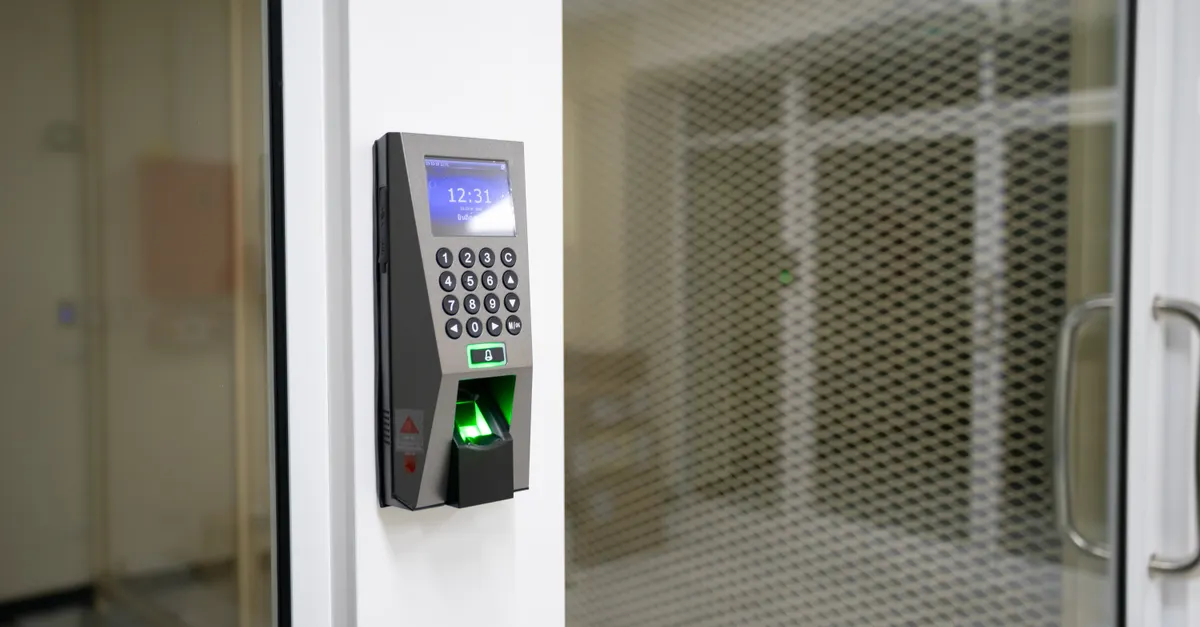
Modern businesses often opt for keyless entry systems, including keypad, card access, or smart locks. These solutions offer flexibility, audit trails, and integration with access control systems. For a detailed comparison of deadbolt types and their applications, see this overview of deadbolt lock types.

Key Features to Look for in a Commercial Deadbolt Lock
When evaluating heavy-duty deadbolts, focus on the following features to maximize security and value:
- ANSI/BHMA Grade: Grade 1 is the highest rating, suitable for exterior doors and high-risk areas.
- Drill and Pick Resistance: Look for locks with anti-drill plates and complex keyways to deter tampering.
- Reinforced Strike Plate: A strong strike plate, installed with long screws, helps resist kick-ins and forced entry.
- Weather Resistance: For exterior doors, choose locks with corrosion-resistant finishes and seals to withstand the elements. For more on weatherproofing, explore deadbolt lock for extreme weather solutions.
- Ease of Rekeying: Businesses often need to change access quickly; select locks that support easy rekeying or master key systems.
- Compatibility with Access Control: If you plan to integrate with electronic systems, ensure the deadbolt is compatible with your existing infrastructure.
Installation and Maintenance Tips
Proper installation and regular maintenance are essential for optimal deadbolt performance. Here are some practical tips:
- Always use the manufacturer’s recommended hardware and follow installation instructions closely.
- Ensure the door frame is solid and the strike plate is anchored with long screws into the wall stud.
- Periodically check for loose screws, worn components, or signs of rust. For maintenance advice, see rusted deadbolt repair tips.
- Lubricate the lock cylinder and bolt mechanism with graphite or a lock-specific lubricant every 6–12 months.
- Test the lock regularly to ensure smooth operation and address any sticking or resistance immediately.
Common Challenges with Business-Grade Deadbolts
While heavy-duty deadbolts offer robust protection, businesses may encounter certain challenges:
- Weather Impact: Extreme temperatures and humidity can affect lock performance. Learn how to prevent moisture-related issues by reading about how humidity affects door locks.
- Key Management: Managing multiple keys or access codes can be complex. Consider a master key system or digital access control for efficiency.
- Frozen Locks: In colder climates, deadbolts may freeze. For quick solutions, consult frozen deadbolt lock fixes.
- Wear and Tear: High-traffic doors require regular inspection and timely replacement of worn parts to maintain security.
Choosing the Right Heavy-Duty Lock for Your Business
Every commercial property has unique security needs. Consider the following when selecting a deadbolt:
- Location: Exterior doors require the highest grade and weather-resistant features, while interior doors may need less robust options.
- Traffic Volume: High-use doors benefit from locks rated for frequent cycles and easy maintenance.
- Compliance: Ensure the lock meets local building codes and fire safety regulations.
- Integration: If you use electronic access control, verify compatibility with your chosen deadbolt.
Consulting with a professional locksmith can help you assess your property and recommend the most suitable locking solutions.
Frequently Asked Questions
What is the difference between Grade 1 and Grade 2 commercial deadbolts?
Grade 1 deadbolts are the highest standard, designed for maximum security and durability. They are tested for over 250,000 cycles and can withstand significant force. Grade 2 locks are also suitable for commercial use but are typically used for interior doors or areas with lower security needs.
How often should commercial deadbolt locks be serviced?
It’s recommended to inspect and service business-grade deadbolts at least once a year. High-traffic doors may require more frequent checks to ensure all components are functioning correctly and to address any signs of wear or damage promptly.
Can commercial deadbolts be rekeyed if a key is lost?
Yes, most heavy-duty deadbolts can be rekeyed by a professional locksmith. This process changes the internal pins so old keys no longer work, providing security without replacing the entire lock.
Are smart deadbolts as secure as traditional mechanical locks?
Modern smart deadbolts designed for commercial use offer robust security features, including encryption and tamper alerts. However, it’s important to choose reputable brands and keep firmware updated to minimize potential vulnerabilities.
Choosing the right deadbolt is a critical step in protecting your business. By focusing on quality, proper installation, and regular maintenance, you can ensure your property remains secure against evolving threats.