Over time, exposure to moisture, dust, and fluctuating temperatures can cause deadbolt locks to rust and seize up. A stubborn or jammed lock isn’t just inconvenient—it can also compromise your home’s security. Fortunately, with the right approach and a few essential tools, you can often restore a corroded deadbolt to smooth working order without replacing the entire mechanism. This guide shares practical rusted deadbolt repair tips to help you bring your lock back to life, improve its longevity, and maintain your peace of mind.
Before diving into repairs, it’s helpful to understand how environmental factors can accelerate rust and wear. For more on this, see how weather affects deadbolt locks, which covers the impact of climate on lock performance and durability.
Identifying the Signs of a Rusted Deadbolt
Recognizing the early symptoms of rust and corrosion is key to preventing a complete lock failure. Common warning signs include:
- Difficulty turning the key or knob
- Visible orange or brown discoloration on the lock face or bolt
- Grinding, squeaking, or sticking when operating the lock
- The key getting stuck or not fully inserting
If you notice any of these issues, it’s time to address the problem before the lock becomes unusable.
Essential Tools and Supplies for Deadbolt Restoration
Gathering the right materials before starting your repair will make the process smoother and more effective. For most rusted deadbolt repair tips, you’ll need:
- Graphite or silicone-based lubricant (avoid oil-based sprays like WD-40 for long-term use)
- Fine steel wool or a wire brush
- Penetrating oil (such as PB Blaster or Liquid Wrench)
- Clean rags or paper towels
- Phillips or flathead screwdriver (depending on your lock type)
- Protective gloves
Optional but helpful items include a can of compressed air for clearing debris and a small brush for detailed cleaning.

Step-by-Step: Cleaning and Lubricating a Corroded Deadbolt
Follow these steps to restore your lock’s function and prevent further rust buildup:
- Remove the Deadbolt (If Possible): Use a screwdriver to detach the lock from the door. This allows for a more thorough cleaning, but if you can’t remove it, you can still treat the exposed parts.
- Clean Off Surface Rust: Gently scrub the affected areas with fine steel wool or a wire brush. Wipe away loosened rust particles with a clean rag.
- Apply Penetrating Oil: Spray a small amount of penetrating oil into the keyway and onto any moving parts. Let it sit for several minutes to break down stubborn corrosion.
- Operate the Lock: Insert and turn the key several times to distribute the oil and free up the mechanism. If the key is stuck, gently wiggle it—never force it, as this can break the key or damage the lock.
- Lubricate with Graphite or Silicone: Once the lock moves freely, apply a dry lubricant to the keyway and bolt. This helps repel moisture and prevents future rust.
- Reinstall and Test: If you removed the lock, reattach it to the door. Test the key and thumb turn to ensure everything operates smoothly.
Repeat the cleaning and lubrication process every few months, especially if your door is exposed to the elements.
When to Replace Instead of Repair
While many locks can be salvaged with these rusted deadbolt repair tips, some situations call for a full replacement. Consider installing a new deadbolt if:
- The internal mechanism is severely corroded or jammed beyond repair
- The key breaks off inside and cannot be extracted
- There is significant structural damage to the bolt or housing
- Security has been compromised due to excessive wear
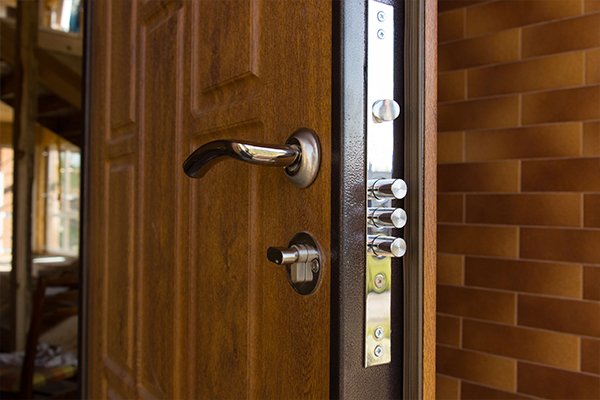
For a comprehensive overview of available lock types and their features, check out this 101 guide to different types of deadbolts.
Preventive Maintenance for Long-Lasting Deadbolts
Prevention is always easier than repair. To keep your locks in top condition, adopt these habits:
- Regularly clean and lubricate the lock, especially after storms or high humidity
- Inspect for signs of rust or wear every few months
- Install a door awning or weather stripping to shield the lock from rain
- Use only recommended lubricants—avoid oils that attract dirt and dust
- Replace keys that are bent or worn, as they can damage the lock’s internal pins
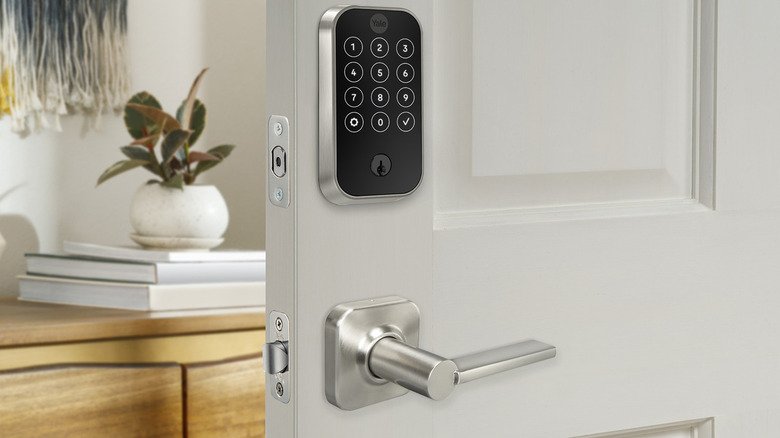
For those with electronic or keypad locks, specific troubleshooting steps may be needed. See keypad deadbolt troubleshooting for tailored solutions to digital lock issues.
Common Mistakes to Avoid During Deadbolt Repairs
Even with the best intentions, some errors can make a rusty lock worse or even irreparably damage it. Avoid these pitfalls:
- Forcing a stuck key or knob, which can break internal parts
- Using excessive lubricant, leading to sticky residue buildup
- Neglecting to clean out debris before applying lubricant
- Ignoring signs of deeper mechanical failure
- Attempting repairs without the right tools or knowledge
If you’re unsure about tackling a repair, consult a professional locksmith to prevent costly mistakes.
FAQ: Rusty Deadbolt Solutions
How do I know if my deadbolt is too far gone to repair?
If the lock remains stiff or inoperable after thorough cleaning and lubrication, or if you see extensive corrosion inside the mechanism, replacement is usually the safest option. Severe rust can compromise the lock’s strength and security.
What’s the best lubricant for deadbolt locks?
Use a dry graphite or silicone-based lubricant. These products don’t attract dust or dirt, unlike oil-based sprays. Apply sparingly and wipe away any excess to keep the lock clean and smooth.
Can I prevent rust if my door is exposed to rain?
Yes. Regular maintenance, such as cleaning and lubricating the lock, installing weather stripping, and using a protective cover or awning, can help minimize moisture exposure and prevent rust from forming.
Conclusion
Addressing rust and corrosion early can save you time, money, and frustration. By following these rusted deadbolt repair tips, you can restore your lock’s smooth operation and extend its lifespan. Remember to maintain your locks regularly and stay vigilant for signs of wear. If you encounter persistent problems or have a modern lock system, explore resources on common smart lock issues or learn how to reset a smart deadbolt for additional troubleshooting advice. With the right care, your deadbolt can continue to protect your home for years to come.