Securing an office is a top priority for any business, whether you manage a small workspace or a large corporate facility. The right locking system can make a significant difference in protecting valuable assets, confidential information, and the safety of your staff. Among the many options available, a deadbolt lock for office security stands out as one of the most reliable and cost-effective solutions.
This guide explores the essentials of choosing and using deadbolt locks in a professional environment. From understanding different types and features to installation tips and maintenance, you’ll find practical advice for enhancing your workplace protection. For those interested in compliance and safety, you can also learn more about deadbolt lock codes and regulations to ensure your security measures meet industry standards.
Why Deadbolt Locks Are Essential for Workplace Protection
Deadbolt locks are a staple in office security systems due to their robust design and resistance to forced entry. Unlike spring bolt locks, deadbolts require a key or thumb turn to open, making them much harder to bypass. This added layer of defense is especially important for offices that store sensitive documents, expensive equipment, or handle confidential transactions.
Some of the main reasons businesses choose deadbolts include:
- Enhanced resistance to break-ins compared to standard locks
- Simple operation for authorized personnel
- Compatibility with a wide range of doors and access control systems
- Cost-effectiveness for both small offices and large facilities
Types of Deadbolt Locks for Office Security
Choosing the right deadbolt involves understanding the different types available and their specific advantages. Here are the most common options for commercial settings:
Single Cylinder Deadbolts
These are the most commonly used deadbolts in offices. They feature a key cylinder on the outside and a thumb turn on the inside. Single cylinder deadbolts are ideal for doors that do not have glass panels nearby, as they can be unlocked from the inside without a key.
Double Cylinder Deadbolts
With key cylinders on both sides, double cylinder deadbolts require a key to lock or unlock from either side. This design is suitable for doors with glass panels or those accessible from windows, as it prevents intruders from reaching in and turning the thumb latch. However, they may pose a safety risk in emergencies, so always consider fire codes and regulations.
Electronic and Smart Deadbolts
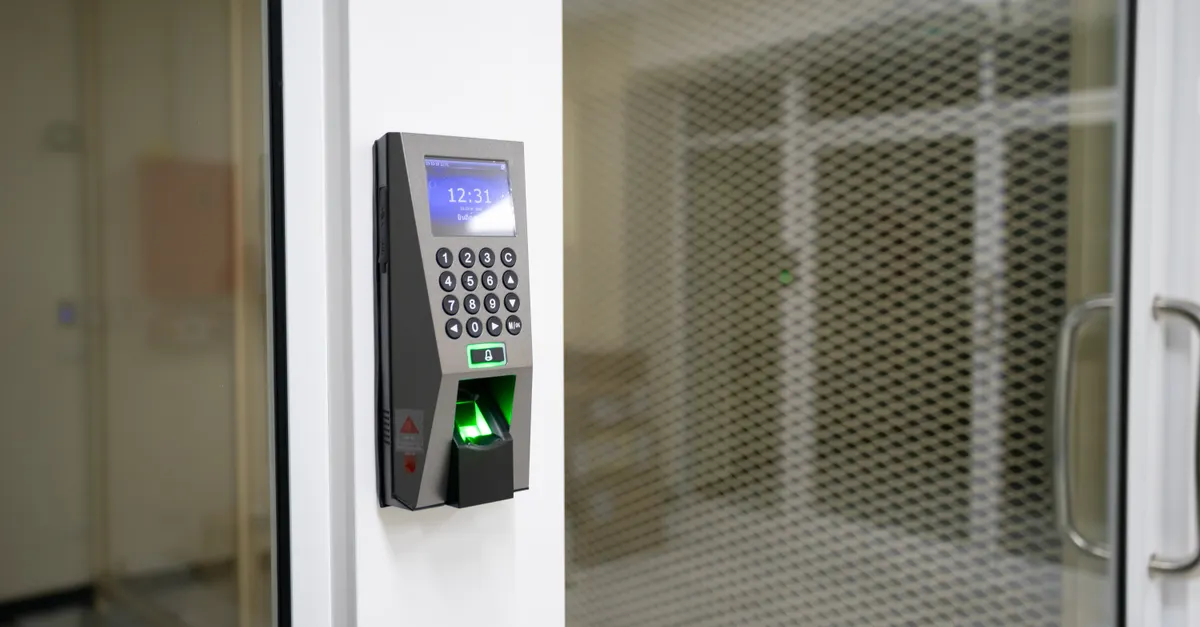
Modern offices often opt for electronic deadbolts, which use keypads, RFID cards, or smartphone integration for access. These locks offer advanced features such as audit trails, temporary codes for visitors, and remote management. For a comparison of the latest models, check out this guide to the best electronic deadbolts for commercial use.
Key Features to Look for in a Commercial Deadbolt
When selecting a deadbolt for your office, prioritize these features to maximize security and convenience:
- Grade 1 or Grade 2 certification for commercial strength and durability
- Drill-resistant and pick-resistant cylinders
- Heavy-duty strike plates and reinforced screws
- Weather resistance for exterior doors
- Integration with access control or alarm systems
- Ease of rekeying or code changes for staff turnover
It’s also wise to consider the impact of environmental factors. For example, offices in humid climates should be aware of how humidity affects door locks and take preventive measures to avoid damage.
Installation Tips for Optimal Security
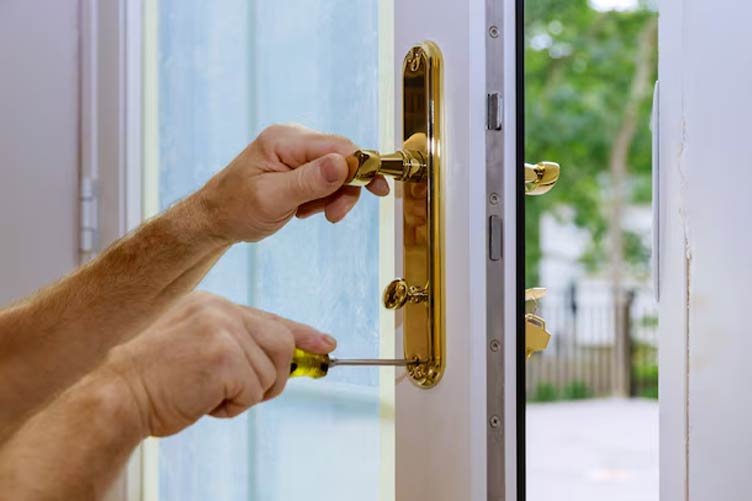
Proper installation is crucial for the effectiveness of any deadbolt lock. Even the highest-quality product can be compromised if not installed correctly. Here are some tips to ensure your office deadbolt performs as intended:
- Use a professional locksmith for installation, especially for high-traffic or exterior doors
- Ensure the bolt fully extends into the door frame for maximum strength
- Reinforce the strike plate with long screws that anchor into the wall stud
- Test the lock regularly to confirm smooth operation and alignment
For offices in regions with harsh winters, it’s helpful to know about frozen deadbolt lock fixes to prevent lockouts during cold weather.
Maintaining Your Office Deadbolt Lock
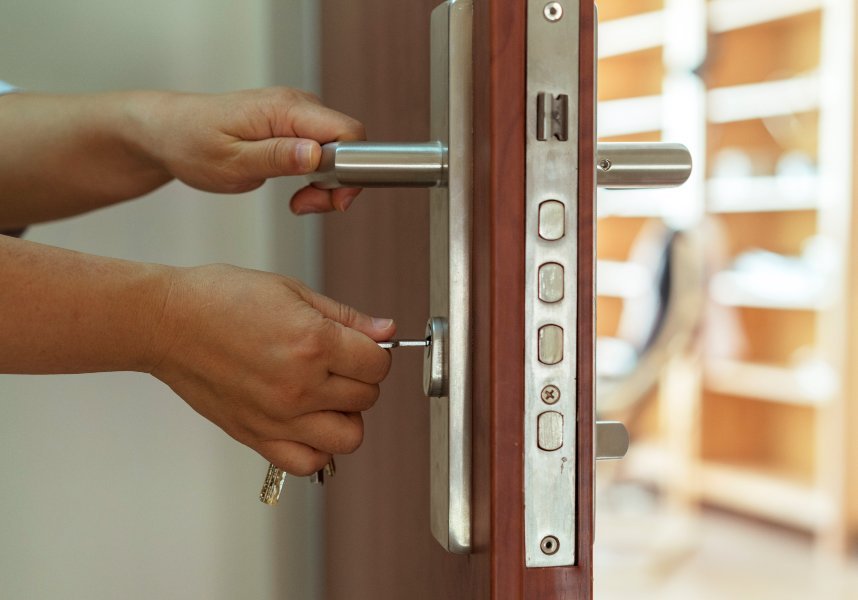
Regular maintenance extends the lifespan of your deadbolt and ensures reliable security. Here are some practical steps to keep your lock in top condition:
- Clean the keyway and moving parts with a dry lubricant every six months
- Inspect for signs of rust or corrosion, especially on exterior doors
- Check for loose screws or misalignment and address issues promptly
- Replace or rekey locks when employees leave or keys are lost
If you notice any stiffness or difficulty turning the key, consult a locksmith or refer to rusted deadbolt repair tips to restore smooth function.
Choosing the Right Deadbolt for Your Office Environment
Every office has unique security needs. Assess your workspace by considering factors such as:
- Location and crime rates in your area
- Type of assets and information stored on the premises
- Number of employees and access requirements
- Existing security systems and integration needs
- Weather conditions and exposure to the elements
For offices exposed to severe weather, review options for deadbolt lock for extreme weather to ensure continued protection year-round.
Frequently Asked Questions
What makes a deadbolt better than a standard door lock for office security?
Deadbolts provide a higher level of resistance to forced entry because they cannot be easily retracted without a key or thumb turn. This makes them more secure than spring latch locks, which can sometimes be bypassed with simple tools.
How often should office deadbolt locks be serviced or replaced?
It’s recommended to inspect and lubricate deadbolt locks every six months. Replace or rekey locks whenever there is staff turnover, lost keys, or visible signs of wear, rust, or malfunction.
Are electronic deadbolts safe for commercial use?
Yes, electronic deadbolts designed for commercial settings offer strong security and added convenience. Look for models with audit trails, tamper alerts, and integration with access control systems for the best results.
Can deadbolt locks be used on glass office doors?
Yes, but double cylinder deadbolts are typically recommended for glass doors or doors with windows nearby. However, always check local fire and safety codes before installation to ensure compliance.
Conclusion
Investing in a quality deadbolt lock for office security is a smart move for any business. By understanding the different types, key features, and maintenance requirements, you can select and maintain a system that keeps your workplace safe and secure. Remember to stay updated on regulations and adapt your security measures as your office environment evolves.