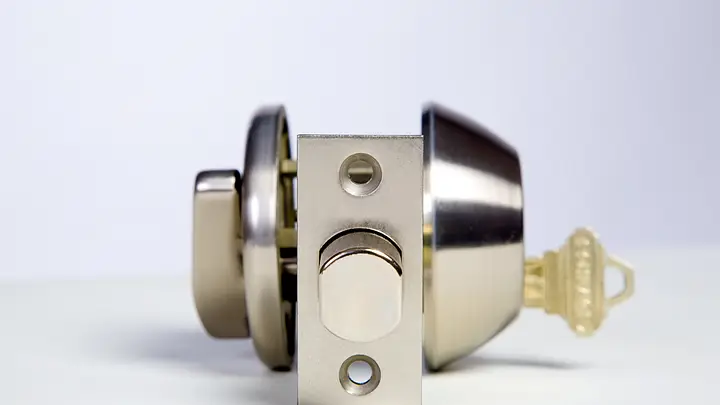
A well-functioning deadbolt is essential for home security, but even the best lock can become difficult to use if the latch isn’t properly aligned. Over time, doors can shift due to humidity, settling, or regular use, causing the deadbolt to stick or fail to engage smoothly. Learning how to adjust a deadbolt latch ensures your lock operates reliably and provides the protection you expect.
This guide covers practical steps to diagnose and fix common deadbolt latch issues. Whether you’re dealing with a new installation or an older door that’s started to misalign, you’ll find straightforward solutions here. If you’re interested in maximizing security for shared living spaces, you may also want to explore the best deadbolt for shared houses for additional insights.
Why Deadbolt Latch Adjustment Matters
A misaligned deadbolt latch can compromise both convenience and security. If the bolt doesn’t slide smoothly into the strike plate, you may have to force the key or handle, which can wear out the lock or even leave you locked out. In some cases, a poorly fitting latch can prevent the deadbolt from fully engaging, reducing your door’s resistance to forced entry.
Addressing these issues promptly helps maintain the integrity of your lock and ensures peace of mind. For those interested in the relationship between door alignment and lock performance, the article on door alignment and deadbolt performance offers a deeper dive into this topic.
Signs Your Deadbolt Latch Needs Adjustment
Before making any changes, it’s important to recognize the signs that your deadbolt latch isn’t fitting correctly. Common symptoms include:
- The key or thumbturn is hard to turn or gets stuck.
- The bolt doesn’t fully extend into the strike plate.
- You have to lift, push, or pull the door to lock or unlock it.
- Visible wear or scraping on the bolt or strike plate.
If you notice any of these issues, it’s time to check the alignment and make the necessary adjustments.
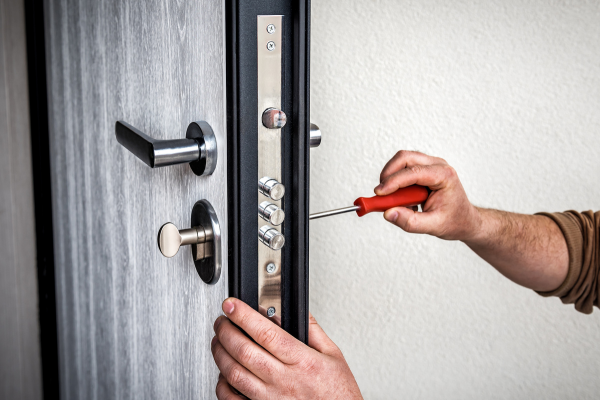
Tools and Materials You’ll Need
Gathering the right tools before you start will make the process smoother. Here’s what you’ll typically need:
- Phillips and flathead screwdrivers
- Measuring tape or ruler
- Pencil or marker
- Wood chisel (if enlarging the strike plate opening)
- Hammer
- Drill with bits (for new screw holes, if needed)
- Replacement screws (longer ones for added security)
Having these items on hand will help you tackle most deadbolt latch adjustments efficiently.
Step-by-Step Guide to Adjusting a Deadbolt Latch
Follow these steps to ensure your deadbolt operates smoothly and securely:
1. Inspect the Deadbolt and Door Alignment
Close the door and try to lock and unlock the deadbolt. Observe where the bolt meets the strike plate. If you see the bolt hitting above, below, or to the side of the opening, you’ve identified a misalignment.
2. Check the Strike Plate Position
Open the door and examine the strike plate on the door frame. Look for signs of wear or scraping, which indicate where the bolt is making contact. Mark the correct position where the bolt should enter.
3. Adjust the Strike Plate
If the misalignment is minor (less than 1/8 inch), you may be able to loosen the screws on the strike plate and shift it slightly. Retighten the screws and test the deadbolt. For larger adjustments, you may need to remove the strike plate and reposition it. Drill new pilot holes if necessary, and use longer screws to secure the plate firmly into the door frame.
4. Enlarge the Strike Plate Opening
If shifting the strike plate isn’t enough, use a wood chisel to carefully enlarge the opening so the bolt can enter smoothly. Take care not to remove too much material, as this can weaken the frame.
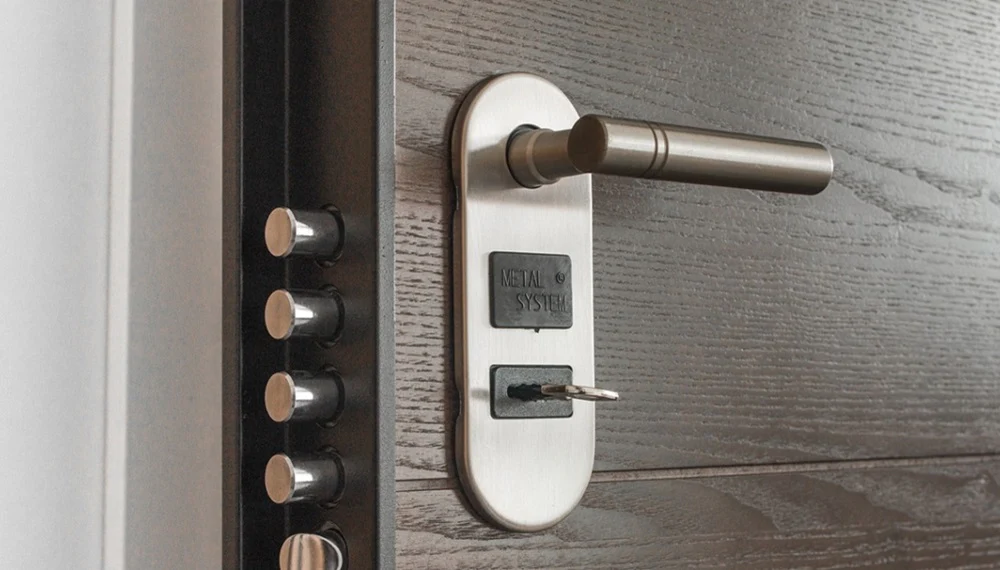
5. Check the Deadbolt Mechanism
Sometimes, the issue lies within the lock itself. Remove the deadbolt from the door and inspect the latch mechanism for damage or debris. Clean or lubricate as needed, then reinstall and test.
6. Test and Fine-Tune
After making adjustments, close the door and operate the deadbolt several times. The bolt should slide smoothly into the strike plate without resistance. If problems persist, repeat the inspection and adjustment process.
Tips for a Secure and Smooth Deadbolt Latch
- Use longer screws (at least 3 inches) to secure the strike plate for added strength against forced entry.
- Lubricate the bolt and keyway with graphite or a lock-specific lubricant to keep the mechanism operating smoothly.
- Check the door’s hinges for loose screws or sagging, as this can affect alignment.
- Consider upgrading to a reinforced strike plate for enhanced security.
For those considering whether to handle lock adjustments themselves or hire a professional, the article on DIY vs professional deadbolt installation provides helpful guidance.
Understanding Different Deadbolt Types and Latch Mechanisms
Not all deadbolts are created equal. Some feature adjustable latches that can accommodate different backset measurements (the distance from the edge of the door to the center of the lock), while others are fixed. Mortise deadbolts, for example, require precise alignment due to their integrated design.
If you’re unsure about the type of deadbolt you have or want to learn more about the various options available, check out this comprehensive guide to deadbolt types for detailed descriptions and recommendations.
When to Call a Locksmith
While many latch adjustments are simple DIY projects, there are times when professional help is the best choice. If you encounter a broken lock, stripped screw holes, or persistent alignment problems, a licensed locksmith can diagnose and resolve the issue quickly. For tips on choosing a reputable pro, see the advice on how to choose a trustworthy locksmith.
Frequently Asked Questions
What causes a deadbolt latch to become misaligned?
Common causes include changes in temperature or humidity, which can cause the door or frame to swell or shrink. Regular use, settling of the house, or loose hinges can also shift the alignment over time.
Can I adjust a deadbolt latch without removing the lock?
In many cases, yes. Minor misalignments can often be fixed by adjusting the strike plate or tightening hinge screws. However, if the problem persists, you may need to remove the lock to inspect the internal mechanism.
How often should I check my deadbolt alignment?
It’s a good idea to check your deadbolt’s operation every few months, especially after seasonal changes or if you notice any difficulty locking or unlocking the door.
Conclusion
Ensuring your deadbolt latch is properly adjusted is a straightforward way to maintain both security and convenience. By following the steps outlined here, you can resolve most alignment issues and keep your lock functioning smoothly. Regular maintenance and prompt attention to any problems will help your deadbolt provide reliable protection for years to come. For additional tips on maintaining secure and accessible locks, especially for older adults, see the article on deadbolt security for seniors.