As people age, home safety becomes a top priority. Reliable door locks are essential for preventing unwanted entry, but they must also be easy to use for those with limited mobility or dexterity. Deadbolt security for seniors offers a balance between robust protection and accessible operation, helping older adults maintain independence and peace of mind. This article explores the best solutions, features to look for, and practical tips for making entryways safer and more convenient.
Choosing the right deadbolt can be challenging, especially with so many options available. For seniors, the ideal lock should provide strong resistance against break-ins while remaining simple to operate. Factors like arthritis, vision changes, and memory issues can make traditional locks difficult to use. Fortunately, modern deadbolt systems now include features tailored to these needs, such as keyless entry, illuminated keypads, and smart home integration.
Before diving into specific product recommendations, it’s important to understand the basics of deadbolt installation and maintenance. If you’re unsure whether to tackle this as a DIY project or hire a professional, our guide on DIY vs professional deadbolt installation can help you weigh the pros and cons for your situation.
Why Deadbolt Locks Matter for Senior Safety
Standard door locks often provide insufficient protection against forced entry. Deadbolts, by contrast, extend a solid metal bolt deep into the door frame, making it much harder for intruders to break in. For seniors, this added layer of security is crucial, especially for those living alone or in neighborhoods with higher crime rates.
However, not all deadbolts are created equal. Some require significant hand strength or precise key alignment, which can be a challenge for older adults. That’s why it’s important to select locks that combine deadbolt security for seniors with user-friendly features.
Key Features to Look for in Senior-Friendly Deadbolts
When shopping for a deadbolt, consider the following features to ensure both safety and ease of use:
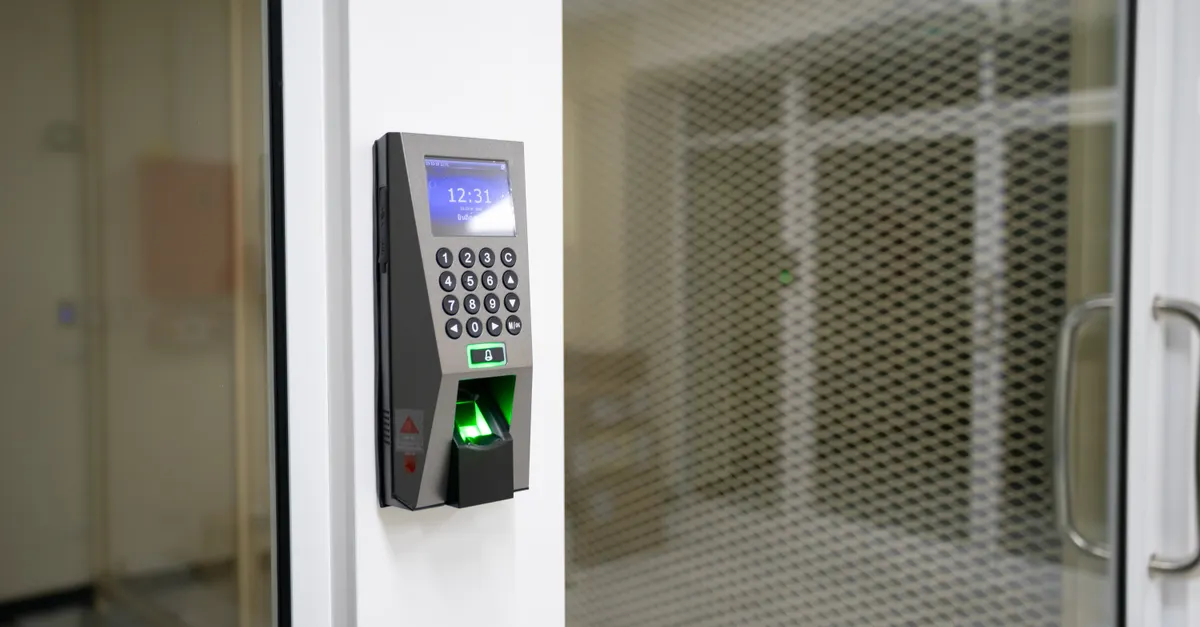
- Keyless Entry: Electronic deadbolts with keypads or fingerprint scanners eliminate the need for physical keys, reducing the risk of lockouts and making entry faster.
- Large, Illuminated Keypads: Easy-to-read buttons and backlighting help those with vision impairments enter codes accurately, even at night.
- Lever Handles: Some deadbolts come with lever-style handles instead of knobs, which are easier to operate for those with arthritis or limited grip strength.
- Auto-Lock Function: Automatically locking after a set period prevents doors from being accidentally left unlocked.
- Remote Access: Smart deadbolts can be controlled via smartphone apps, allowing caregivers or family members to grant access or check lock status remotely.
- Audible and Visual Alerts: Some models provide feedback when locked or unlocked, helping users confirm the door’s status.

Types of Deadbolts Suitable for Older Adults
There are several types of deadbolts that cater to the unique needs of seniors. Understanding the differences can help you make an informed choice.
Single Cylinder Deadbolts
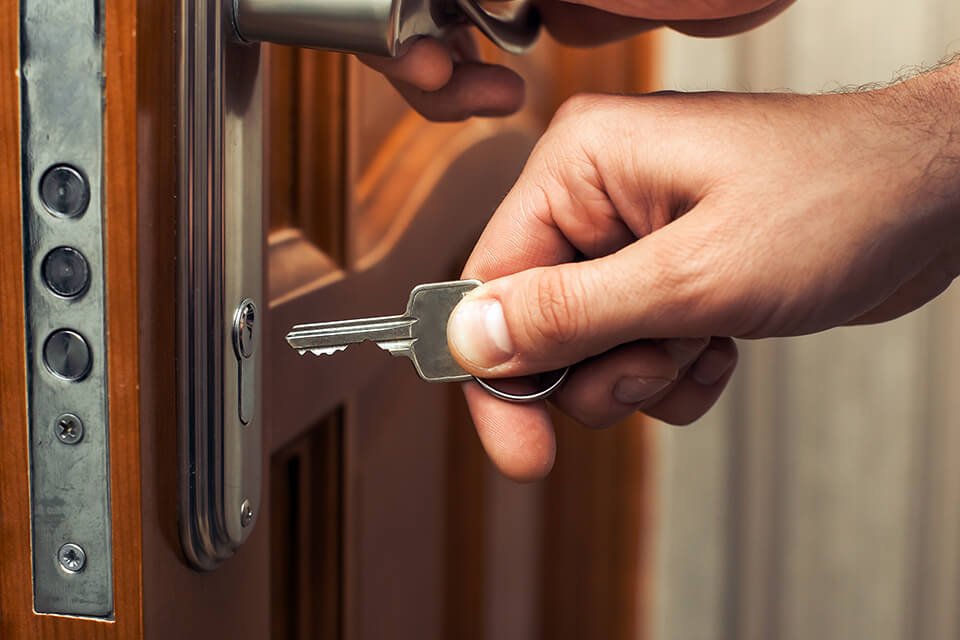
These are the most common type, requiring a key on the outside and a thumb turn on the inside. For seniors, models with large, easy-to-grip thumb turns are preferable.
Electronic and Smart Deadbolts
Keyless models are increasingly popular for deadbolt security for seniors. They allow entry via PIN codes, RFID cards, or even biometrics. Many can integrate with smart home systems, providing additional convenience and remote monitoring capabilities. For a roundup of top-rated options, check out this guide to the best electronic deadbolts from Popular Mechanics.
Double Cylinder Deadbolts
These require a key on both sides. While they offer extra security, they may not be suitable for seniors due to the need for a key to exit, which can pose a safety risk in emergencies.
Smartphone-Enabled Locks
Some deadbolts connect to smartphones via Bluetooth or Wi-Fi, allowing doors to be locked or unlocked remotely. This is especially useful for caregivers or family members assisting seniors.
Installation and Maintenance Tips
Proper installation is essential for any deadbolt to function effectively. If the lock is not aligned correctly with the strike plate, it may be difficult to operate or provide insufficient security. For detailed instructions, see our article on door alignment and deadbolt performance.
Here are some practical tips:
- Choose a deadbolt that fits your door’s thickness and backset. If unsure, refer to our resource on how to measure for a deadbolt to avoid sizing mistakes.
- Consider hiring a professional locksmith for installation, especially if modifications to the door or frame are needed.
- Test the lock regularly to ensure smooth operation. Lubricate moving parts as recommended by the manufacturer.
- Replace batteries promptly in electronic models to prevent lockouts.

Balancing Security and Accessibility
For older adults, the best deadbolt is one that doesn’t compromise on safety or ease of use. While high-security locks are important, they should not create barriers to daily living. Consider the following strategies to strike the right balance:
- Install locks at a comfortable height, especially for those using wheelchairs or walkers.
- Opt for models with large, ergonomic handles or levers.
- Use color-contrasted keypads or indicators for those with vision challenges.
- Set up backup entry methods, such as trusted family members with access codes or spare keys.
It’s also wise to review advanced options like high security keyways explained to understand how modern lock technologies can further enhance home protection without sacrificing usability.
Frequently Asked Questions
What type of deadbolt is easiest for seniors to use?
Electronic deadbolts with keypads or smart locks are generally the easiest for seniors, as they eliminate the need for physical keys and often feature large, illuminated buttons. Models with lever handles are also preferable for those with limited hand strength.
Are smart deadbolts safe for older adults?
Yes, smart deadbolts can be very safe when properly installed and maintained. They offer features like remote access, auto-locking, and activity logs. However, it’s important to choose reputable brands and ensure that the lock is regularly updated to protect against digital threats.
How can I make sure my deadbolt is installed correctly?
Follow the manufacturer’s instructions carefully, and make sure the bolt extends fully into the strike plate. If you’re not comfortable with DIY installation, consider hiring a professional locksmith. For more guidance, refer to resources on DIY vs professional deadbolt installation and door alignment and deadbolt performance.
Conclusion
Enhancing deadbolt security for seniors is about more than just picking a strong lock—it’s about ensuring that the lock fits the user’s needs and lifestyle. By focusing on accessibility, ease of use, and the latest technology, seniors can enjoy both safety and independence at home. Take the time to evaluate your options, consult with professionals if needed, and make upgrades that truly support a secure and comfortable living environment.