Installing a new deadbolt is one of the most effective ways to enhance your home’s security. However, even the highest-quality lock won’t perform well if it doesn’t fit your door properly. Knowing how to measure for a deadbolt ensures that your lock operates smoothly, aligns with your door hardware, and provides the protection you expect. This guide explains the essential steps, tools, and tips to help you avoid common sizing errors and achieve a secure, professional fit.
Before you start, it’s important to understand that deadbolts come in several sizes and styles. Measuring accurately not only prevents frustration during installation but also helps you select the right product for your needs. If you’re interested in ensuring your lock is also functioning properly after installation, you may want to review how to test deadbolt security for additional peace of mind.
Why Accurate Deadbolt Measurements Matter
Choosing the right size lock is more than just a matter of convenience. An ill-fitting deadbolt can lead to:
- Difficulty locking or unlocking the door
- Misalignment with the strike plate, reducing security
- Potential damage to your door or frame
- Increased risk of lock jamming or sticking
By following proper measuring techniques, you’ll avoid these issues and ensure your new lock fits perfectly the first time.
Essential Tools for Measuring Deadbolt Dimensions
Before you begin, gather these basic tools:
- Measuring tape (preferably metal for accuracy)
- Pencil and notepad for recording dimensions
- Existing deadbolt (if replacing)
- Optional: Caliper for precise diameter measurements
Having the right tools on hand will make the process straightforward and help you avoid mistakes.
Step-by-Step Guide: How to Measure for a Deadbolt
To ensure a proper fit, you’ll need to take several key measurements. Here’s how to do it:
1. Measure the Bore Hole Diameter
The bore hole is the large hole drilled through your door where the deadbolt body is installed. Standard residential doors typically have a bore hole diameter of either 2-1/8 inches (54mm) or, less commonly, 1-1/2 inches (38mm). To measure:
- Remove the existing deadbolt, if present.
- Place your measuring tape or caliper across the widest part of the hole.
- Record the diameter to the nearest 1/16 inch.
Most modern deadbolts require a 2-1/8 inch hole, but always verify before purchasing a new lock.
2. Determine the Backset
The backset is the distance from the edge of the door to the center of the bore hole. This measurement is crucial for proper alignment. Common backset sizes are 2-3/8 inches (60mm) and 2-3/4 inches (70mm). To measure:
- Place one end of the measuring tape at the door’s edge.
- Extend it to the center of the bore hole.
- Note the measurement in inches or millimeters.
Many deadbolts are adjustable to fit both common backset sizes, but some are fixed, so double-check your door’s measurement.
3. Check Door Thickness
Most residential deadbolts are designed for doors between 1-3/8 inches (35mm) and 1-3/4 inches (45mm) thick. Some models can accommodate thicker doors with special kits. To measure:
- Open the door and place the tape across its edge.
- Measure the full thickness from one side to the other.
- Record the result for reference when shopping for a new lock.
If your door is unusually thick or thin, make sure to select a deadbolt that is compatible with its dimensions.
4. Measure the Cross Bore (Latch Hole)
The cross bore is the small hole on the edge of the door where the latch mechanism is installed. Standard size is usually 1 inch (25mm) in diameter. To measure:
- Place your tape or caliper across the hole on the door’s edge.
- Note the diameter.
This measurement ensures the latch fits snugly and operates smoothly.
Common Sizing Mistakes and How to Avoid Them
Even a small error in measurement can cause installation headaches. Here are some frequent mistakes and how to prevent them:
- Assuming all doors are standard size: Always measure your specific door, as older or custom doors may differ.
- Forgetting to check the backset: Don’t rely on visual estimates—measure precisely to avoid misaligned hardware.
- Ignoring door thickness: Using a deadbolt for the wrong thickness can compromise security and function.
- Overlooking the strike plate alignment: Make sure the strike plate on the frame matches the deadbolt’s throw length and position.
Taking the time to measure each component ensures a smooth installation and optimal performance.

Choosing the Right Deadbolt for Your Door
Once you’ve gathered your measurements, you’re ready to select a compatible lock. Consider the following:
- Type of deadbolt: Single-cylinder, double-cylinder, and smart deadbolts each have unique features. For a breakdown of options, see this guide to different types of deadbolt locks.
- Compatibility: Ensure the lock matches your door’s bore hole, backset, and thickness.
- Security rating: Look for locks that meet or exceed ANSI/BHMA standards for strength and durability.
- Finish and style: Choose a finish that complements your door and hardware.
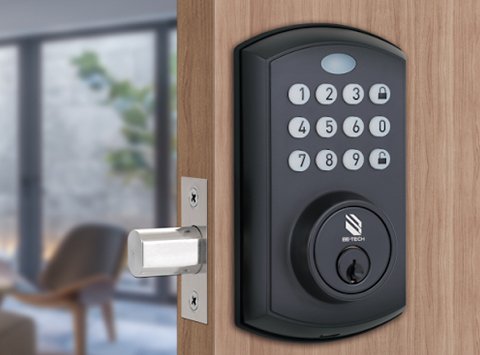
If you’re interested in advanced features, such as keyless entry or integration with smart home systems, make sure your door’s measurements are compatible with electronic or smart deadbolt models. For more on technology in locks, explore how smart deadbolts work.
Installation Tips After Measuring
With accurate measurements and the right lock in hand, installation is much easier. Here are a few tips:
- Follow the manufacturer’s instructions closely.
- Use a level to ensure the lock and strike plate are aligned.
- Test the deadbolt several times before final tightening to confirm smooth operation.
- If you encounter resistance or sticking, review how to repair sticky deadbolts for troubleshooting advice.
Proper installation not only improves security but also extends the life of your lock.
When to Replace or Upgrade Your Deadbolt
Even with perfect measurements, some situations call for a new lock. Consider replacing your deadbolt if you notice:
- Visible wear or rust on the lock hardware
- Difficulty turning the key or thumb turn
- Frequent jamming or sticking
- Recent break-in or attempted forced entry
For more signs that it’s time for an upgrade, check signs your deadbolt needs replacement. Upgrading to a new lock can restore security and peace of mind.
Frequently Asked Questions
What is the standard size for a deadbolt hole?
The most common size for a deadbolt bore hole is 2-1/8 inches (54mm) in diameter. However, some older doors may have a 1-1/2 inch (38mm) hole. Always measure your door before purchasing a new lock to ensure compatibility.
Can I install a deadbolt on a thin or thick door?
Most deadbolts are designed for doors between 1-3/8 inches and 1-3/4 inches thick. If your door is outside this range, look for models with extension kits or adjustable hardware to accommodate non-standard thicknesses.
What should I do if my deadbolt doesn’t fit after measuring?
If your new lock doesn’t fit, double-check your measurements for accuracy. You may need to enlarge the bore hole, adjust the backset, or select a different lock model. If you’re unsure, consult a locksmith for professional advice and installation.
How do I know if my deadbolt is installed correctly?
A properly installed deadbolt should operate smoothly, align with the strike plate, and fully extend into the door frame. If you experience sticking or misalignment, review the installation steps or seek help from a professional.
Accurate measurements are the foundation of a secure and hassle-free deadbolt installation. By following these steps and tips, you’ll avoid common mistakes and enjoy greater peace of mind knowing your home is well protected.